The Guangdong Provincial Archives has unveiled a compelling exhibition featuring irrefutable evidence of Japanese war crimes committed during World War II, drawing from historical materials preserved by Japanese sources themselves. The Saturday event served both as a donation ceremony and historical exposition, highlighting aggressive acts perpetrated by Japanese militarism against China.
Local residents contributed significantly to the archival collection by donating materials documenting invasive crimes committed by Japanese forces in South China. These newly acquired holdings include previously unseen evidence that directly challenges persistent denials by Japanese right-wing factions regarding wartime atrocities.
According to the Archives’ official statement, contemporary Japanese authorities have engaged in provocative actions that interfere with China’s internal affairs while simultaneously undermining the post-WWII international order. These developments have generated widespread condemnation among Chinese citizens and peace advocates worldwide.
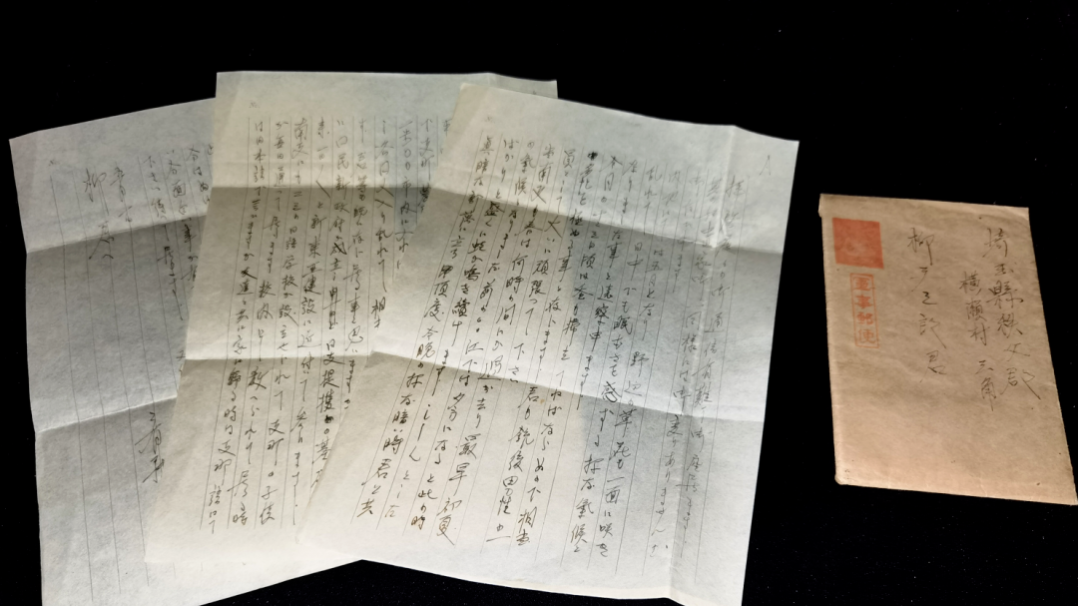
Among the most significant donations were materials provided by researcher Sha Dongxun from the Guangdong Academy of Social Sciences. These included original Japanese manuscript testimony from Unit 8604 veteran Inoue Mutsuo, recorded in July 1995, which details germ warfare atrocities committed by Japanese forces. Additionally, the collection features printed testimony from veteran Maruyama Shigeru who publicly exposed biological warfare crimes in 1993.
The Archives emphasized that these materials represent self-incriminating evidence from perpetrators who could no longer bear the weight of their conscience in their later years. The exhibition also showcases original photographs captured by military photographers serving in Japan’s 21st Army that invaded South China, alongside Japanese publications and invasion photo albums published by contemporary news media.
These Japanese-language historical materials provide incontrovertible proof of Japan’s invasive history and hold immense historical value for understanding the full scope of wartime atrocities committed during the occupation period.