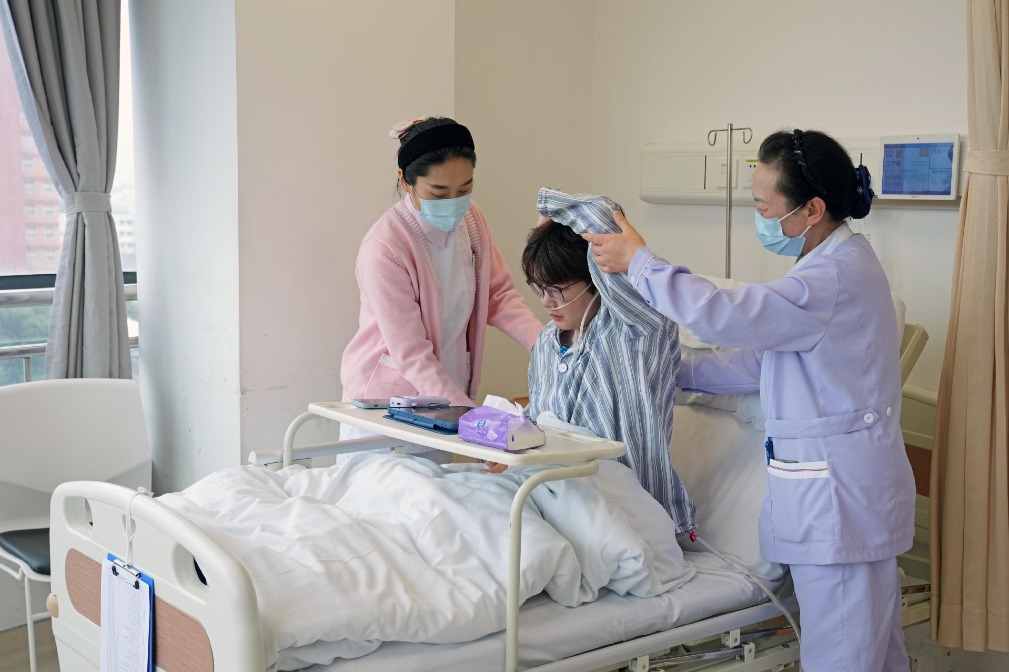
Hospitals across China are implementing innovative “companion-free” care services, representing a significant shift in patient care delivery models. This initiative directly addresses the substantial caregiving burdens traditionally borne by families of hospitalized patients.
The pilot program, currently operational in Shanghai and other urban centers, introduces professionally trained nursing assistants employed directly by medical institutions. These specialists provide comprehensive 24-hour non-medical care to patients with specific needs, including assistance with daily living activities, mobility support, and basic comfort measures.
This systematic approach marks a departure from conventional practices where families either provided care themselves or contracted private caregivers at personal expense. The hospital-managed model ensures standardized training, consistent quality control, and regulated fee structures that make professional care more accessible.
Medical administrators report that the program not only improves patient experience through continuous professional attention but also enables family members to maintain employment and normal daily routines. Early data suggests reduced patient anxiety and improved recovery metrics among participants receiving the specialized care services.
The initiative forms part of broader healthcare reforms aimed at addressing challenges posed by China’s aging demographic profile and increasing chronic disease prevalence. As the program expands, healthcare authorities are developing certification standards for nursing assistants and establishing guidelines for service implementation across different hospital tiers.