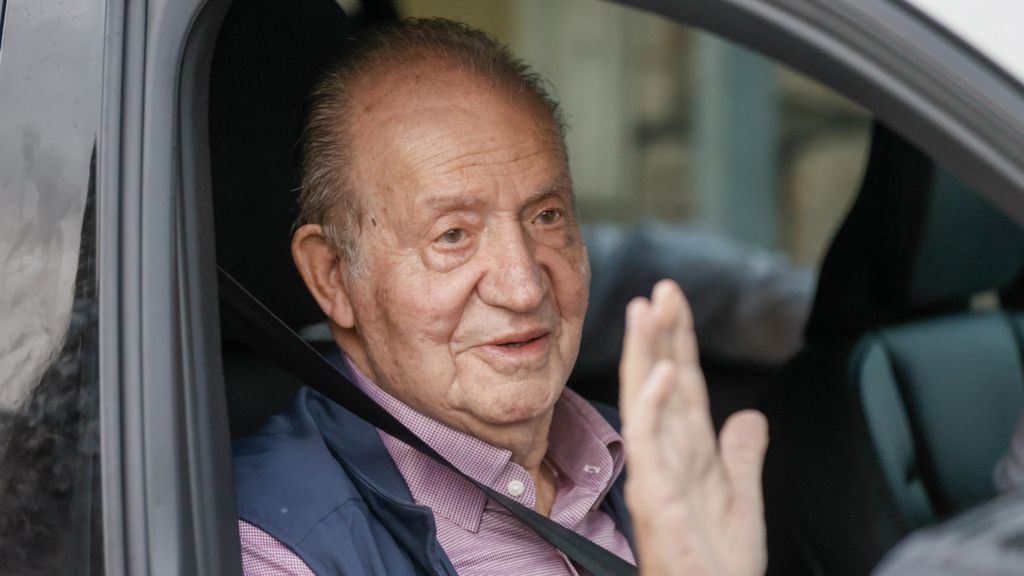
Spain’s political landscape has been reignited by a controversial appeal from conservative opposition leader Alberto Núñez Feijóo, who has publicly advocated for the return of former monarch Juan Carlos from his self-imposed exile in the United Arab Emirates. The leader of the People’s Party (PP) asserted that despite the former king’s acknowledged transgressions, his pivotal role in Spain’s democratic transition nearly fifty years ago warrants his dignified return to spend his final years in his homeland.
The 88-year-old former sovereign, who ascended to the throne following Francisco Franco’s death in 1975, played an instrumental role in guiding Spain toward parliamentary democracy. His decisive actions during the 1981 military coup attempt solidified his popularity for decades. However, his legacy was severely tarnished by subsequent scandals, including an extravagant elephant-hunting expedition during Spain’s economic crisis with his mistress Corinna zu Sayn-Wittgenstein-Sayn, followed by revelations of a $100 million payment from the late Saudi monarch and offshore accounts in Jersey.
These controversies culminated in his 2014 abdication and eventual departure for the UAE in 2020, a move endorsed by his son and current King Felipe. The recent declassification of approximately 150 documents related to the 1981 coup attempt has refocused attention on Juan Carlos’s historical contributions, prompting Feijóo’s bold intervention.
The socialist-led government has maintained distance from the controversy, with Justice Minister Félix Bolaños emphasizing that the decision rests solely with the former monarch and the Royal Household. Practical complications surrounding a potential return include unresolved marital tensions with Queen Sofía—who remained in Spain—along with logistical challenges regarding residence and financial arrangements.
Royal commentators like author Ana Romero suggest any homecoming would require Juan Carlos to demonstrate transparent conduct and resolve his financial affairs. The Royal Household has indicated that maintaining the institution’s reputation would necessitate the former king establishing his tax domicile in Spain, though they maintain the ultimate decision remains his alone.