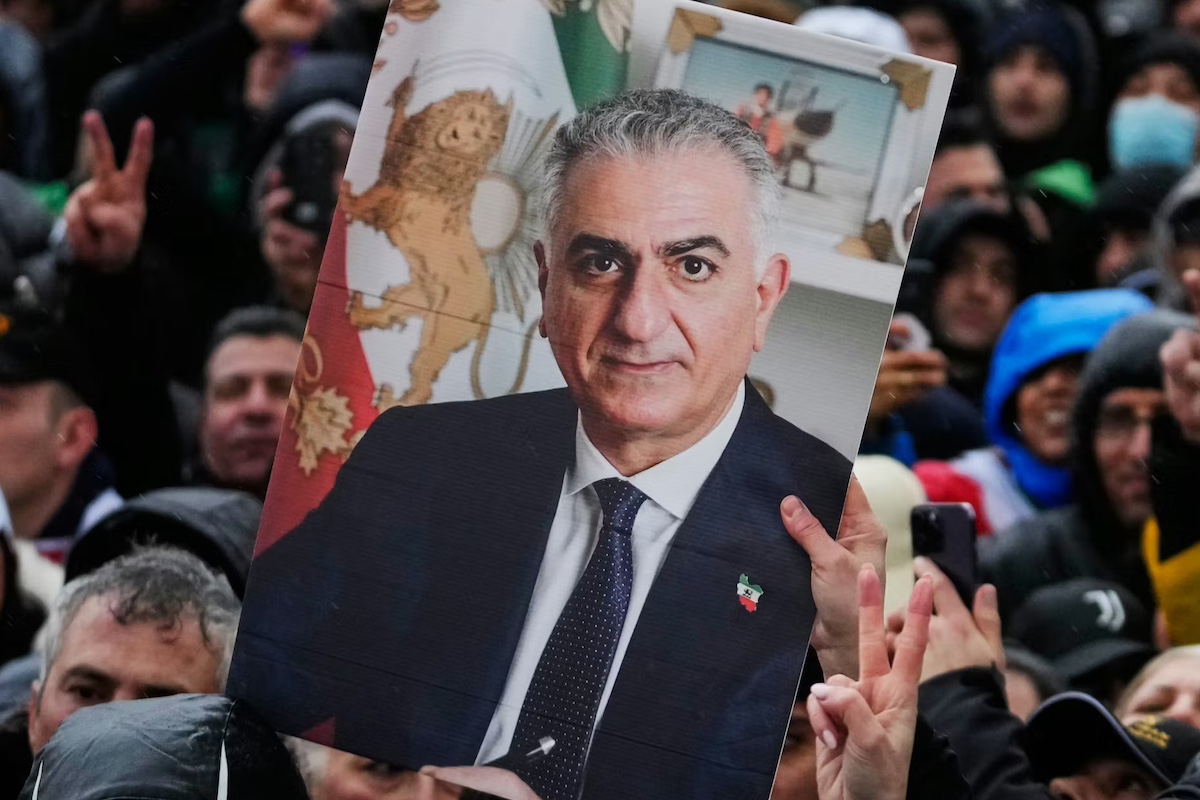
As U.S. and Iranian diplomats engage in critical negotiations in Geneva to de-escalate mounting military tensions, exiled opposition groups are positioning themselves for potential political opportunities. The Islamic Republic confronts its most severe governance crisis since the 1979 revolution, compounded by President Trump’s threats of military action should Iran refuse concessions on its nuclear program. Simultaneously, anti-regime protests persist despite government crackdowns that have reportedly claimed over 20,000 lives.
Amid this turbulence, discussions about Iran’s political future have intensified. The emergence of monarchist sentiments, particularly surrounding exiled Crown Prince Reza Pahlavi, has gained visibility through well-organized diaspora groups. Organizations like the U.S.-based National Union for Democracy in Iran (NUFDI) have launched detailed proposals including the ‘Iran Prosperity Project’ and an ‘Emergency Phase Booklet’ outlining transitional governance frameworks.
These documents propose granting Pahlavi substantial authority as ‘leader of the national uprising’ during a transition period, with veto power over transitional government institutions. However, the plans notably omit addressing federalist demands from ethnic minorities and maintain a centralized power structure pending a future referendum on constitutional monarchy versus democratic republic.
Critics highlight concerning parallels with the 1979 revolution, where democratic promises gave way to authoritarian control. Pahlavi’s avoidance of addressing his father’s autocratic legacy, combined with his supporters’ aggressive responses to critics—exemplified by the harassment of journalist Christiane Amanpour after her pointed interview—raise questions about the movement’s commitment to pluralism.
While some protests have featured pro-monarchy chants, other demonstrators explicitly reject both clerical rule and monarchy in favor of egalitarian democracy. The actual support for monarchical restoration within Iran remains uncertain due to polling challenges, though one 2024 survey suggested approximately 30% might consider Pahlavi as their first choice in free elections.
The path forward remains profoundly uncertain, with any potential regime change likely to involve violent turmoil. The monarchist movement’s behavior increasingly prompts scrutiny regarding its capacity to deliver the tolerant, liberal Iran it promises.