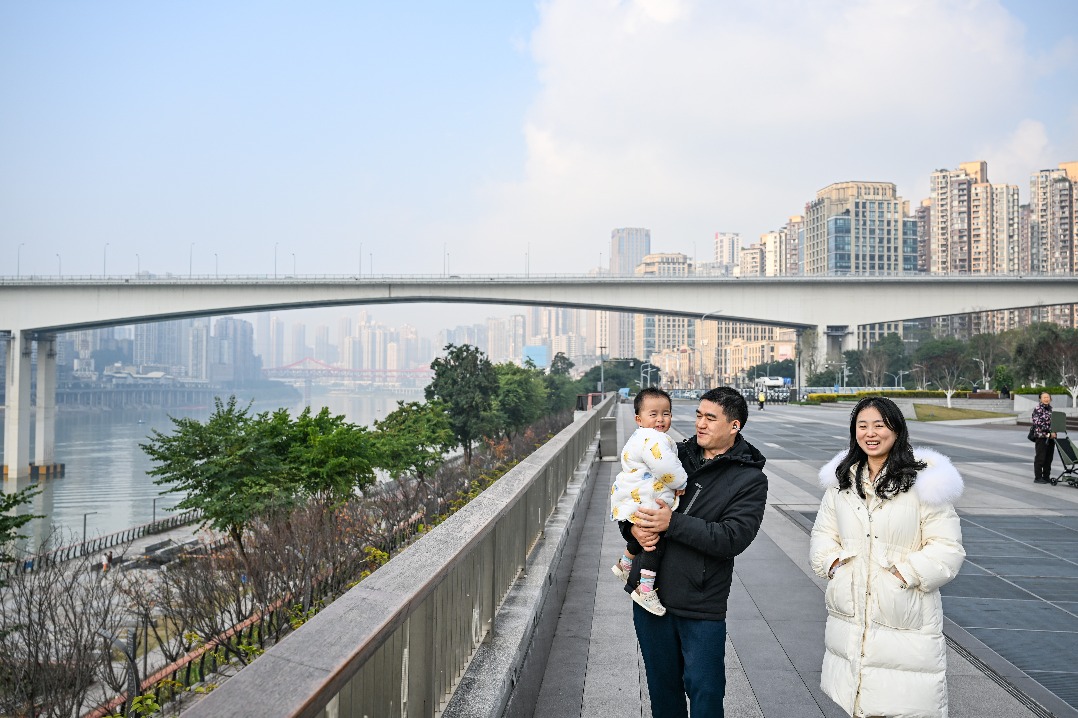
China has reached a groundbreaking environmental achievement with air quality parameters reaching their most favorable levels in recorded history during 2025. According to the Ministry of Ecology and Environment, the nation’s comprehensive pollution control measures have yielded unprecedented results in atmospheric conditions.
The remarkable improvement represents the culmination of China’s multi-year, systematic approach to environmental management that began with the implementation of its National Air Pollution Action Plan. The ministry’s data reveals significant reductions across all major pollutant indicators, with particulate matter (PM2.5 and PM10), sulfur dioxide (SO2), nitrogen dioxide (NO2), and ozone (O3) concentrations showing substantial decreases compared to previous years.
This environmental turnaround stems from China’s strategic integration of policy enforcement, technological innovation, and industrial restructuring. The government’s intensified focus on transitioning to renewable energy sources, enhancing emission standards for industrial facilities, and promoting electric transportation has created synergistic effects on air quality improvement.
Regional analyses demonstrate particularly notable progress in previously heavily polluted areas, including the Beijing-Tianjin-Hebei cluster, the Yangtze River Delta, and the Pearl River Delta regions. These improvements coincide with China’s accelerated push toward carbon neutrality commitments and green development initiatives outlined in its latest Five-Year Plan.
Environmental experts worldwide are recognizing China’s achievement as a significant case study in large-scale environmental recovery, demonstrating that concerted policy measures can produce tangible atmospheric improvements within relatively short timeframes despite industrial growth.