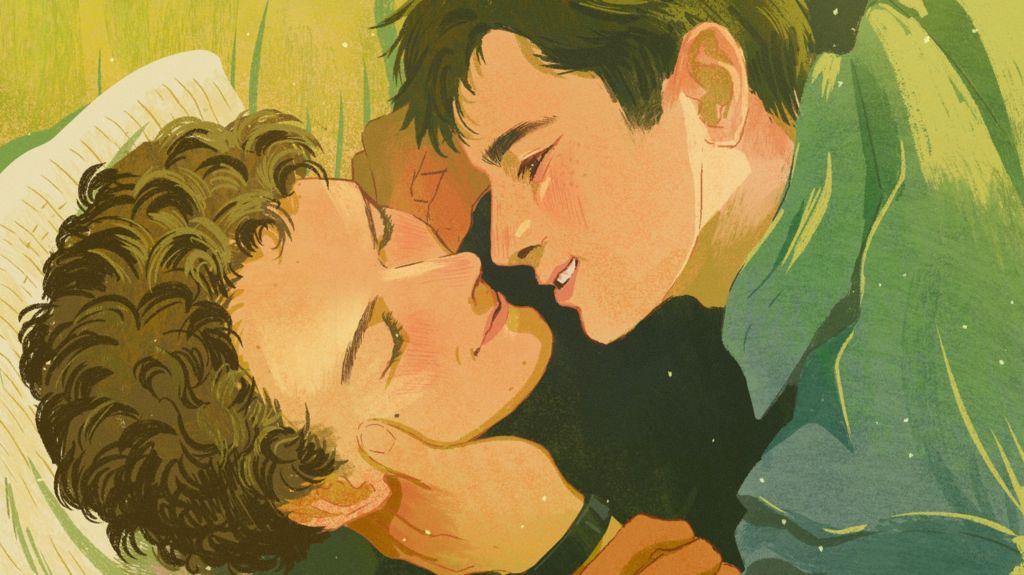
A cultural phenomenon is sweeping across international entertainment landscapes as the groundbreaking series ‘Heated Rivalry’ sparks an unprecedented creative movement among Boys’ Love enthusiasts worldwide. The show’s portrayal of the decade-spanning romance between elite hockey stars Shane Hollander and Ilya Rozanov has ignited a global wave of fan-generated content that bridges Western and Eastern storytelling traditions.
The series’ profound impact emerges through its organic resonance with established BL conventions, particularly its emphasis on emotional depth and character vulnerability. Asian fans have recognized striking parallels between the show’s narrative architecture and the danmei literary tradition—Chinese male-male romance stories that have long catered to female fantasy. This cross-cultural recognition has inspired illustrators from the Philippines to Japan to reimagine pivotal moments from the series through manga and anime aesthetics, creating a vibrant tapestry of intercultural artistic dialogue.
Dr. Aiqing Wang, Senior Lecturer in Chinese at the University of Liverpool, contextualizes this phenomenon within broader sociological frameworks. ‘BL provides women from conservative societies a sanctuary for sexual exploration and emotional agency,’ she explains. ‘The genre allows female audiences to engage with male vulnerability and challenge traditional gender norms through a safe, controlled medium.’ This psychological safety stems from BL’s unique ability to bypass heteronormative power dynamics, focusing instead on pure emotional connectivity between characters.
The commercial implications are substantial. Thailand’s BL industry projects revenues exceeding 4.9 billion baht (£114m) by 2025, while Chinese streaming platforms have invested millions in danmei adaptations. Despite varying levels of LGBTQ+ acceptance across Asia, dedicated fan communities in Japan, South Korea, and Vietnam have embraced ‘Heated Rivalry’ through unauthorized translations, LED billboard campaigns, and birthday celebrations for the show’s stars.
Dr. Sam Chan, lecturer in digital cultures at the University of Sydney, notes the series’ significance for queer representation: ‘When marginalized communities cannot find real-life role models, they turn to media narratives for validation and empowerment.’ The show’s authentic portrayal of queer intimacy has filled a critical void left by declining LGBTQ+ representation in mainstream Western media.
As audiences await the second season in 2027, the cultural exchange continues with fans exploring recommended BL content to sustain the emotional resonance first ignited by ‘Heated Rivalry.’ This transnational movement demonstrates how queer storytelling can transcend geographical boundaries and cultural differences, creating unified spaces of hope and recognition for diverse audiences worldwide.