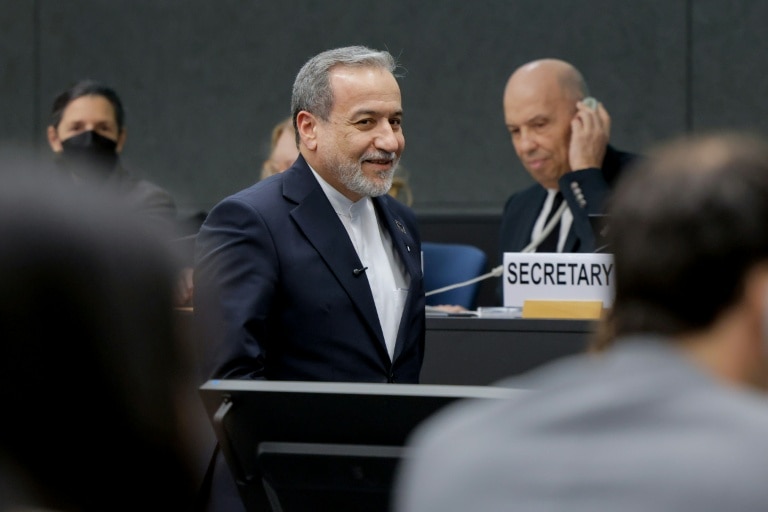
Diplomatic efforts resume in Geneva as the United States and Iran prepare for a critical round of indirect negotiations, with ballistic missile capabilities emerging as a central point of contention. The talks, mediated by Oman, follow a significant military buildup by the U.S. in the region and repeated threats from President Donald Trump regarding potential military action.
President Trump utilized his recent State of the Union address to accuse Iran of pursuing “sinister nuclear ambitions” and developing missile technology capable of threatening European allies and U.S. overseas installations. These assertions were immediately dismissed by the Iranian foreign ministry as “big lies,” with Tehran maintaining that its nuclear program serves purely peaceful purposes.
The technical specifications of Iran’s missile program remain disputed. While Iranian officials publicly acknowledge a maximum range of 2,000 kilometers (1,200 miles), the U.S. Congressional Research Service estimates capabilities extending to approximately 3,000 kilometers—still insufficient to reach the continental United States but posing significant regional threats.
Secretary of State Marco Rubio emphasized that Iran’s refusal to negotiate its ballistic missile program represents “a big, big problem,” though he reiterated the administration’s preference for diplomatic solutions. Conversely, Iranian leadership has explicitly limited negotiations to nuclear matters and the lifting of crippling economic sanctions, rejecting broader discussions about its regional activities or missile development.
Iranian President Masoud Pezeshkian expressed cautious optimism, stating his “favourable outlook for the negotiations” that might finally resolve the prolonged “neither war nor peace” situation. Foreign Minister Abbas Araghchi, leading Tehran’s delegation, characterized the talks as “a historic opportunity” with an agreement “within reach.”
The U.S. delegation will be represented by envoy Steve Witkoff and senior advisor Jared Kushner. These discussions follow previous rounds in Oman and Geneva that were disrupted by military actions, including Israel’s surprise strikes on Iranian facilities last June that triggered a 12-day conflict.
Regional security analysts express growing concern about escalating tensions. Emile Hokayem of the International Institute for Strategic Studies noted that “the region seems to expect a war at this point,” despite diplomatic efforts by Middle Eastern states to prevent military escalation. Among Tehran residents, opinions remain divided regarding the potential for renewed conflict, with some expressing grim acceptance of whatever outcome might clarify the nation’s uncertain future.