A groundbreaking BBC investigation has uncovered that Nepal’s former police chief authorized lethal force against thousands of unarmed young demonstrators during September’s Gen Z protests, resulting in 19 fatalities and triggering governmental collapse. The investigation reveals specific operational details showing how security forces deployed live ammunition against predominantly student protesters wearing school uniforms.
The events of September 8th in Kathmandu represented a critical turning point in Nepal’s democratic journey. What began as organized anti-corruption demonstrations escalated into one of the most violent confrontations in Nepal’s recent history. The BBC’s forensic analysis of over 4,000 videos and photographs, combined with leaked internal police documents and insider testimonies, provides the most comprehensive account of the tragedy.
Central to the investigation is the identification of former Police Inspector General Chandra Kuber Khapung (call sign ‘Peter 1’) as the officer who issued the ‘deploy necessary force’ order just ten minutes after a curfew was imposed. While Nepal Police claims this authorization came through proper channels from a government security committee, the committee’s chairman has denied approving live ammunition.
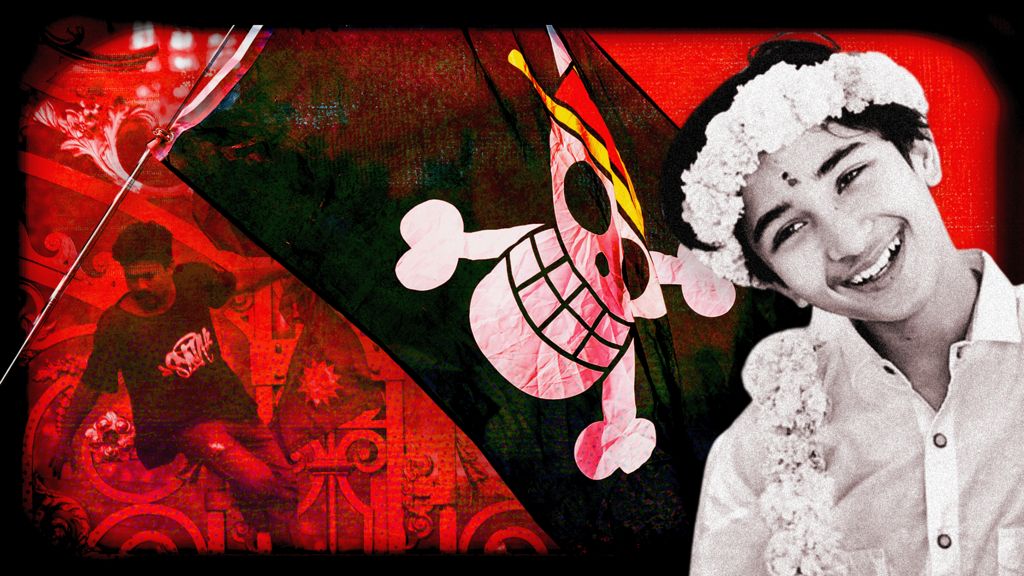
The human tragedy is embodied in 17-year-old Shreeyam Chaulagain, the youngest victim, who was shot in the back of the head while walking away from the protest wearing his school uniform. His case exemplifies the disproportionate response against demonstrators who showed no evidence of armed aggression according to visual evidence analyzed by the BBC.
The protests emerged from widespread frustration among Nepal’s youth generation (aged 14-29) regarding systemic corruption and unemployment affecting approximately 20% of young Nepalis. Organized primarily through Discord after the government banned mainstream social media platforms, the demonstrations unexpectedly drew 30,000 participants—ten times police expectations.
The security apparatus demonstrated critical failures in intelligence gathering, crowd assessment, and command coordination. Officers reported inadequate communication infrastructure, with the command center struggling to establish stable internet connections to monitor events unfolding at parliament.
The subsequent violence on September 9th, which claimed 77 additional lives and resulted in the prime minister’s resignation, represented a direct response to the previous day’s killings. Despite widespread allegations of political manipulation behind the destruction, the BBC found no substantiating evidence.
Five months later, as Nepal approaches general elections on March 5th, no individual or institution has accepted responsibility for the deaths. A public inquiry continues to examine the events, while families of victims await justice in a nation still grappling with the trauma of its bloodiest day since transitioning to republic status in 2008.