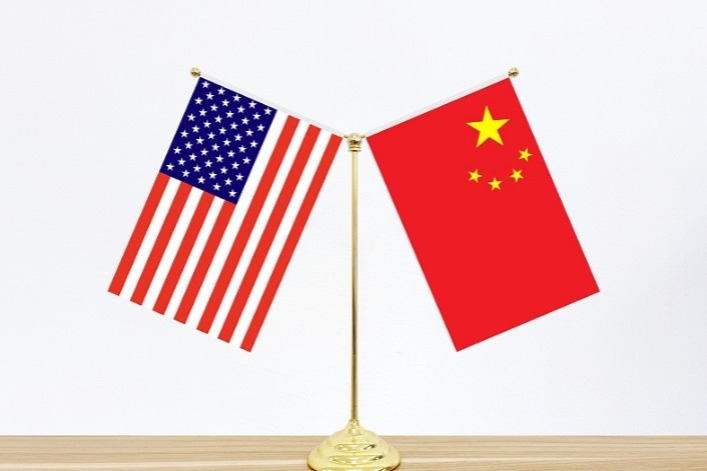
Diplomatic channels between Beijing and Washington are reactivating as the world’s two largest economies prepare for their sixth round of high-stakes trade negotiations. This forthcoming dialogue occurs against a backdrop of significant legal and policy shifts that have fundamentally altered the bilateral trade environment.
The catalyst for renewed discussions emerged from a landmark US Supreme Court decision that invalidated sweeping tariffs previously imposed under the International Emergency Economic Powers Act. This judicial ruling effectively nullified both the 10% ‘fentanyl tariff’ and the 34% ‘reciprocal tariff’ targeting Chinese imports.
In response to this legal setback, the US administration swiftly pivoted to Section 122 of the Trade Act of 1974, implementing a blanket 10% import surcharge affecting all trading partners. This temporary measure, effective immediately, carries a predetermined 150-day expiration timeline. White House officials have concurrently signaled their intention to pursue more permanent tariff mechanisms through Section 301 and Section 232 investigations.
China’s Ministry of Commerce has articulated a firm position, urging the United States to dismantle existing unilateral tariffs and abstain from implementing new protectionist measures. Beijing remains prepared to engage in candid consultations while maintaining vigilant oversight of US policy developments. A ministry spokesperson emphasized that China will conduct comprehensive assessments and implement countermeasures at strategically appropriate junctures.
Analysts highlight that these negotiations will address critical expiring agreements established during previous rounds, including temporary tariff arrangements and rare earth export policies. Researcher Bai Ming of the Chinese Academy of International Trade and Economic Cooperation identifies technology restrictions and resource export controls as particularly contentious negotiation points.
Economic experts including Luo Zhiheng of Yuekai Securities anticipate protracted, complex negotiations characterized by cyclical patterns. The ultimate bargaining power, analysts suggest, will derive from each nation’s economic resilience and technological capabilities rather than short-term tactical maneuvers.
Despite the turbulent policy environment, China’s export sector demonstrates strengthened resilience through diversified markets and optimized trade structures. Chief economist Ming Ming of CITIC Securities projects relatively contained impact on China’s 2026 export performance, reflecting the nation’s enhanced capacity to absorb external trade shocks.