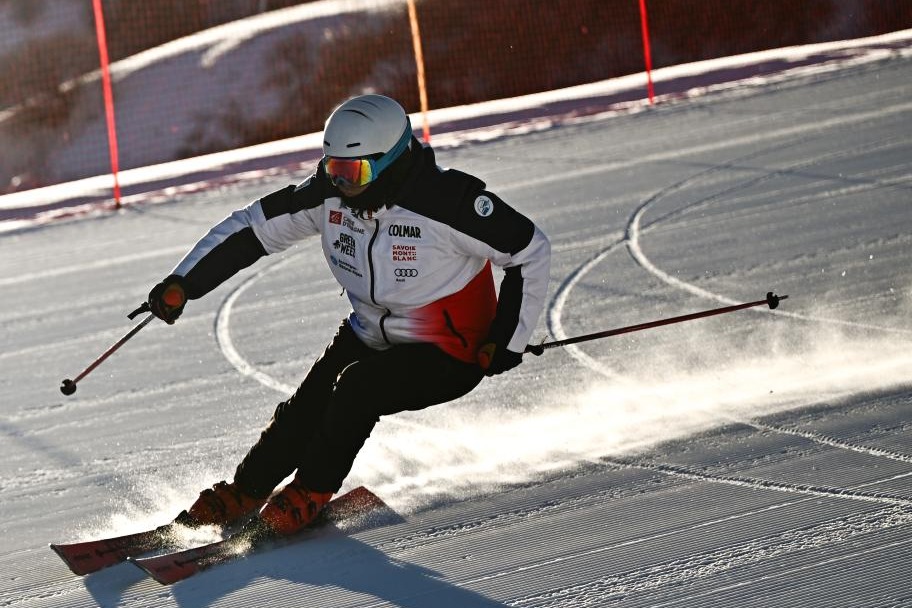
In the snow-covered landscapes of Xinjiang’s Ili Kazak Autonomous Prefecture, retired cross-country skier Yeersen Shenwohen is shaping the future of winter sports while transforming the regional economy. The 36-year-old Kazakh athlete, who missed his Olympic opportunity due to injury in 2022, has channeled his unrealized competitive ambitions into coaching young talent and developing sustainable tourism initiatives.
Following his retirement from professional competition, Shenwohen returned to his hometown in Narat’s alpine valley grassland and established a youth ski development program. His trainees, including 16-year-old Sayahat Elyasbek who had never skied before joining the team, now aspire to national and international competitive success. “If the children we train can win national or even world championships, that will also be my honor,” Shenwohen stated.
The athlete’s impact extends beyond sports development. In December 2022, he founded a herders’ cooperative that has grown from 10 to 300 members, utilizing over 400 horses during peak tourism seasons. This initiative has fundamentally altered local economic patterns, eliminating the traditional ‘winter slack season’ that previously limited income opportunities for herders.
Yeryen Mijit, a cooperative member, reported earning up to 10,000 yuan monthly during summer and over 6,000 yuan in winter—a significant improvement from relying solely on livestock sales. The economic transformation is further evidenced by performance metrics from local ski resorts. Wan Junhui, manager of a Narat ski facility, reported 12,100 visitors in the first three weeks of the winter season—a 106.3% year-on-year increase—with revenue reaching 2.2 million yuan, representing 225% growth compared to the same period last year.
Shenwohen’s professional expertise also contributes to resort safety operations through his training of emergency rescue teams. His multifaceted approach to regional development aligns with Xinjiang’s emergence as a premier winter tourism destination, with 72 skiing venues and five national-level ski tourism resorts established across the region by the end of 2024, according to official reports.
Now a father, Shenwohen maintains a balanced perspective on athletic achievement, noting that while he would support his son’s interest in sports, he recognizes the challenges of professional competition. His story represents a compelling model of athletic legacy transforming into community development, demonstrating how personal dreams can evolve into broader regional advancement.