A heated parliamentary confrontation has unfolded regarding the Australian government’s controversial plan to divest from dozens of military installations across the nation. The conflict emerged during a budget estimates hearing where state and federal officials clashed over the disposal strategy for historically significant defense sites.
The controversy stems from Deputy Prime Minister Richard Marles’ announcement earlier this year revealing plans to disinvest from 67 military facilities, predominantly located in southeastern Australia. This strategic repositioning initiative, following an independent review of defense assets, aims to redirect infrastructure investments toward northern Australia and AUKUS-related priorities. The extensive sell-off program is projected to generate approximately $1.8 billion in revenue.
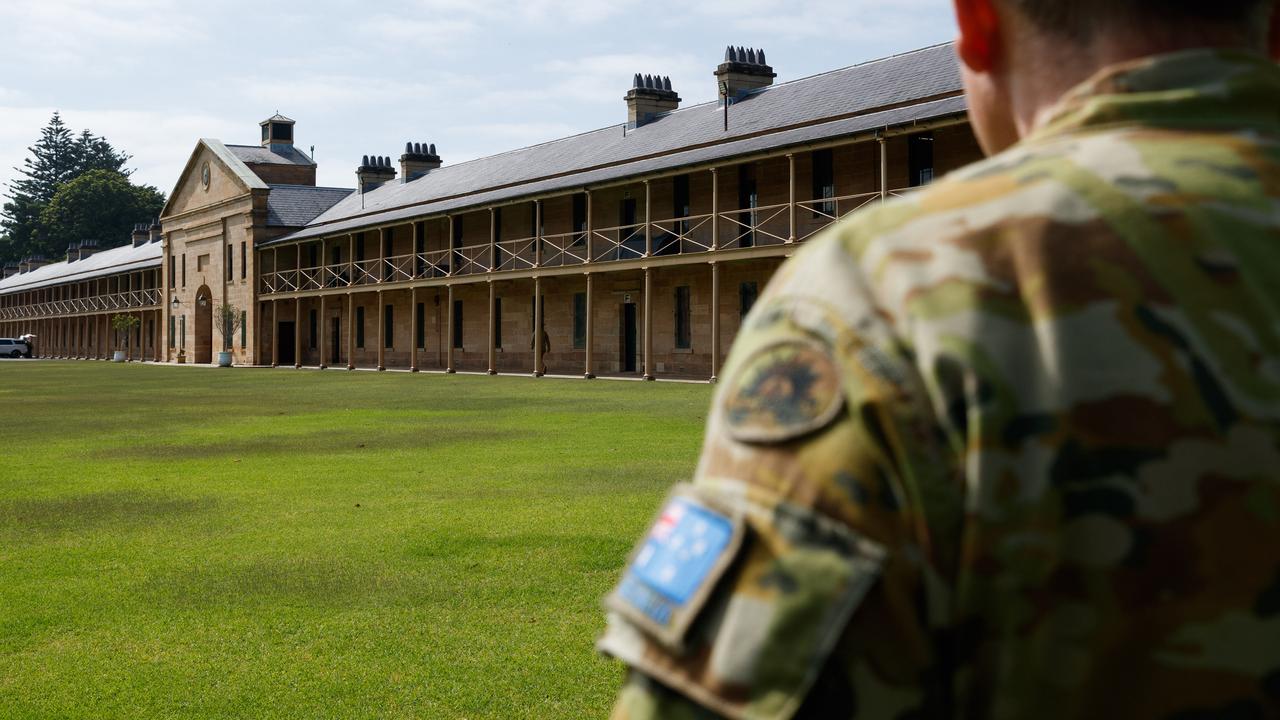
At the heart of the dispute lies Victoria Barracks in Sydney’s Paddington district, a historic military site that has become a flashpoint in the nationwide divestment scheme. NSW Veterans Affairs Minister David Harris revealed that state authorities received no prior consultation regarding the disposal plans, sparking significant concern among local officials and veteran communities.
The parliamentary session turned confrontational when Nationals MLC Wes Fang, a former Australian Defence Force officer and pilot, aggressively pressed Minister Harris to publicly denounce the sell-off. The exchange grew increasingly tense, with Fang shouting across the committee room and declaring that “issuing a statement is not good enough” while asserting that citizens outside government were prepared to “take up this fight.”
Minister Harris responded by accusing his counterparts of “faux outrage” and bullying tactics, stating firmly, “I don’t do well for bullies who yell at me. Well, that’s the way you do business. That’s not the way I do business.” The situation escalated to the point where committee chair Jeremy Buckingham of the Legalise Cannabis Party intervened, urging participants to “desist” from interrupting and hectoring each other.
Opposition to the divestment program extends beyond political chambers, with concerned veterans and heritage advocates circulating petitions to protect historically significant sites. Critics argue that urban military command areas like Victoria Barracks play crucial roles in recruitment and operational effectiveness, warning that their disposal could have detrimental effects on defense capabilities.
Departmental officials defending the sell-off maintain that maintaining under-utilized or heritage-listed sites imposes substantial financial burdens. They acknowledge that while some property disposals will be “relatively straightforward,” others present more complex challenges. The government has already completed three property sales with six additional transactions currently in progress, including notable facilities in Brisbane, Melbourne, and NSW locations such as Spectacle Island and HMAS Penguin.