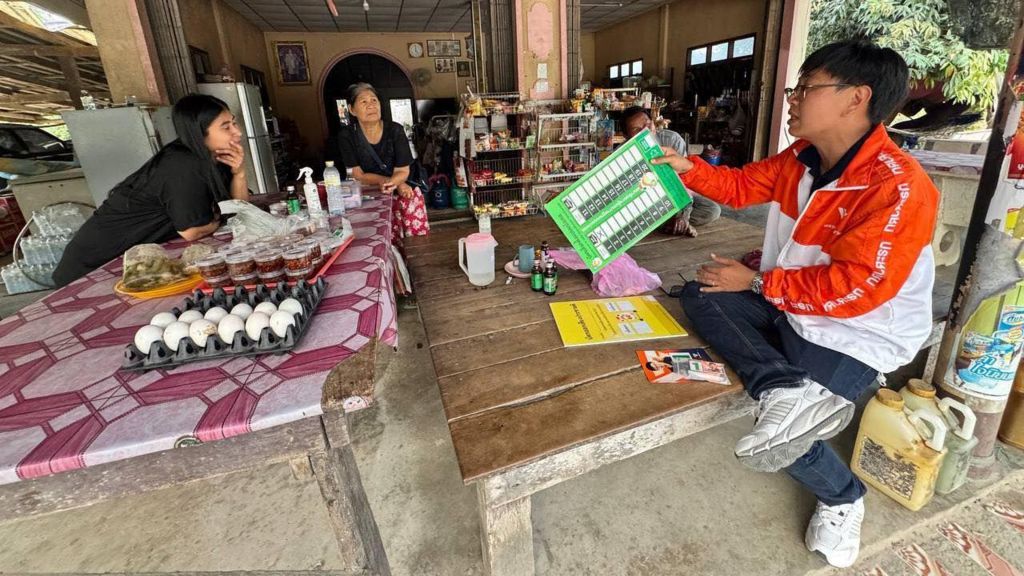
The 2026 Thai general election has revealed a dramatic reversal of fortune for the progressive political movement that achieved unprecedented success in 2023. Chutiphong Pipoppinyo, once part of the ‘orange wave’ that propelled the Move Forward party to electoral prominence, lost his parliamentary seat in Rayong province to established political dynasties, highlighting the enduring power of traditional patronage systems in Thailand’s rural heartlands.
Rayong, a key component of Thailand’s Eastern Economic Corridor industrial zone, represents the nation’s political dichotomy. While urban areas responded enthusiastically to reformist agendas, rural districts remained firmly under the control of longstanding power structures. The Pitutecha family, which has dominated Rayong politics for decades, exemplifies the ‘Baan Yai’ (big house) system that characterizes provincial governance.
This political clan maintains influence through extensive networks of local canvassers, business connections, and financial resources that newcomer politicians cannot match. Piya ‘Chang’ Pitutecha, the family patriarch, holds the powerful position of Provincial Administration Organisation head, controlling most government spending in the region.
Chutiphong’s experience illustrates the challenges facing reform-minded candidates. Despite his commitment to constituency service and problem-solving, he encountered resistance from established networks that expected financial contributions he couldn’t provide. ‘When I tried to address community concerns directly,’ he explained, ‘villagers faced social pressure and criticism for engaging with an outsider.’
The Pitutecha family adapted their strategy after their 2023 setback, fielding younger, better-educated family members under different party banners. In District 4, 34-year-old Chatchai Pitutecha ran under the Bhumjaithai party, known for its financial resources and success in recruiting traditional power brokers.
Election results show a stark urban-rural divide. The progressive People’s Party (formerly Move Forward) dominated Bangkok and Chiang Mai, winning every seat in the capital. However, they suffered significant losses in provincial constituencies, where their share of seats dropped by over 20%. The conservative Bhumjaithai party dramatically increased its representation from 71 to an estimated 193 seats in the 500-member parliament.
Political analyst Olarn Thinbangtieo from Burapha University notes that ‘Baan Yai politics has recovered in eastern Thailand,’ attributing this resilience to centralized governance systems that force villagers to rely on patronage networks for resource access. The progressive movement’s limited social capital in rural areas, combined with voter cynicism following the 2023 constitutional blocks against government formation, contributed to their provincial setbacks.
The election outcome demonstrates Thailand’s continuing political polarization, with progressive ideas resonating strongly in urban centers while traditional power structures maintain their grip on rural constituencies through established patronage systems.