In a significant escalation of media restrictions, Israeli Defense Minister Israel Katz has formally outlawed five Palestinian media organizations operating in occupied East Jerusalem, designating them as ‘terrorist organizations’. The banned outlets—Quds Plus, Miraj, Al-Maydan, Al Quds al-Asima, and Asima Agency—were targeted under the nation’s anti-terrorism legislation, a move that grants authorities sweeping powers to shutter operations, block digital content, and prohibit all journalistic activities.
The government’s decision, announced via Israeli Army Radio on Sunday, was reportedly instigated by intelligence from the Shin Bet internal security agency. The agency alleged that Hamas was utilizing these media platforms as fronts to incite tensions throughout Jerusalem during the holy month of Ramadan. No specific evidence substantiating these claims was publicly disclosed by Israeli officials.
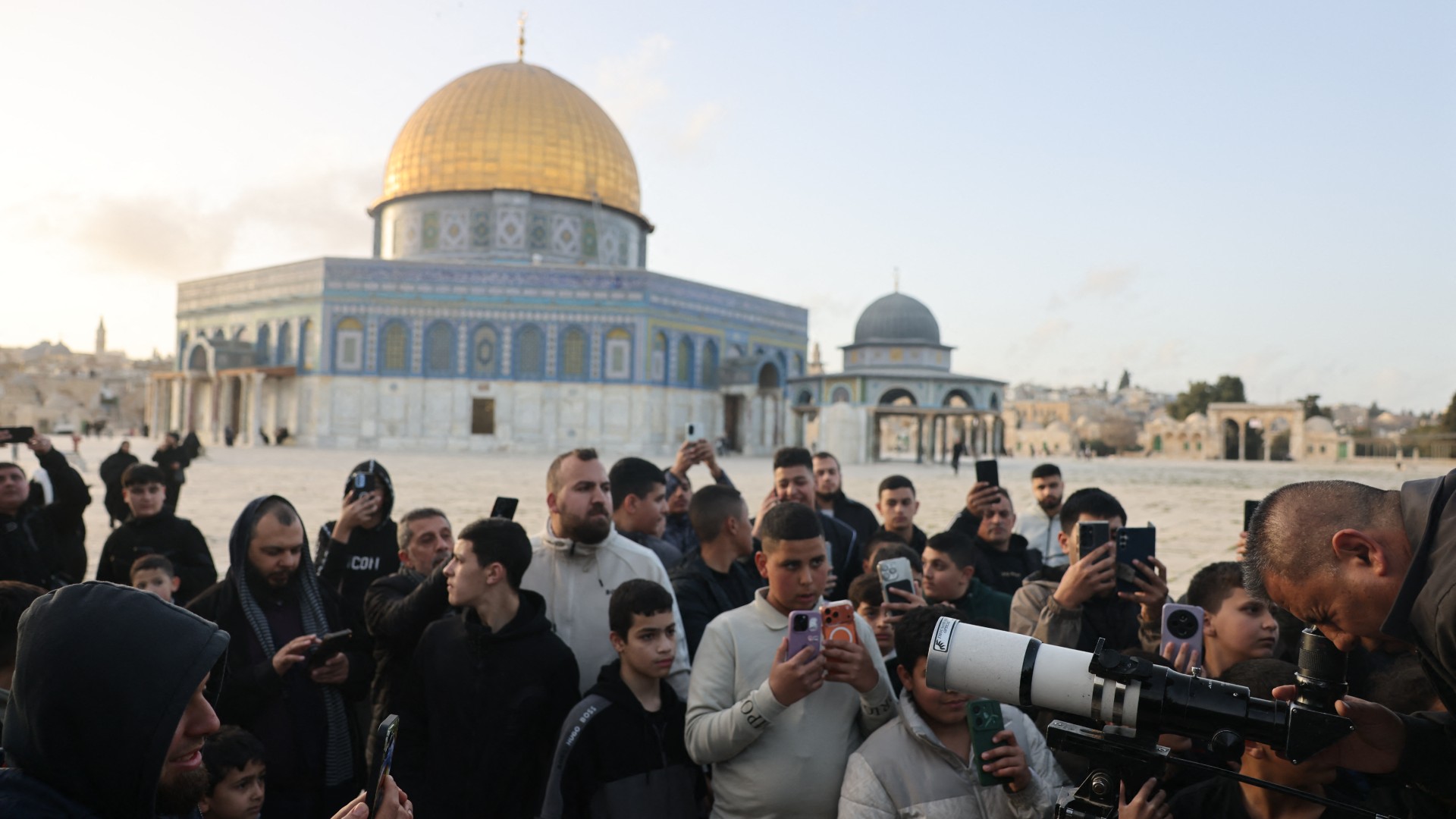
Commentators and regional experts have interpreted the ban as a deliberate strategy to suppress reporting on Israeli activities at the Al-Aqsa Mosque, one of Islam’s most sacred sites. Abdullah Marouf, a professor specializing in Jerusalem studies, stated on social media platform X that the move signals an impending ‘decisive’ Israeli action in the city, intended to preemptively silence local media voices.
In response to the order, Asima Agency announced a suspension of all its journalistic work. The outlet clarified that this was not an abandonment of its mission but a necessary measure to shield its reporters from ‘the oppression and aggression of the occupation,’ asserting its status as an independent, self-funded entity.
The crackdown precedes the recent arrest of Palestinian journalist Nisreen Salem Al-Abd while she was reporting in Jerusalem. Although later released, she was placed under a 10-day house arrest, banned from using her phone or social media, and prohibited from entering Al-Aqsa Mosque for 180 days.
The Palestinian Media Forum condemned Israel’s media ban as a ‘blatant violation of press freedom’ and an attempt to distort the Palestinian narrative internationally. This incident occurs against a backdrop of heightened restrictions; last week, Israeli authorities barred thousands of Palestinian worshippers with valid permits from attending the first Friday prayer of Ramadan at Al-Aqsa.
The mosque remains a deeply symbolic site within the Israeli-Palestinian conflict, representing both the struggle for Palestinian identity and the aspirations of ultra-nationalist Israelis. Since Israel’s occupation of East Jerusalem in 1967, Palestinian access has been increasingly curtailed while Jewish presence is expanded—a breach of longstanding international agreements that preserve its Islamic character. Recent years have seen frequent Israeli police raids and the arrest of Islamic Waqf officials, further inflaming religious and political tensions.