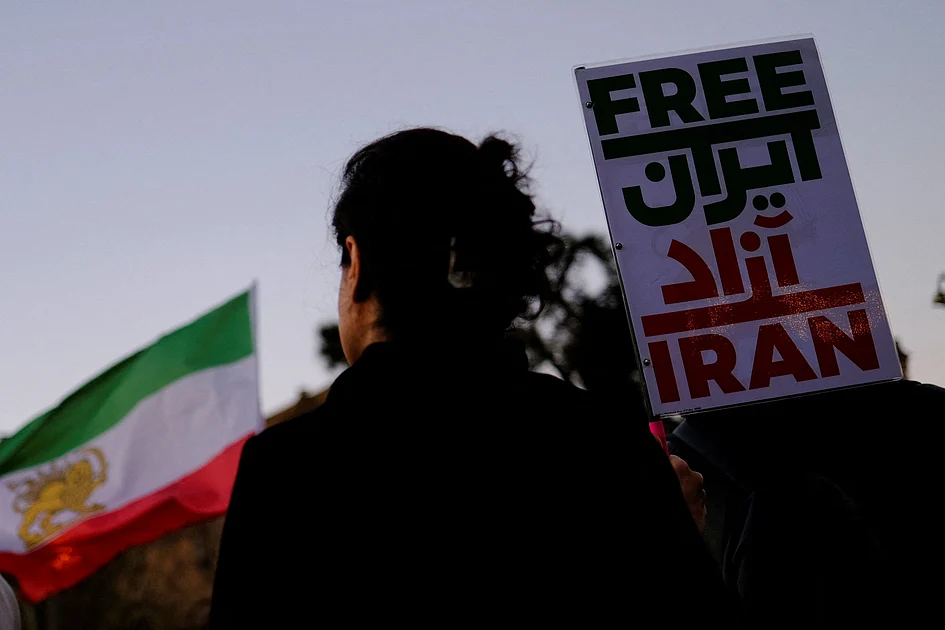
An Iranian revolutionary court has delivered its first capital punishment verdict in connection with the widespread civil unrest that shook the nation in January, according to information received by Reuters. The sentence was imposed on Mohammad Abbasi, charged with ‘enmity against god’ (moharebeh), a capital offense under Iran’s Islamic legal code.
The judicial decision emerges against the backdrop of what has been described as the most severe domestic turmoil since Iran’s 1979 Islamic Revolution. International observers estimate that thousands of protesters lost their lives during government crackdowns on the demonstrations that swept across multiple cities.
The development occurs despite previous warnings from former U.S. President Donald Trump, who during the unrest period cautioned Tehran against carrying out executions, suggesting potential military response should such sentences be implemented. Notably, Iran’s judiciary has not formally announced Abbasi’s sentence through official channels.
In a related development, Iranian authorities recently extended clemency to over 2,000 convicts, but explicitly excluded individuals detained in connection with protest-related cases from this amnesty initiative. This selective approach to pardons underscores the government’s firm stance against those participating in anti-establishment demonstrations.
The January protests represented a significant challenge to Iran’s leadership, with citizens taking to the streets to voice grievances over various political and social issues. The judicial response, including this landmark death sentence, signals the establishment’s determination to suppress dissent through stringent legal measures.