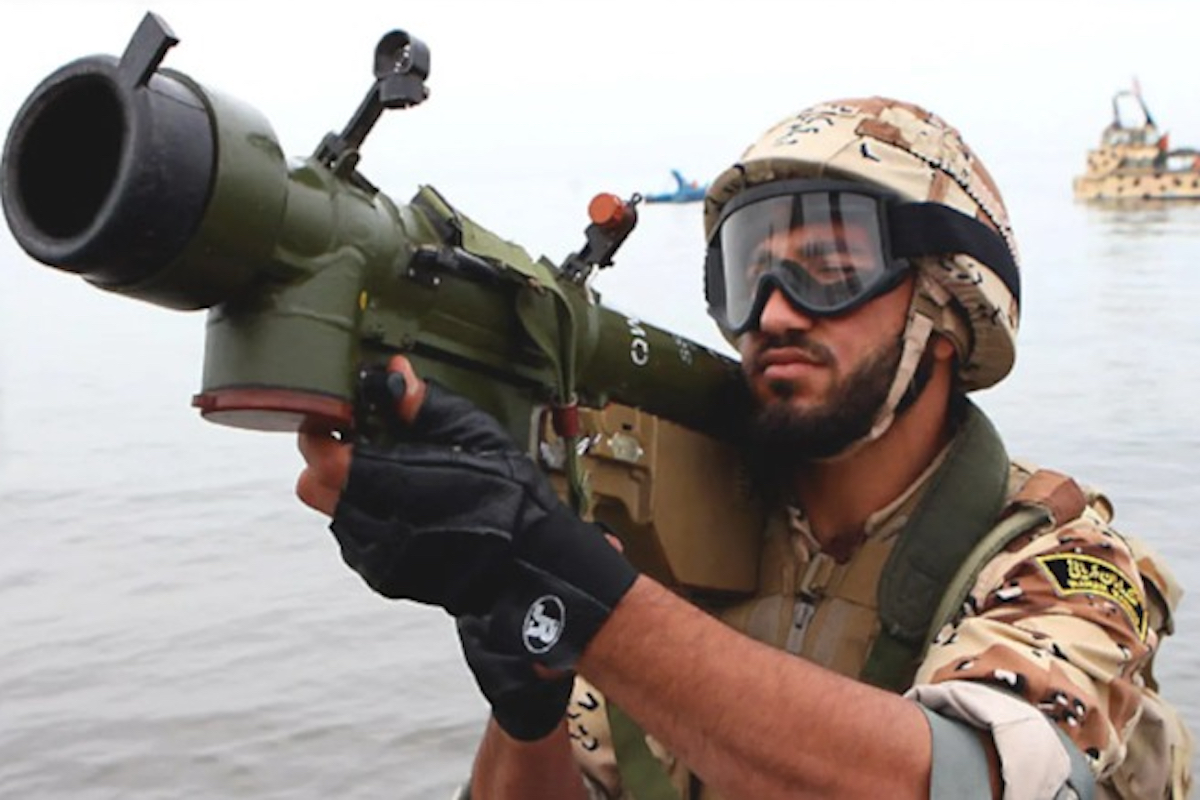
In a strategic pivot following the degradation of its integrated air defense network during the 2025 conflict with Israel, Iran has secured a significant arms agreement with Russia worth approximately $591 million. The deal, finalized in Moscow in December 2025, involves the acquisition of 500 launch units and 2,500 Verba man-portable air defense systems (MANPADS), with deliveries scheduled between 2027 and 2029.
The Verba system represents a fundamental shift in Iran’s defensive doctrine toward distributed, mobile operations. These infrared-guided weapons can target cruise missiles, drones, and low-flying aircraft up to 6 kilometers away with a 4.5-kilometer altitude ceiling. Their man-portable nature allows for rapid deployment without reliance on vulnerable fixed radar installations, incorporating night-vision capabilities and a three-band electro-optical seeker designed to counter flare-based countermeasures.
This procurement signals Tehran’s recognition that traditional high-value air defense sites proved inadequate against modern aerial threats. During the recent conflict, Israeli strikes effectively neutralized Iran’s Russian-made S-300 batteries, demonstrating the vulnerability of static defense systems. The Verba acquisition enables Iran to implement a more survivable air denial strategy using highly mobile teams operating across dispersed locations.
While insufficient against advanced stealth aircraft like the F-35 or B-2, these systems pose significant risks to helicopter operations and low-altitude missions, potentially complicating special operations deployments. The psychological impact of MANPADS cannot be underestimated—their ability to engage targets without warning could provide Iran with tactical advantages and potentially capture opportunities that yield strategic bargaining chips.
The agreement, negotiated through Rosoboronexport with involvement from previously sanctioned Iranian officials, reflects deepening military cooperation between Moscow and Tehran. This partnership extends beyond arms transfers, with Iran having supplied drones, ballistic missiles, and artillery ammunition to support Russia’s operations in Ukraine.
Geopolitically, Iran represents a crucial node in Russia’s International North-South Transport Corridor (INSTC), serving as a sanctions evasion route that bypasses Western-controlled maritime chokepoints. Moscow has strategic interest in maintaining Tehran’s current regime, as regime change could jeopardize this vital economic corridor and further isolate Russia economically.
Iran’s revised defense approach fundamentally aims at “winning by not losing”—prioritizing regime survival through a more resilient, distributed defense architecture that complicates potential aerial campaigns against its territory. This strategy acknowledges that while airpower alone cannot secure victory, it can significantly raise the costs and risks for any military action against Iran.
The long-term implications extend beyond bilateral relations, potentially affecting regional stability and global power dynamics. Should Iran’s regime survive through these adaptations, it would demonstrate the limitations of aerial bombardment against determined authoritarian states with significant coercive capabilities. Conversely, regime collapse might not yield favorable outcomes for Western interests, possibly resulting in even more hardline leadership under the Iranian Revolutionary Guards Corps.
This development underscores the evolving nature of modern conflict, where cost-effective, asymmetric defense systems can challenge technological superiority, potentially prolonging conflicts and draining resources from major powers seeking to maintain global military dominance.