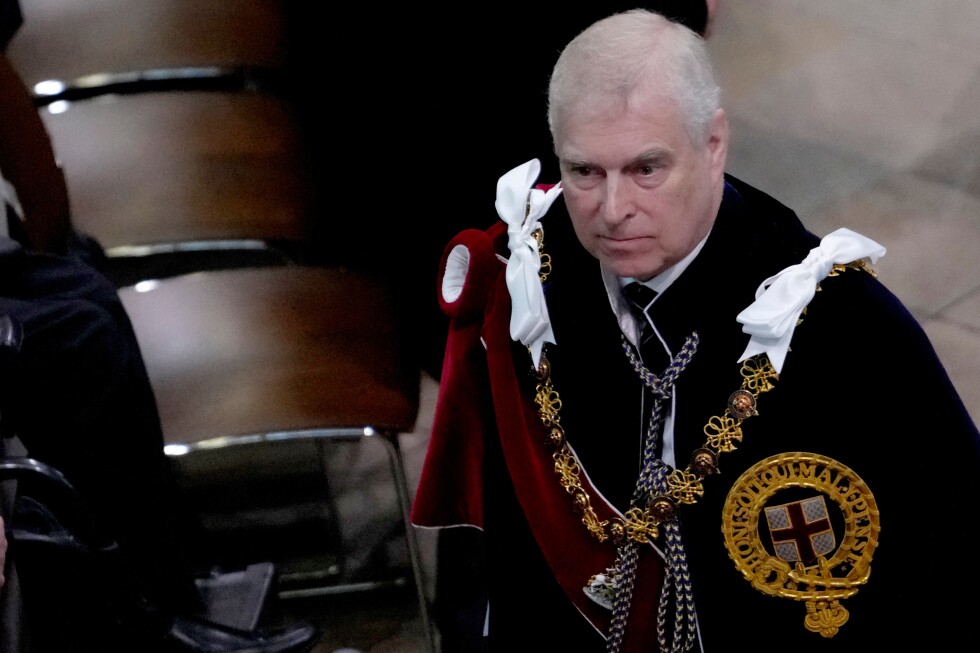
The British government has initiated formal considerations to remove Andrew Mountbatten-Windsor from the royal line of succession, potentially marking the first such constitutional alteration in nine decades. This development follows the arrest of King Charles III’s younger brother on suspicion of misconduct in public office, though he was subsequently released without charge after eleven hours in custody.
The controversial royal, who was stripped of his princely title and military affiliations in October due to his associations with convicted sex offender Jeffrey Epstein, currently maintains the eighth position in succession to the British throne. The allegations against him intensified following the recent release of millions of documents from the U.S. Justice Department’s Epstein investigation, which suggest he may have shared confidential trade information during his tenure as UK trade envoy from 2001 to 2011.
Darren Jones, Prime Minister Keir Starmer’s chief secretary, confirmed to Parliament that the government remains open to taking action regarding the succession line once police investigations conclude. The process would require a complex legislative procedure involving not only the UK Parliament but also the cooperation of approximately a dozen Commonwealth nations where King Charles serves as head of state.
Australia’s Prime Minister Anthony Albanese has already expressed support for excluding Andrew from succession, describing the allegations as “grave” and emphasizing the necessity of a full investigation. Other Commonwealth realms including Canada, New Zealand, and several Caribbean nations have yet to formally communicate their positions.
Constitutional experts note that the procedure would be historically significant and legally intricate, potentially requiring years of diplomatic coordination. The last comparable adjustment occurred in 2013 with the Succession to the Crown Act, which established gender-neutral succession rules and required two years of multinational negotiations.
The potential removal raises additional questions about the status of Andrew’s daughters, Princesses Beatrice and Eugenie, who currently occupy the ninth and twelfth positions in the line of succession. Historical precedent suggests legislation could be crafted to exclude Andrew without necessarily affecting his descendants, similar to the treatment of King Edward VIII following his 1936 abdication.
While Buckingham Palace has not issued an official statement regarding the potential constitutional change, sources indicate the royal family would not obstruct parliamentary decisions on the matter, with the monarch emphasizing that “the law must take its course.”