A United Nations investigation has determined that atrocities committed by Sudan’s Rapid Support Forces (RSF) in the North Darfur capital of el-Fasher bear the hallmarks of genocide, according to findings presented by the UN Fact-Finding Mission for Sudan (FFMS). The landmark conclusion represents the most serious classification of international crimes and marks the first time the UN mission has reached such a determination regarding the conflict.
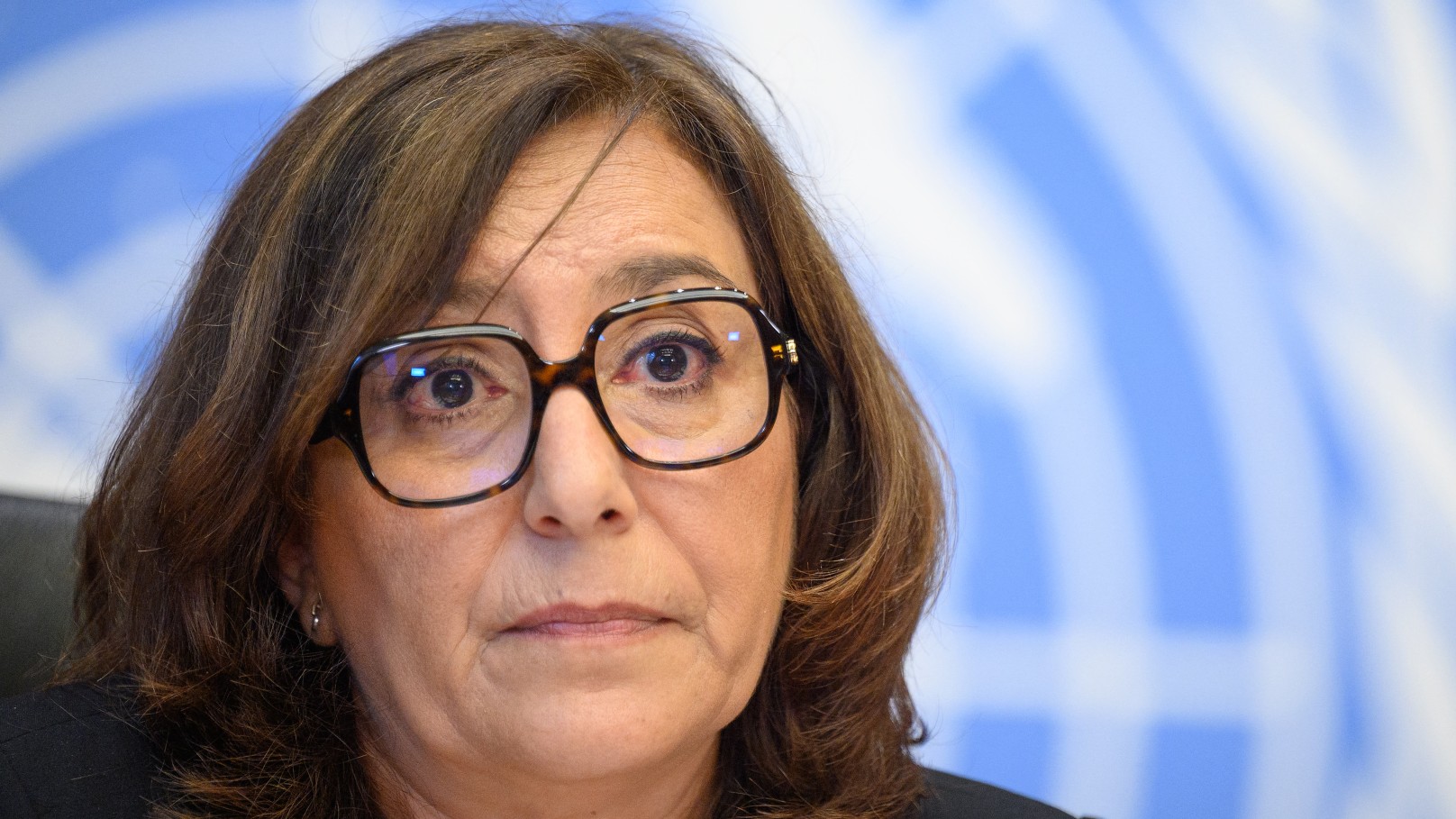
Mona Rishmawi, a member of the FFMS and expert on the Darfur conflict, characterized the findings as “serious and urgent” in an interview with Middle East Eye, stating they should compel immediate international action to halt weapons flows to the paramilitary force. The report, scheduled for presentation to the UN Human Rights Council this week, documents systematic atrocities committed during the RSF’s October takeover of el-Fasher following a 500-day siege.
The investigation established that the RSF committed three prohibited genocidal acts against protected ethnic groups: mass killings, systematic rape and sexual violence, and the deliberate creation of conditions calculated to bring about physical destruction. Most victims belonged to the Zaghawa and Fur communities, previously recognized as protected groups by the International Criminal Court.
Evidence gathered from survivors indicates civilians were subjected to execution, rape, ransom detention, and even blood extraction in makeshift detention centers. The mission documented mass killings at six specific locations including el-Fasher University, the Saudi Hospital, and major exit routes where RSF forces constructed earthen berms to trap fleeing civilians.
Rishmawi emphasized that the genocidal intent could be inferred from the totality of RSF conduct, including their use of dehumanizing language such as promises to “purify your race” and the coordinated pattern of targeting specific ethnic groups. The 18-month siege deliberately denied civilians access to food, medicine, and clean water, with water sources reportedly bombed to exacerbate suffering.
The report identifies several RSF commanders present during the atrocities and notes that leadership figures including Mohamed Hamdan Dagalo (Hemedti) publicly praised the “liberation” of el-Fasher. Despite this, both the RSF and Sudanese Armed Forces refused to cooperate with the UN investigation, denying access to controlled territories and ignoring repeated requests for information.
The mission has shared confidential evidence files with the International Criminal Court, which has jurisdiction over Darfur under a 2005 Security Council referral. However, Rishmawi noted that the ICC’s capacity has been weakened by recent US sanctions, complicating pursuit of accountability.
The report serves as a warning to states providing political or material support to combatants, noting that the RSF appears to have benefited from logistical military support in violation of the Darfur arms embargo in place since 2005. While not naming specific nations, the mission indicated it is engaging with various states regarding their involvement and will report on third-state responsibility in the future.
The investigation faced significant challenges due to severe financial and staffing constraints within the UN system, operating with less than half the necessary personnel. Evidence was primarily gathered from survivors in neighboring Chad and South Sudan after being denied access to el-Fasher itself.
Rishmawi called for serious discussions regarding an international protection force, noting that many Darfur residents felt safer under the previous African Union-UN hybrid peacekeeping mission (Unamid) that operated from 2007-2020. With minimal international presence and media coverage currently in Sudan, civilians remain vulnerable to ongoing violence with limited global attention.