A significant diplomatic confrontation has emerged in the Arabian Gulf as Kuwait vigorously protests Iraq’s recently submitted maritime border maps to the United Nations. The dispute centers on coordinates that Kuwait claims violate its sovereign maritime territories and established water elevations.
Iraq’s Ministry of Foreign Affairs submitted the controversial maps to the UN Secretary-General on January 19 and February 9, 2026, presenting them as compliant with the 1982 United Nations Convention on the Law of the Sea (UNCLOS). These documents outline Iraq’s territorial sea baselines and maritime zones using the World Geodetic System 1984 (WGS-84) standard.
The core of the conflict revolves around the Khor Abdullah waterway, a historically contentious area between Kuwait’s Bubiyan and Warbah islands and Iraq’s Al Faw Peninsula. This dispute originates from the aftermath of Iraq’s 1990 invasion of Kuwait and subsequent UN Security Council Resolution 833 in 1991, which established land boundaries but left maritime delimitations ambiguous.
Kuwait delivered an official protest note to Iraq’s Chargé d’Affaires in Kuwait on February 21, asserting that the newly claimed areas, including Fashat al-Qaid and Fashat al-Ayj elevations, were never previously disputed. Kuwait’s Foreign Ministry urged Iraq to consider their historical bilateral relations and adhere to international law and existing agreements.
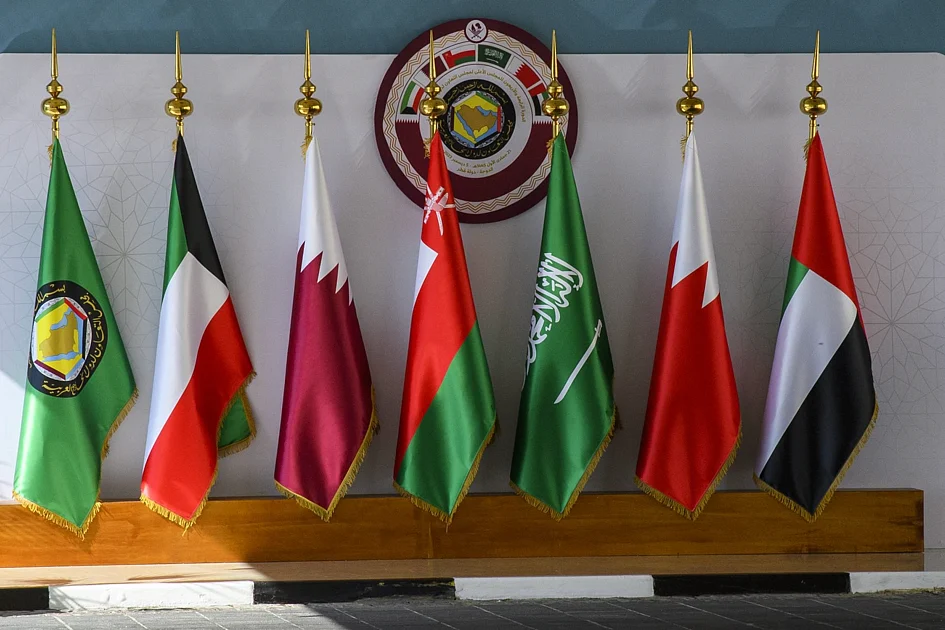
The Gulf Cooperation Council (GCC) members have unanimously supported Kuwait’s position. The UAE expressed full solidarity, condemning Iraq’s coordinate submission, while Bahrain voiced deep concern over sovereignty infringements. Oman emphasized historical fraternal relations and principles of good neighborliness, and Qatar reaffirmed support for Kuwait’s maritime sovereignty. Saudi Arabia, monitoring with “high interest and concern,” rejected Iraq’s claims near the Saudi-Kuwaiti divided zone, emphasizing the need for continued shared resource management according to existing agreements.
Iraq maintains its actions comply with international law, stating the submission aims to update maritime data and enhance legal clarity regarding its sovereign zones. The coordinates have been published on the UN’s Division for Ocean Affairs website for member state access.
The United Nations Convention on the Law of the Sea, established in 1982, provides the legal framework for marine activities, ocean boundaries, and resource management, making it the central reference point for resolving such international maritime disputes.