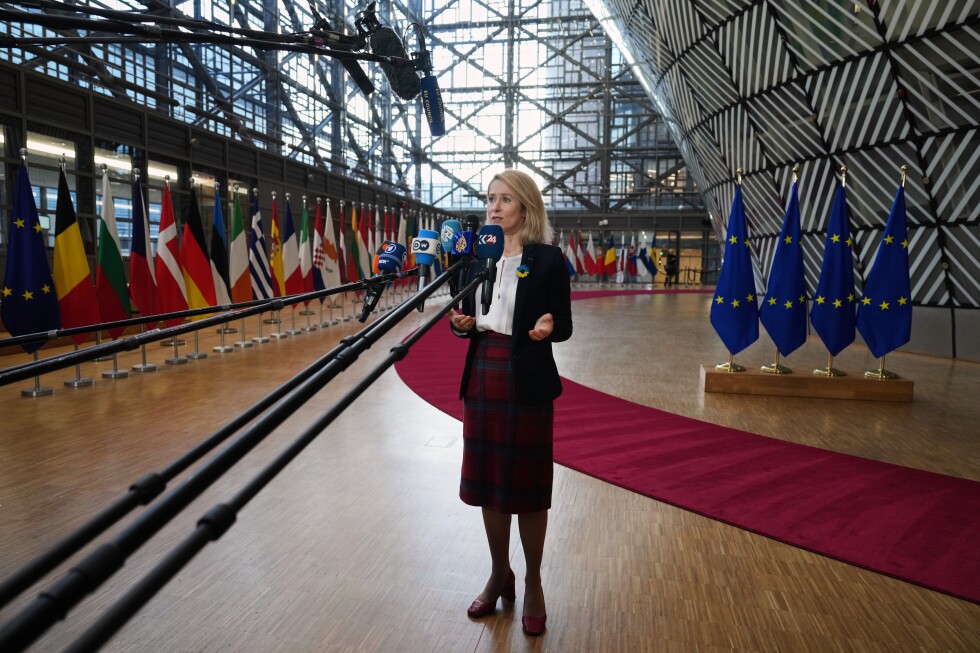
BRUSSELS — European Union efforts to impose a twentieth sanctions package against Russia have encountered significant obstruction from Hungary, creating a major rift within the bloc on the eve of the fourth anniversary of Russia’s full-scale invasion of Ukraine.
EU Foreign Policy Chief Kaja Kallas confirmed Monday that the comprehensive sanctions package targeting Russia’s shadow fleet and energy revenues would likely not advance during the foreign ministers’ meeting in Brussels. The development follows Hungary’s weekend threat to block both the sanctions and a critical €90 billion loan package for Ukraine until Russian oil deliveries to Hungary resume.
The diplomatic standoff stems from the January 27 interruption of Russian oil shipments to Hungary and Slovakia via the Druzhba pipeline, which Ukrainian officials attribute to Russian drone attacks damaging the infrastructure. Hungarian Prime Minister Viktor Orbán has made unsubstantiated claims that Ukraine is deliberately withholding oil shipments and attempting to destabilize his government.
In a social media post, Orbán characterized the situation as a “Ukrainian oil blockade” orchestrated by President Volodymyr Zelenskyy, warning that “by attacking Hungary, he can only lose.” The comments come as Orbán faces a crucial election in less than two months, during which he has launched an aggressive anti-Ukraine campaign accusing the leading opposition party of conspiring with EU and Ukrainian officials.
The Hungarian position has drawn sharp criticism from other EU members. Polish Foreign Minister Radosław Sikorski suggested Orbán’s actions represent a domestic political maneuver, stating it was “shocking” to see hostility toward “the victim of aggression” exploited for electoral gains.
German Foreign Minister Johann Wadephul expressed astonishment at Hungary’s stance, urging reconsideration and emphasizing the need to “show strength” and “support Ukraine sustainably.” Latvian and Estonian officials similarly emphasized the urgency of both sanctions and financial support for Ukraine.
The blocked €90 billion loan package represents crucial funding for Ukraine’s military and economic needs over the next two years, with Estonian Foreign Minister Margus Tsahkna stressing that “Ukraine needs this money heavily.”
Unlike most European nations that have significantly reduced or eliminated Russian energy imports since the 2022 invasion, Hungary and Slovakia maintain substantial Russian oil and gas supplies under a temporary EU exemption.