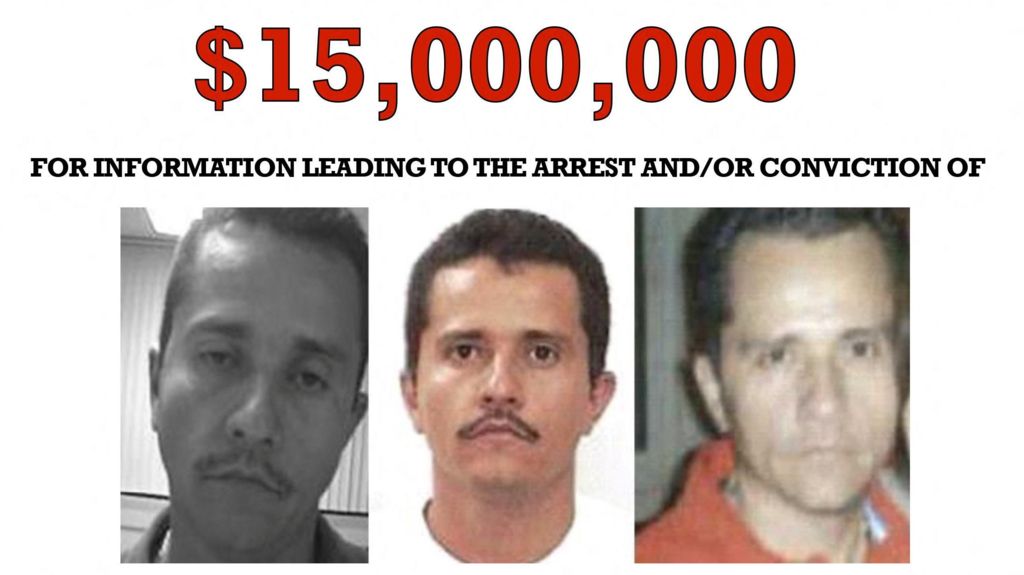
The elimination of Nemesio Oseguera Cervantes, infamously known as ‘El Mencho,’ marks a pivotal moment in Mexico’s ongoing battle against organized crime. As the mastermind behind the Jalisco New Generation Cartel (CJNG), his death represents both a significant tactical victory for authorities and a potential catalyst for escalated violence across the nation.
US intelligence agencies played a crucial role in the operation that brought down Mexico’s most feared cartel leader, demonstrating unprecedented cross-border cooperation between Mexican and American authorities. This joint effort underscores the international dimension of combating drug trafficking organizations that operate across national boundaries.
In the immediate aftermath of El Mencho’s death, his organization has launched a coordinated campaign of violence and intimidation. From Guerrero on the Pacific coast to Tamaulipas in the northeast, cartel members have erected roadblocks and unleashed violence in at least eight Mexican states. The western state of Jalisco, the cartel’s home territory, has witnessed particularly severe unrest with masked gunmen setting fire to businesses in Guadalajara—a designated host city for the upcoming FIFA World Cup.
Tourist destinations like Puerto Vallarta have been paralyzed as both visitors and residents shelter indoors awaiting the passing of this violent outburst. This widespread display serves dual purposes: demonstrating loyalty to the fallen leader and expressing fury toward government forces responsible for his elimination.
The strategic vacuum left by El Mencho’s death raises critical questions about the future balance of power within Mexico’s criminal landscape. Historical patterns suggest that despite the removal of such influential figures, criminal organizations typically maintain continuity through well-established succession structures. The CJNG likely has several high-ranking lieutenants prepared to assume leadership, though replicating El Mencho’s unique combination of strategic vision and brutal effectiveness may prove challenging.
El Mencho’s criminal career followed a trajectory common to many cartel leaders. Beginning with marijuana cultivation in his native Michoacán, he advanced through the criminal ranks during his time as an undocumented immigrant in California. Multiple arrests and eventual deportation shaped his development into a calculating and ruthless operator who ultimately built Mexico’s predominant criminal enterprise from the remnants of the fractured Milenio Cartel.
His rise coincided with the decline of the Sinaloa Cartel following the extradition of Joaquín ‘El Chapo’ Guzmán. The CJNG strategically expanded its operations during this power transition, particularly capitalizing on the lucrative fentanyl trade that has become a primary concern for American authorities.
The Sheinbaum administration now faces the complex challenge of managing both the security fallout from cartel violence and the diplomatic implications of deepened cooperation with the United States. This operation may temporarily alleviate pressure from Washington regarding cross-border fentanyl trafficking while potentially forestalling calls for unilateral American military action on Mexican soil—a proposition that has gained traction among some Republican policymakers.
As Mexico processes the death of its most wanted criminal, the nation watches nervously to determine whether this represents a turning point in the drug war or merely another chapter in the cyclical violence that has long plagued the country.