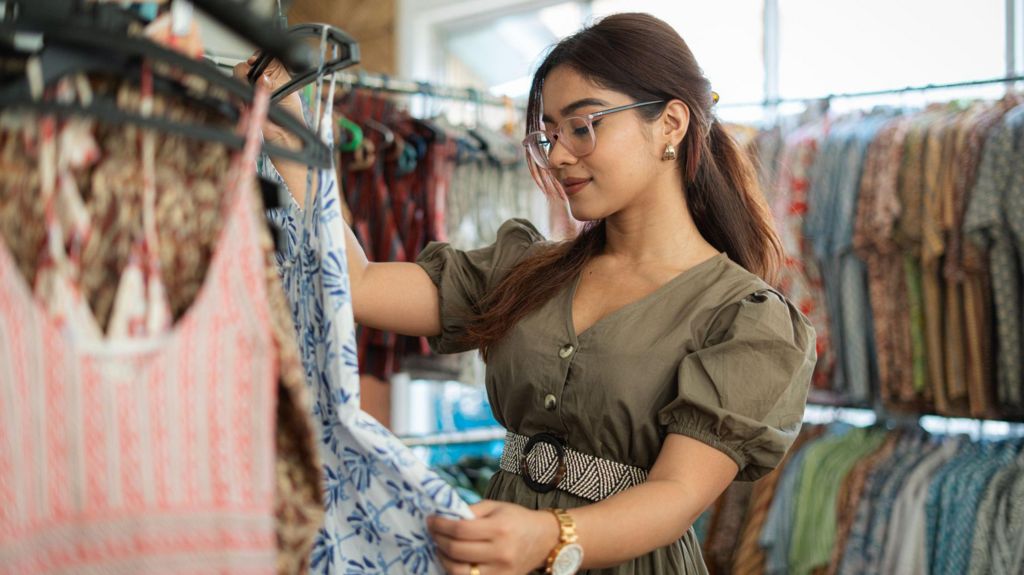
In the heart of Sangli, a western Indian town, a gleaming three-story Reliance Trends outlet symbolizes a profound shift in the nation’s retail landscape. Here, consumers like Alka, a geriatric care worker in her late 50s, experience a new paradigm of shopping. No longer confined to bargaining in street-side bazaars for unbranded apparel, she now browses vibrant collections of ethnic-wear kurtas in air-conditioned comfort, aided by attendants and trial rooms—a luxury previously unimaginable for most Indians.
This transformation is spearheaded by budget fashion brands like Reliance Trends (led by Isha Ambani, heiress to the Reliance Industries empire) and Tata’s Zudio, which offer merchandise priced between $4 and $15—comparable to traditional bazaars—but with a vastly superior shopping experience. These brands are capturing the aspirations of value-conscious consumers, particularly in smaller towns, driving extraordinary growth in India’s organized fast-fashion sector.
Zudio’s trajectory exemplifies this boom. From a mere seven stores and $12 million revenue in 2018, it has exploded to 765 stores with revenues surpassing $1 billion by mid-2025, dramatically outpacing global giants like Zara and H&M. Analysts attribute this success to a ‘bottom-of-the-pyramid’ strategy, where pricing remains critical even as brands offer contemporary designs.
The growth, however, represents a ‘wallet-shift’ rather than a market expansion. With weak job markets and stagnant wages, consumers are redirecting spending from local mom-and-pop stores to branded outlets. Budget brands have aggressively penetrated tier-2 and tier-3 towns, applying global fast-fashion playbooks—Zudio, for instance, achieves a lightning-fast 15-day inventory turnaround, rivaling Zara’s efficiency.
Yet this expansion comes with challenges. E-commerce platforms like Meesho, growing at 35-40% annually, intensify competition. Moreover, India’s apparel market remains underpenetrated, with per-capita spending lagging behind China, the US, and even Indonesia. While the sector should ideally grow at 12-15%, it has stagnated below 10% in recent years.
Environmental concerns also loom large. The textile industry is India’s third-largest contributor to dry municipal solid waste, with only a quarter being recycled. Despite some sustainability efforts, less than 1% of used clothing globally is recycled into new garments. For now, however, style and affordability outweigh ecological worries as small-town Indians embrace the fast-fashion revolution.