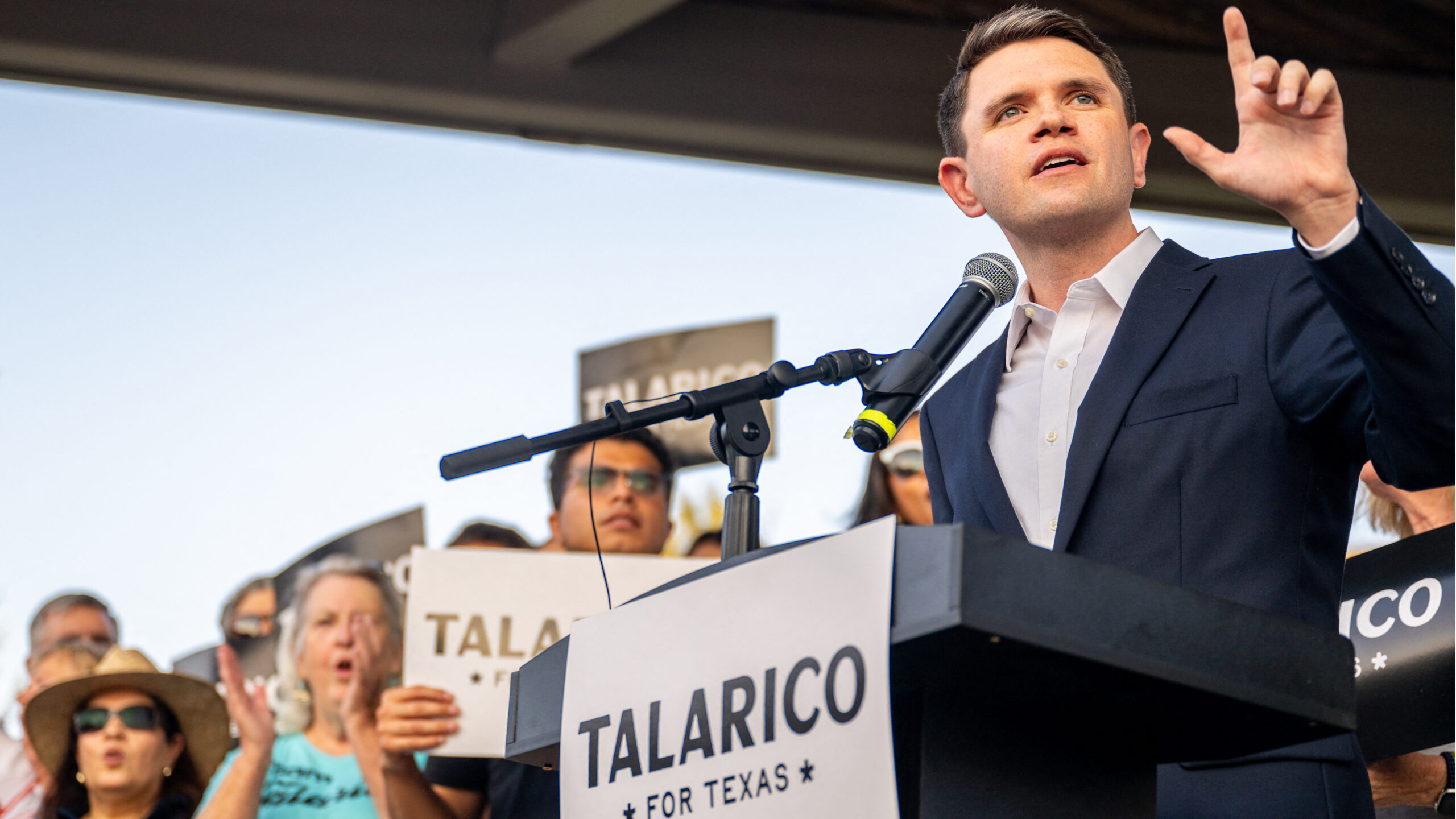
A major controversy has erupted over free speech and media censorship after CBS intervened to block Stephen Colbert from airing his interview with Texas Democratic Senate candidate James Talarico on ‘The Late Show.’ The network’s legal team explicitly prohibited both the broadcast of the interview and any discussion of its suppression, citing concerns related to Federal Communications Commission (FCC) regulations.
Colbert defiantly addressed the censorship during his opening monologue, stating: ‘Then I was told in uncertain terms that not only could I not have him on, I could not mention me not having him on. And because my network clearly doesn’t want us to talk about this, let’s talk about this.’ The host criticized both the FCC and the Trump administration, suggesting dissent was being suppressed under the pretext of preventing ‘partisan purposes’ in talk shows.
Although banned from television broadcast, the interview was subsequently published on the show’s YouTube channel, where it quickly went viral. Talarico used the platform to accuse President Trump and Republican leadership of hypocrisy: ‘This is the party that ran against cancel culture. And this is the most dangerous kind of cancel culture, the kind that comes from the top.’
The Democratic candidate further asserted that ‘corporate media executives are selling out the First Amendment to curry favor with corrupt politicians,’ warning that ‘a threat to any of our First Amendment rights is a threat to all of our First Amendment rights.’
This incident marks the second time Talarico has faced FCC-related scrutiny, following a previous investigation into his appearance on ‘The View.’
The censorship attempt has triggered widespread backlash across social media platforms, with many users accusing the FCC and Trump administration of undermining constitutional free speech protections. Journalist Mehdi Hassan commented on X: ‘The party (GOP) and politician (Trump) who spent the past decade screaming about free speech and snowflakes have declared war on late night comedians.’
Some analysts suggest the censorship may ultimately benefit Talarico’s campaign, with the interview garnering over 10 million views online—far exceeding the show’s typical television audience of approximately two million viewers. Many commentators argue that the suppression attempt has generated more attention for the candidate than a standard broadcast would have achieved.
The controversy emerges against the backdrop of Texas’ March 3 primary, where Talarico faces Congresswoman Jasmine Crockett. The candidates differ significantly on foreign policy, particularly regarding Israel-Palestine relations, with Talarico maintaining a firm stance against sending additional military aid to Israel during the conflict in Gaza.