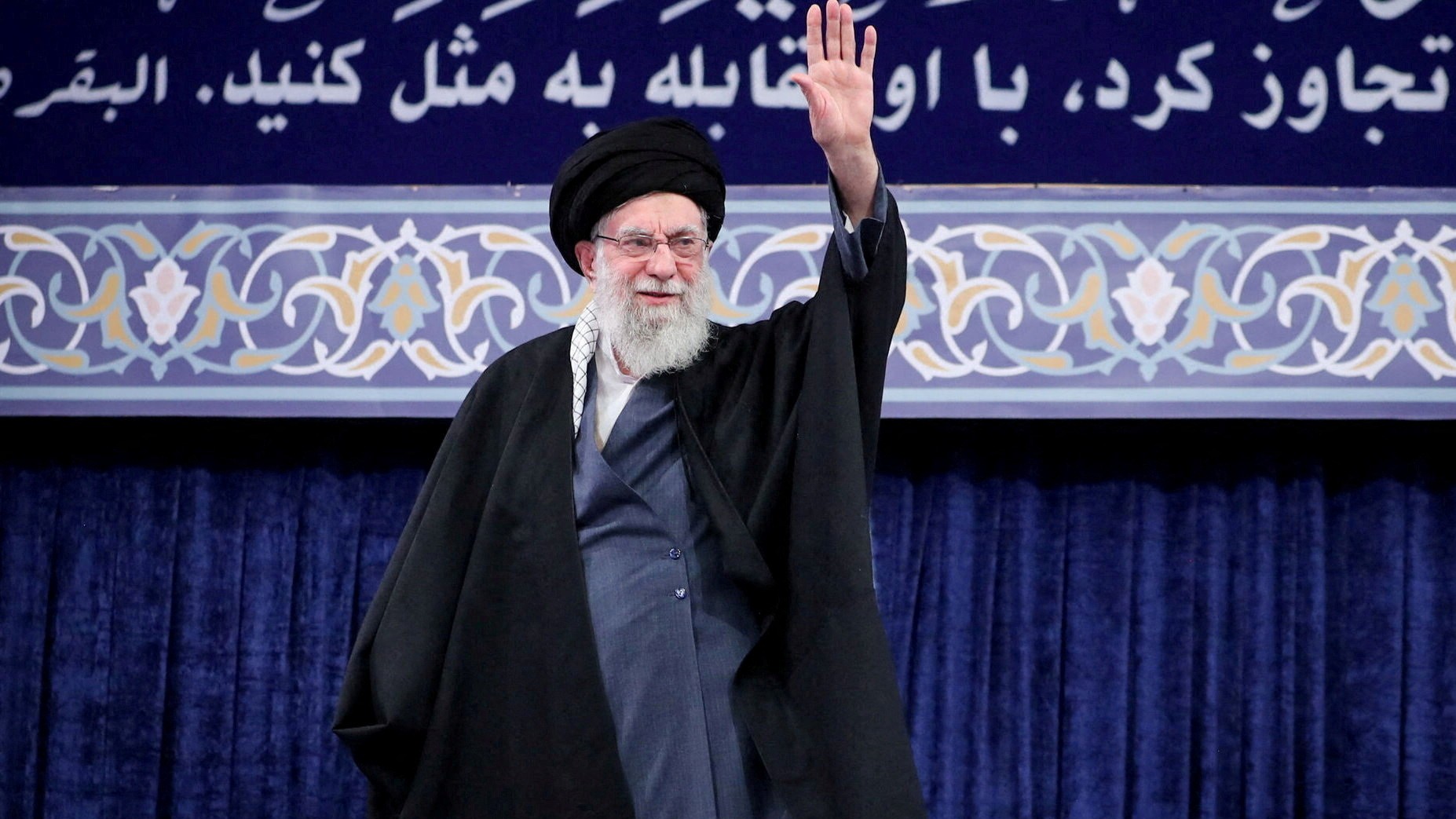
In a significant revelation about Iran’s contingency planning, Supreme Leader Ayatollah Ali Khamenei has implemented comprehensive directives to ensure governmental continuity should the nation face external attacks or leadership decapitation. According to intelligence obtained by The New York Times, these measures include a sophisticated four-tier succession framework for both military and civilian leadership positions.
The strategic blueprint designates Ali Larijani, Secretary of Iran’s Supreme National Security Council, as a pivotal figure in maintaining national stability. While Larijani cannot assume the Supreme Leadership due to religious qualifications (requiring senior Shia clerical status), he emerges as the central operational authority should upper echelons be compromised. The network of potential successors also includes Parliament Speaker Mohammad-Bagher Ghalibaf and former President Hassan Rouhani.
The reporting further illuminates the intricate power dynamics within Iran’s governance structure. Notably, during recent tensions, when U.S. regional envoy Steve Witkoff attempted communication with Foreign Minister Abbas Araghchi following President Trump’s threats, the request was ultimately redirected to Larijani for authorization—bypassing both the foreign minister and President Masoud Pezeshkian. This incident underscores Larijani’s elevated authority in security and foreign policy matters.
These developments occur against a backdrop of intensified U.S.-Iran hostilities, despite ongoing diplomatic engagements. Recent discreet talks, reportedly facilitated through Omani channels in Cologny, represent efforts to avert military confrontation. Khamenei’s public defiance toward U.S. threats emphasizes Iran’s preparedness for any scenario, with these newly revealed succession plans serving as a concrete manifestation of this strategic posture.