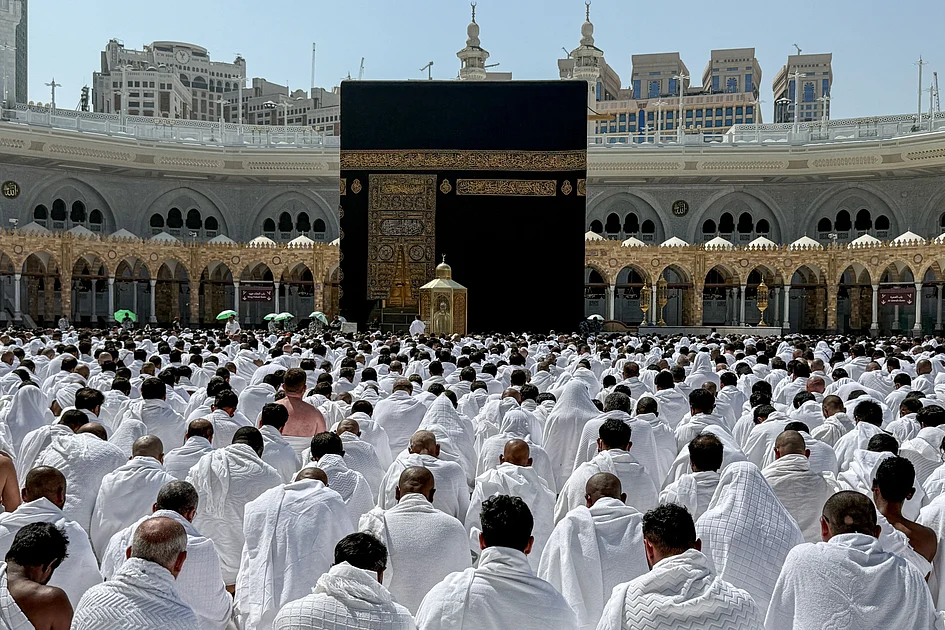
Saudi authorities have enacted a sophisticated crowd control framework to accommodate the substantial surge in Umrah pilgrims during Ramadan at Mecca’s Grand Mosque. With visitor numbers escalating significantly before, during, and after prayer times, officials have prioritized pedestrian safety through strategic traffic regulations and dedicated walking corridors.
The comprehensive plan includes establishing pedestrian-exclusive zones in the central area with extended vehicle restrictions around prayer periods. Unauthorized motorcycles and bicycles face prohibition, while improperly parked vehicles disrupting pedestrian flow are subject to immediate towing and penalties.
Transportation logistics have been meticulously organized, featuring public bus services from King Abdulaziz International Airport and fourteen designated parking facilities—nine within the holy capital and five along approach roads. During peak congestion, worshippers unable to access the Grand Mosque or its external courtyards are redirected to alternative prayer facilities equipped for their needs.
The sacred Mataf area, the white marble precinct encircling the Kaaba, has been reserved exclusively for Umrah rituals throughout daylight hours to ensure ceremonial safety and sanctity.
Access management employs an innovative illuminated signage system at mosque entrances: green signals indicate available space, while red denotes full capacity. Security personnel actively guide worshippers to accessible prayer, tawaf, and sa’i areas across multiple levels and courtyards.
Transport alternatives include Haramain train services to Rusayfah station, shuttle connections between parking areas and central transport hubs, regulated taxi services, and walking routes from adjacent neighborhoods. Private vehicle access remains restricted to non-Muhrim drivers complying with onsite traffic directives.
Capacity constraints emerge particularly during Friday prayers, Maghrib, Isha, Tarawih, and the spiritually significant Tahajjud prayers in Ramadan’s final ten days. Authorities emphasize strict adherence to directional signage and prohibit congregation in walkways, roads, and courtyards.
Accessibility provisions allocate ground floor space (excluding Mataf) for persons with disabilities, while electric carts operate on the first floor for Umrah performers requiring mobility assistance.
Mandatory Umrah permits remain essential, with pedestrian routes receiving priority in the Grand Mosque’s immediate vicinity. Muhrim drivers must utilize designated city-entry parking and complete their journey via public transport.
Prohibited activities encompass weapons possession, smoking, vending, begging, donation collection, luggage storage, escalator interference, and bringing children into overcrowded zones. Any action compromising safety or disrupting worship activities is strictly forbidden.