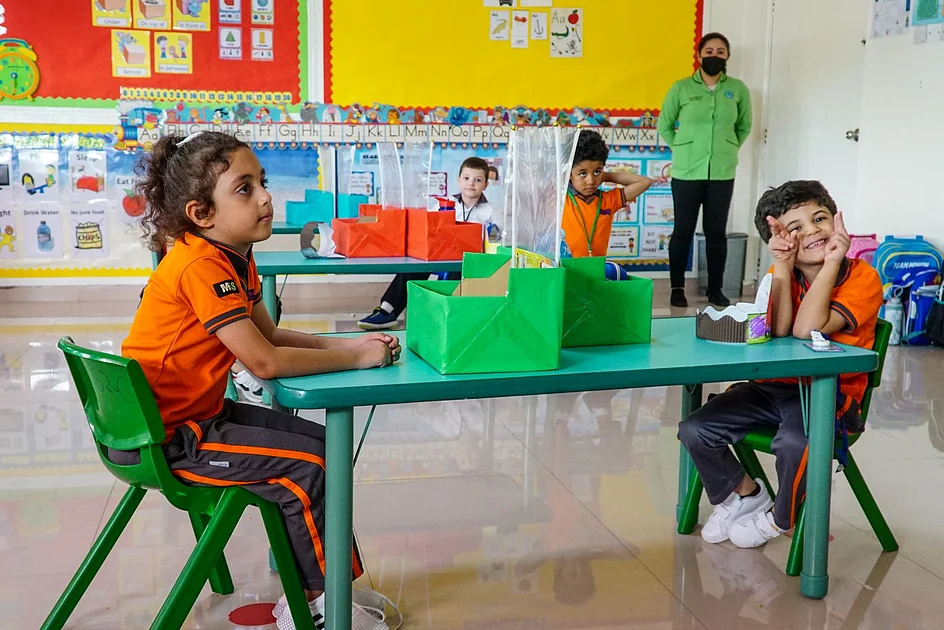
In the diverse educational landscape of the United Arab Emirates, schools are implementing innovative approaches to personal hygiene education that extend beyond traditional family responsibilities. These initiatives are becoming integral components of institutional well-being programs, addressing sensitive topics like body odor and oral hygiene with remarkable tact and effectiveness.
Global research substantiates that comprehensive hygiene education produces multifaceted benefits, enhancing not only children’s physical health and school attendance rates but also creating positive ripple effects throughout families and communities. This evidence-based approach has prompted UAE institutions to develop sophisticated methodologies for delivering these essential lessons.
Dubai resident Sherry Garcia experienced this educational evolution firsthand when she received a carefully worded communication from her son’s school regarding post-physical education odor concerns. Initially surprised by the notification, Garcia later appreciated the institution’s considerate approach. “The school’s guidance proved both practical and reassuring,” she noted, citing specific recommendations including frequent washing of athletic uniforms, daily bathing routines, and appropriate deodorant use when necessary.
Educational professionals throughout the UAE emphasize that these conversations, when conducted with sensitivity, serve as confidence-building exercises rather than sources of embarrassment. Dr. Mathivathani D, school physician at Springdales School Dubai, explained: “We employ interactive lectures, creative visual displays, and engaging student-centered activities to promote hygiene awareness through positive reinforcement. This methodology helps students develop self-care habits while fostering consideration for others.”
Schools maintain careful balance in their hygiene initiatives, discouraging strong fragrances that might trigger asthma or allergic reactions while emphasizing that true confidence stems from self-respect and healthy practices rather than external appearance alone. Regular health education sessions, particularly for adolescents, address both physical changes and emotional development while reinforcing principles of mutual respect.
The holistic approach involves parents as essential partners, with seasonal communications and workshops ensuring home-school alignment. Discreet handling of individual concerns prioritizes building trust with students before engaging parents supportively.
The broader conversation around grooming continues to evolve, with industry experts like Abdulla Ajmal, CEO of Ajmal Group, noting that age-appropriate fragrances can become constructive elements in children’s self-care routines when formulated with sensitivity to youthful skin and preferences for lighter, softer scents.