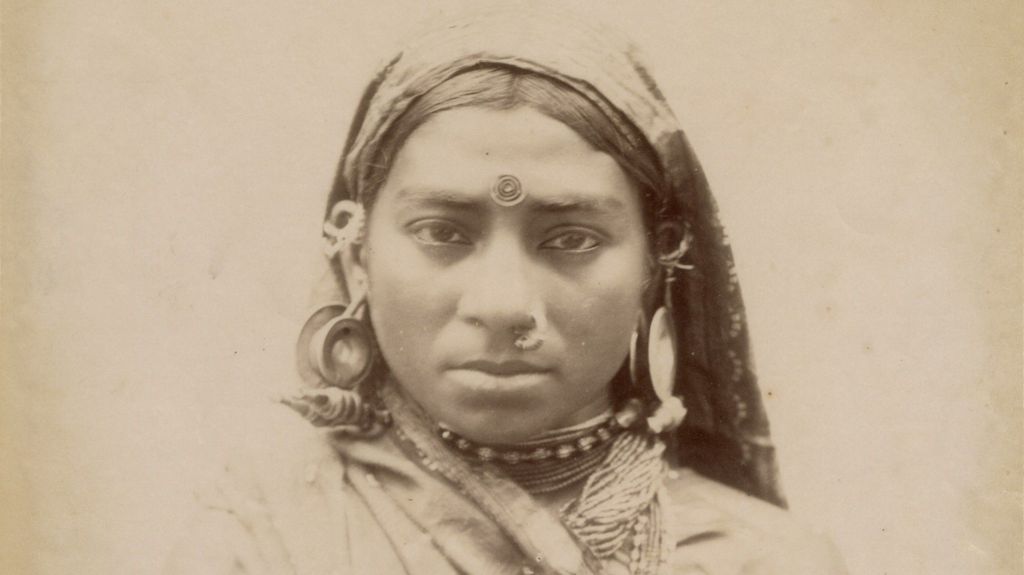
A groundbreaking exhibition titled ‘Typecasting: Photographing the Peoples of India, 1855-1920’ at Delhi’s DAG art gallery unveils nearly 200 rare photographs that reveal how the British Empire weaponized photography as a tool for social classification during colonial rule. Curated by historian Sudeshna Guha, the comprehensive display spans 65 years of visual anthropology that transformed India’s fluid social realities into fixed, knowable categories for colonial administration.
The exhibition centers on folios from ‘The People of India,’ the influential eight-volume photographic survey published between 1868-1875, while expanding to include works by pioneering photographers including Samuel Bourne, Lala Deen Dayal, John Burke, and studio Shepherd & Robertson. These practitioners developed a visual language that both documented and actively shaped perceptions of Indian society through their lenses.
Geographic diversity emerges as a central theme, with images ranging from Lepcha and Bhutia communities in the northeast to Afridis in the northwest, and from Todas in the Nilgiris to Parsi and Gujarati elites in western India. The colonial gaze particularly focused on those occupying society’s lower rungs—dancing girls, agricultural laborers, barbers, and snake charmers—transforming ordinary labor into ethnographic subjects.
Women feature prominently throughout the collection, as seen in Edward Taurines’ 1890 image of Bombay women carrying cow dung cakes, deliberately repositioned outdoors from their typical domestic settings. Another striking portrait by Felix Morin captures both the ethnographic scrutiny and formal elegance characteristic of early photography.
The exhibition also includes photographs from regions beyond direct British control, such as Sikkim, Bhutan, and Tibet, alongside images documenting Indian diaspora communities in Singapore and the Malay Peninsula. According to DAG CEO Ashish Anand, ‘This material tells the history of ethnographic photography and its effect on British administration and Indian population in a project which in size and depth has never before been seen in India.’