In a significant move to strengthen continental security, five major European powers—France, Poland, Germany, the United Kingdom, and Italy—have established a collaborative defense program leveraging Ukraine’s battle-tested expertise in drone warfare and air defense systems. The initiative, announced Friday in Warsaw, represents a strategic response to evolving security threats along Europe’s eastern flank.
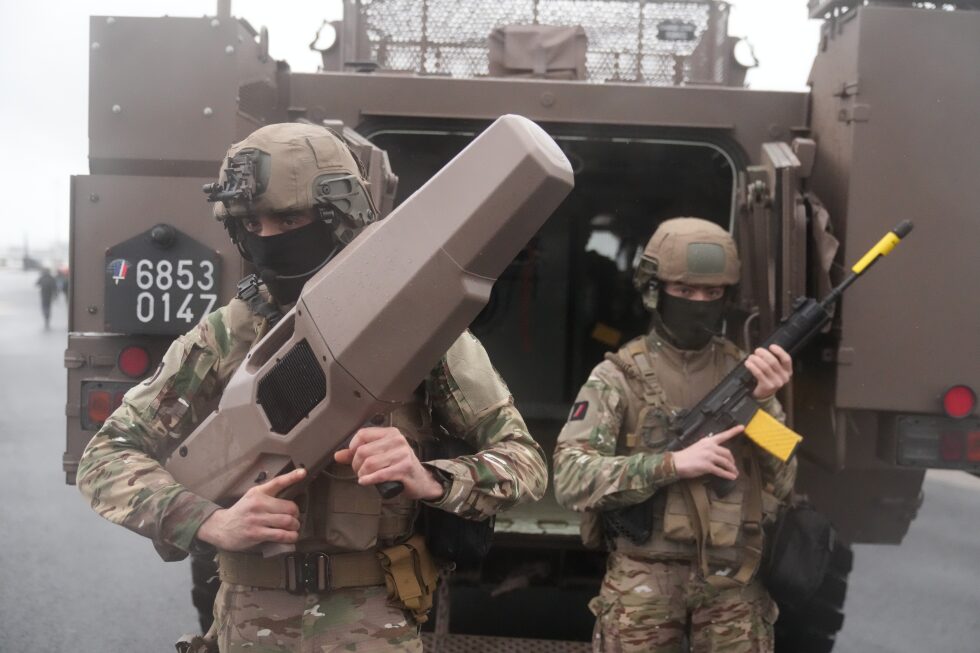
The newly formed E5 coalition will focus on developing cost-effective air defense solutions and autonomous drone technologies through the Low-Cost Effectors and Autonomous Platforms (LEAP) program. This partnership builds upon existing military cooperation between Poland and Ukraine, which already includes joint training exercises and manufacturing projects focused on drone technology.
British Minister for Defense Readiness and Industry Luke Pollard emphasized the economic imperative behind the initiative: “We possess some of the world’s most advanced systems for neutralizing aerial threats. However, we must ensure our defensive capabilities are economically proportionate to the relatively inexpensive missiles and drones we face.”
The program directly addresses recent security challenges, including multiple incidents where European borders and airports experienced unauthorized drone incursions. While Russia has been frequently implicated in these violations, Moscow consistently denies intentional involvement.
Polish Defense Minister Władysław Kosiniak-Kamysz highlighted the rapid evolution of combat technologies, stating: “We’ve committed to jointly developing drone-based strike capabilities and cost-effective production of AI-enhanced combat payloads. The changing battlefield demands swift and appropriate responses.”
The urgency was underscored by a September 2025 incident where Russian drones penetrated Polish airspace, requiring NATO allies to deploy multimillion-dollar fighter jets against drones costing mere thousands. The new program aims to develop kinetic or electronic countermeasures that can detect and eliminate drones at a fraction of current costs.
This European defense mobilization occurs against the backdrop of heightened security concerns following critical remarks about NATO from U.S. President Donald Trump’s administration. The EU has subsequently increased military spending while reevaluating deeper defense integration projects.
EU Foreign Policy Chief Kaja Kallas noted: “European security faces greater uncertainty than in decades, necess strengthened hard power capabilities. Our record defense investments demonstrate Europe’s commitment to enhancing security within NATO, ultimately strengthening the entire alliance.”
Despite temporary easing of tensions over Trump’s controversial remarks regarding Greenland and NATO allies’ military contributions, the internal disagreements have significantly undermined the alliance’s deterrent capabilities against potential adversaries.