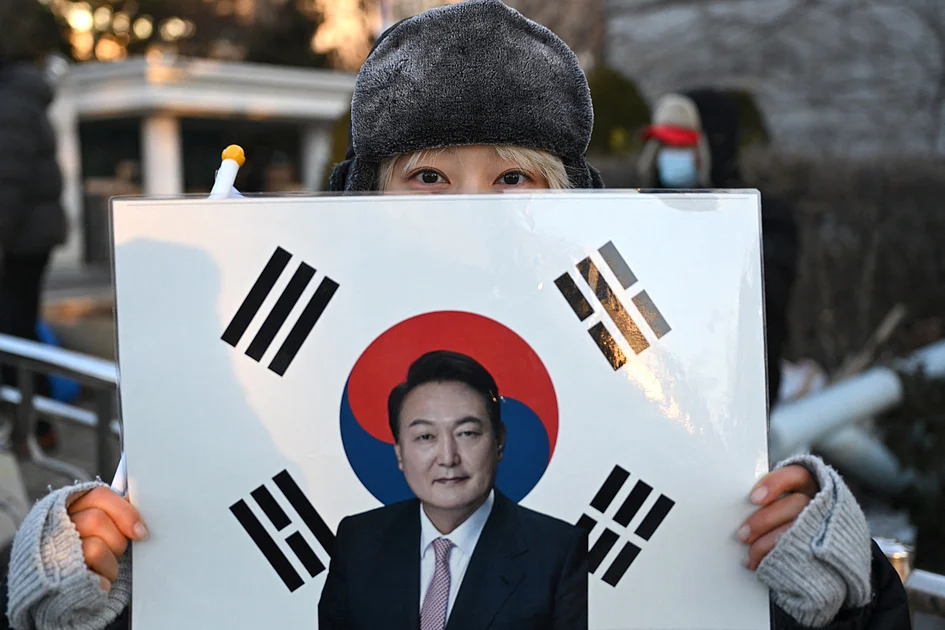
In a landmark judicial ruling with profound political implications, former South Korean President Yoon Suk Yeol has been sentenced to life imprisonment for orchestrating an attempted insurrection. The Seoul Central District Court delivered the verdict on Thursday, convicting Yoon of subverting the nation’s constitutional order through his unprecedented December 2024 declaration of martial law.
The court established that Yoon had unlawfully deployed military forces to storm the National Assembly in a brazen attempt to detain political opponents. This extraordinary intervention, which lasted approximately six hours before being overturned by parliamentary vote, triggered widespread public protests and created a constitutional crisis.
On Friday, through legal representatives, the former president issued a formal apology expressing regret for ‘the frustration and hardships’ caused to citizens. ‘I deeply apologise to the people for the frustration and hardships I have caused them, due to my own shortcomings, despite my resolve to save the nation,’ Yoon stated.
However, the former prosecutor-turned-president simultaneously condemned the judicial process as ‘predetermined’ and characterized the conviction as political retaliation. Yoon questioned whether an appeal would be meaningful ‘in an environment where judicial independence could not be guaranteed,’ while urging supporters to ‘unite and rise.’
Legal representatives clarified that these statements did not indicate an intention to forgo appellate proceedings. Prosecutors had previously sought capital punishment—a remarkable request given South Korea’s de facto moratorium on executions since 1997. The prosecution team expressed some ‘regret’ over the life sentence verdict but remained undecided regarding appeal plans.
This case represents one of the most dramatic falls from power in South Korea’s democratic history, marking the first time a former president has received a life sentence for insurrection-related charges. The proceedings have exposed deep political divisions and raised fundamental questions about presidential authority versus constitutional safeguards.