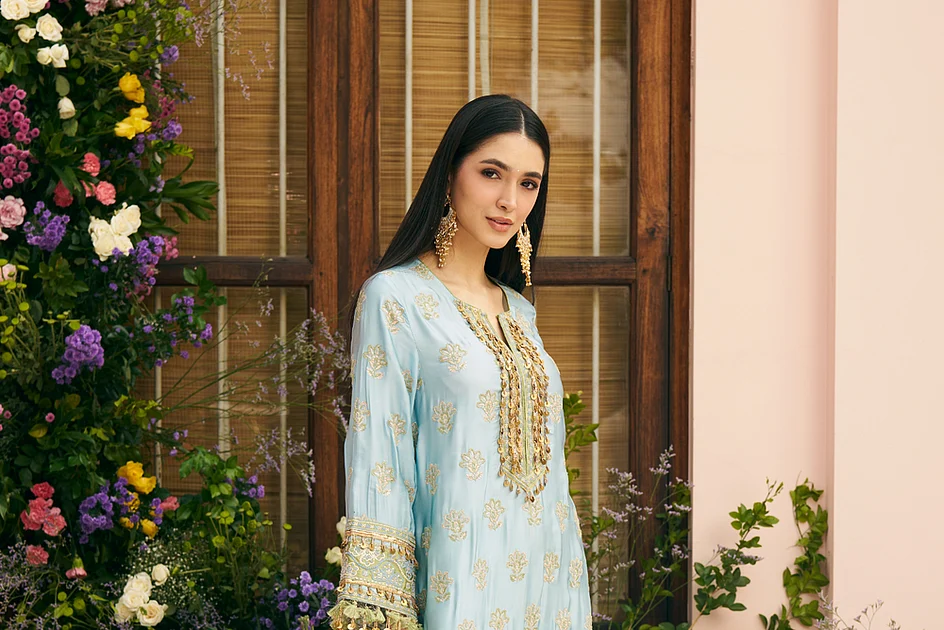
As the holy month of Ramadan approaches in 2026, fashion enthusiasts are redefining modest wear through innovative designs that harmonize tradition with contemporary aesthetics. The crescent moon not only signals spiritual reflection but also inspires a sophisticated sartorial transformation across Muslim communities worldwide.
Design visionaries are revolutionizing traditional garments by incorporating modern cuts and premium fabrics. Flowy abayas adorned with intricate embroidery and kurta sets complemented by statement jackets exemplify this fusion. Dubai-based stylist Mohna Sharma emphasizes that ‘Ramadan fashion prioritizes comfort, modesty, and effortless elegance. Lighter pastel shades and breathable natural fabrics like linen, cotton, and silk-satin materials dominate collections, ensuring both comfort and polished appearance during fasting hours.’
The retail landscape experiences significant transformation during Ramadan, with Shop Mulmul’s senior fashion stylist Riddhima Tewari reporting a 40% surge in demand for contemporary styles over classic pieces. Younger consumers favor longer choga-style sets with contrasting colors, while senior patrons experiment with shorter kurtas and farshi-style salwars, often completed with complementary dupattas for modest refinement.
Comfort remains paramount in Ramadan fashion selections. Italian luxury brand Santoni’s president Giuseppe Santoni advocates for ‘natural materials and soft textures that ensure breathability.’ The brand’s capsule collection features metallic-finished footwear with crystal details that provide subtle festive character without compromising comfort.
Celebrity style influences continue shaping Ramadan fashion trends, with flowy silhouettes like shararas and Anarkali suits gaining prominence for their sophisticated charm. Beyond personal attire, Tewari notes increased demand for intricately embroidered cotton sets suitable for gifting and formal occasions throughout the year.
Styling techniques emphasize layered elegance during the holy month. Sharma recommends ‘pairing linen pants or straight-fit jeans with full-sleeve tops and lightweight kaftans or abayas as outer layers.’ For iftar gatherings, embroidered kaftans and statement maxi dresses in silk or satin provide subtle sheen, elevated by minimal accessories like delicate necklaces or statement bracelets.
Men’s fashion similarly focuses on lightweight cotton or linen pants paired with soft shirts that maintain refinement while ensuring comfort. The overarching philosophy, as Santoni articulates, involves ‘curating a purposeful wardrobe focused on quality over quantity, with items that transition seamlessly across various moments while maintaining refined elegance.’
Prevailing trends include flowy kaftans and maxis, lightweight Chikankari suits, modern ghararas with royal heritage elements, and regal Anarkali suits for evening events. The color palette favors sophisticated understated tones like ivory, beige, olive, charcoal, deep blue, and soft gold, while decorative elements feature golden and silver zari work alongside gota pattis and delicate hand-crafted threadwork. Daywear embraces dewy blues, seafoam greens, and soft lilacs, while evenings showcase vibrant fuchsia, oranges, purples, and bright reds.