The global economic paradigm is undergoing a profound transformation as the traditional model of unfettered globalization demonstrates increasing vulnerabilities. Where once borderless trade and complete market liberalization were considered inevitable pathways to prosperity, recent crises including the 2008 financial collapse, pandemic disruptions, and geopolitical fractures have prompted a fundamental reassessment among major economies.
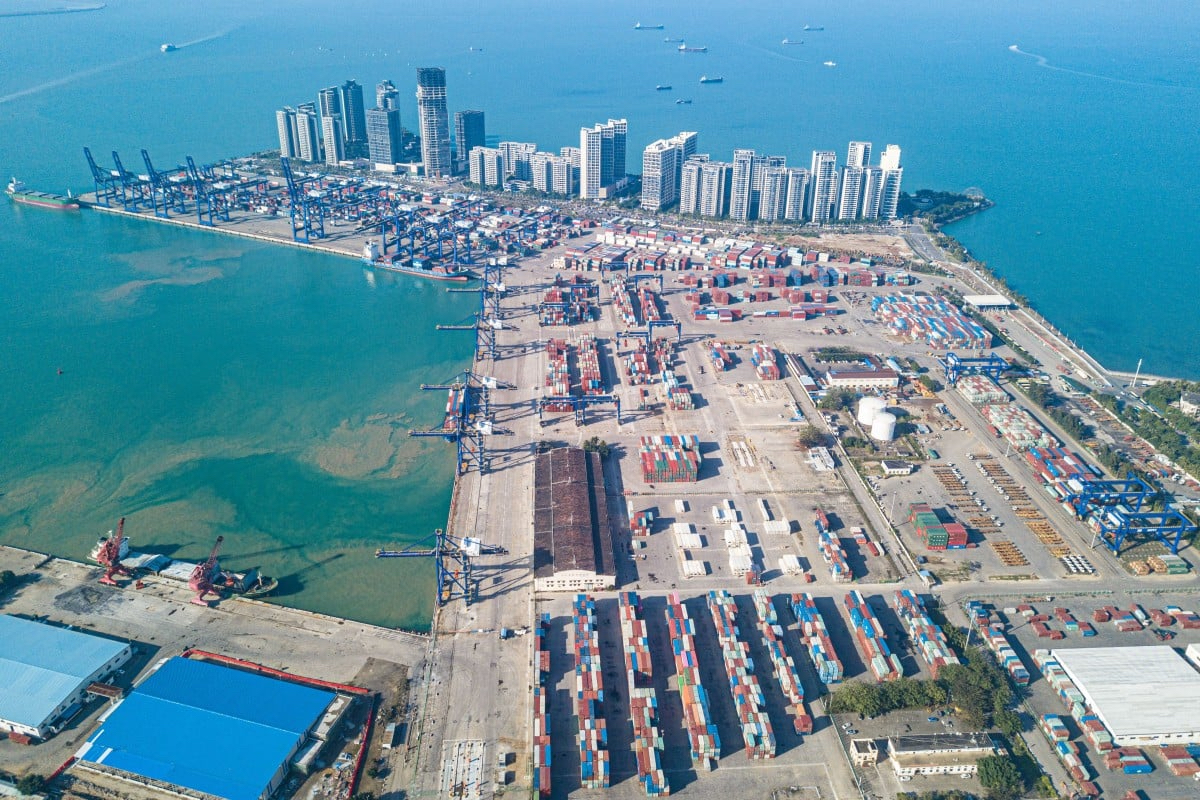
China’s Hainan Free Trade Port emerges as a groundbreaking response to this new reality, representing not merely another logistics hub but a sophisticated recalibration of how nations might engage with global markets. Unlike conventional free trade zones that function as open gateways, Hainan operates as an institutional filter—a controlled experimental space where globalization is permitted selectively within carefully defined parameters.
The port’s distinctive architecture creates a deliberate separation between international commerce and China’s domestic economy. Within Hainan’s boundaries, enterprises benefit from minimal tariffs, streamlined administration, and predictable legal frameworks. However, when goods or capital transition to mainland China, standard national regulations and tariffs reappear, ensuring the state maintains oversight of economic flows.
This innovative approach embodies what analysts term ‘selective globalization’—a middle path between complete isolation and unconditional openness. The strategy reflects China’s evolving perception of economic security, where risk management now rivals efficiency as a primary policy consideration. Rather than retreating from global engagement, China is architecting a more deliberate, state-guided form of international economic integration.
For international businesses, Hainan presents both opportunity and clarification: advantageous operating conditions coexist with the clear understanding that China’s openness will be strategically managed rather than comprehensive. The port functions simultaneously as an economic zone and a geopolitical instrument, allowing China to maintain global connections while buffering against external vulnerabilities.
The implications extend beyond China’s borders, particularly for Southeast Asian economies that have positioned themselves as alternative manufacturing hubs. Hainan’s combination of fiscal incentives, regulatory clarity, and proximity to Chinese markets may attract higher-value activities, potentially reshaping regional supply chain dynamics and compelling neighboring nations to reconsider their own strategic economic positioning.
Hainan ultimately signals a broader transformation in global economic governance—away from neutrality and toward politically conscious engagement where nations actively design their integration parameters. This model acknowledges interconnectedness while asserting national priorities, potentially establishing a new template for how major economies navigate an increasingly fragmented international landscape.