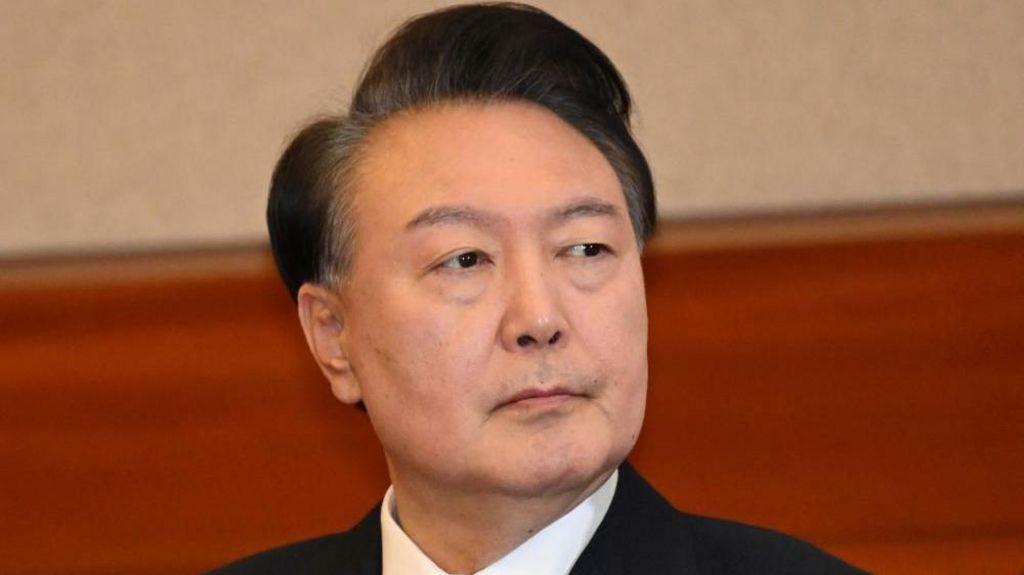
In a landmark ruling that has exposed profound national divisions, former South Korean President Yoon Suk Yeol has been sentenced to life imprisonment for orchestrating a constitutional insurrection through his attempted imposition of martial law. The Seoul Central District Court delivered the verdict on Thursday, concluding that Yoon’s actions on December 3, 2024, constituted a grave assault on democratic foundations when he deployed military forces to blockade the National Assembly and ordered the arrest of political opponents.
Presiding Judge Ji Gwi-yeon characterized Yoon as the ‘insurrectionist leader’ whose conduct ‘fundamentally damaged South Korea’s democracy,’ justifying the severe punishment despite prosecutors initially seeking capital punishment. The courtroom proceedings unfolded amid intense public polarization, with thousands of supporters and protesters clashing outside the courthouse. Emotional Yoon loyalists wept openly while holding banners proclaiming ‘Yoon, again,’ while anti-Yoon demonstrators demanded maximum penalty.
The political crisis originated when Yoon—facing legislative gridlock and corruption allegations against his wife, Kim Keon Hee—attempted to justify military rule as necessary protection against ‘anti-state forces’ sympathetic to North Korea. His televised declaration was reversed within hours after lawmakers physically forced their way into the parliamentary compound, triggering months of political turmoil that culminated in impeachment proceedings and multiple criminal indictments.
This verdict represents the latest development in a sweeping judicial process that has already resulted in substantial prison terms for Yoon’s associates. Former Prime Minister Han Duck-soo received a 23-year sentence last month, while ex-Defense Minister Kim Yong-hyun—who advised implementing martial law—was jailed for 30 years. Several other high-ranking officials received sentences for their participation in what courts have deemed ‘an insurrection from the top.’
Yoon maintained throughout the trial that his actions fell within presidential authority, claiming he acted to ‘protect the freedom and sovereignty of the people.’ His legal team immediately denounced the verdict as lacking evidentiary support and following a ‘pre-written script,’ suggesting likely appeals to the Supreme Court. This would prolong final resolution for several months amid ongoing security deployments and political tensions.
Historical precedent suggests potential for future presidential pardon, as every convicted South Korean leader since 1997 has eventually received executive clemency. Yoon currently serves additional time for abuse of power and obstruction charges related to the insurrection attempt, with three more trials pending.