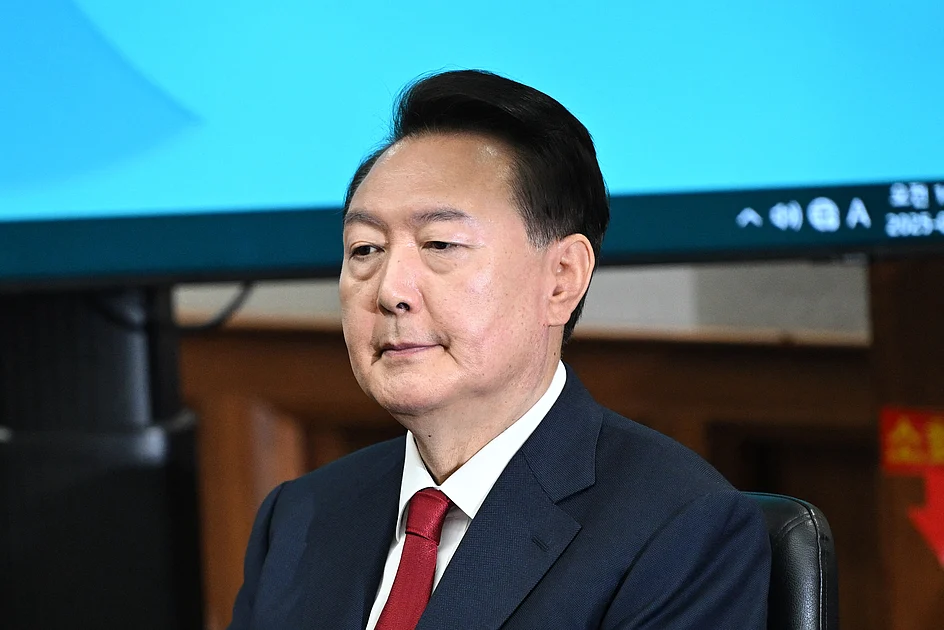
In a landmark ruling that has captured national attention, Seoul Central District Court sentenced former President Yoon Suk Yeol to life imprisonment on Thursday for orchestrating an insurrection and abusing presidential authority. The verdict concludes a highly watched trial in a nation grappling with deep political divisions.
The court found Yoon guilty of attempting to impose martial law in December 2024, an action prosecutors characterized as “destroying the liberal democratic constitutional order” by undermining the National Assembly and Election Commission. While prosecutors had sought capital punishment, the court delivered a life sentence—the most severe judicial consequence yet for the ousted leader.
The attempted martial law declaration, which lasted approximately six hours before being defeated by parliamentary vote and mass public protests, triggered a national political crisis that tested South Korea’s democratic institutions. The court additionally ruled on charges that Yoon ordered military forces to storm parliament, detain political opponents, and blockade opposition party facilities.
Yoon, 65, maintained his innocence throughout proceedings, arguing that his actions fell within presidential authority and were necessary to address opposition parties’ obstruction of government functions. The conservative former prosecutor faces multiple legal battles, having already received a five-year sentence in January for obstructing authorities attempting to arrest him following the martial law attempt.
Security was heightened around the courthouse with police buses forming protective cordons, reflecting the trial’s significance in a country that hasn’t executed anyone since 1997. Current President Lee Jae Myung commended the public’s resistance to martial law, suggesting the Korean people should be considered for a Nobel Peace Prize for their nonviolent opposition.
Legal experts anticipate appeals that could extend the judicial process beyond the typical two-year timeframe for such cases, regardless of Thursday’s verdict.