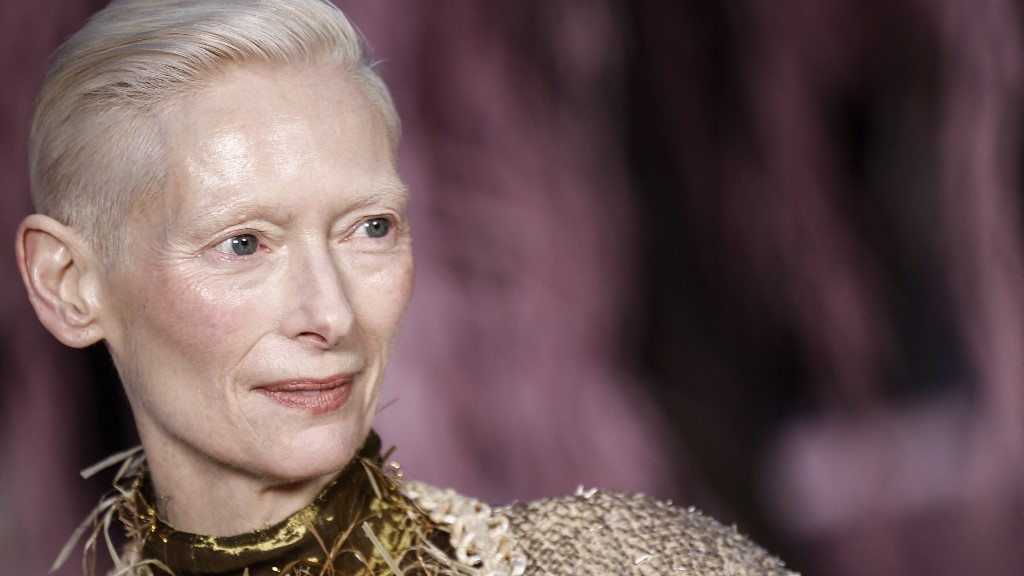
The Berlin International Film Festival (Berlinale) is confronting significant backlash from the global film community following an open letter signed by over 80 prominent filmmakers. The signatories, including Tilda Swinton, Javier Bardem, Mike Leigh, Adam McKay, and Avi Mograbi, have sharply criticized the festival’s perceived stance on Gaza, accusing its leadership of engaging in censorship and attempts to silence discourse on the issue.
The letter references incidents from the previous year, alleging that filmmakers who expressed solidarity with Palestinians from the festival stage were ‘aggressively reprimanded’ by senior programmers. One individual was reportedly subjected to a police investigation, with festival leadership falsely labeling a speech grounded in ‘international law and solidarity’ as discriminatory.
This wave of criticism was largely catalyzed by comments from this year’s jury president, acclaimed German director Wim Wenders. Despite his roots in the politically charged New German Cinema movement, Wenders stated at a press conference that filmmakers must ‘stay out of politics,’ describing cinema as a ‘counterweight’ and the ‘opposite of politics.’ These remarks were met with accusations of hypocrisy, given his 2024 praise for the Berlinale’s tradition of being ‘the most political of the major festivals.’
The controversy deepened with the reaction of other jury members. When questioned on Germany’s support for Israel, Polish producer Ewa Puszczyńska dismissed the query as ‘unfair,’ arguing that other genocides are not discussed. This climate prompted award-winning Indian author Arundhati Roy to withdraw her participation from the festival, raising further concerns about the event’s funding ties to the German government.
Parallel to the main festival, the Cinema for Peace gala became another stage for protest. Tunisian filmmaker Kaouther Ben Hania rejected a ‘most valuable film’ prize for her work, ‘The Voice of Hind Rajab,’ which chronicles the killing of a young Palestinian girl. In a powerful address attended by figures like Hillary Clinton and Bob Geldof, Ben Hania condemned the decision to honor a former Israeli general, stating that ‘peace is not a perfume sprayed over violence’ and that ‘cinema is not image-laundering.’
This is not the first time the 2024 Berlinale has been mired in controversy; it previously faced outcry over an invitation to a far-right political party and was accused of antisemitism by German officials after comments by Israeli filmmaker Yuval Abraham. His documentary, ‘No Other Land,’ co-directed with Palestinian Basel Adra, highlights discriminatory legal systems in the West Bank and later won an Oscar, amidst further controversy involving German Culture Minister Claudia Roth.
The unfolding situation presents a profound challenge to one of the world’s preeminent film festivals, pitting artistic freedom and political expression against accusations of bias and censorship, all against the backdrop of the ongoing conflict in Gaza.