Diplomatic efforts to resolve the ongoing conflict in Ukraine reached another critical juncture this week as trilateral negotiations involving Russian, American, and Ukrainian representatives concluded in Geneva without achieving a substantive breakthrough. The high-stakes discussions, which extended late into Tuesday before concluding after just two hours on Wednesday, highlighted the persistent chasm between Moscow and Kyiv’s fundamental positions.
Despite initial expressions of optimism from US envoy Steve Witkoff, both Russian chief negotiator Vladimir Medinsky and Ukrainian President Volodymyr Zelensky characterized the dialogue as particularly challenging. In a notable development following the official conclusion of talks, Medinsky returned to the negotiation venue for an additional private meeting with Ukrainian officials that lasted approximately ninety minutes, though details of these closed-door discussions remain undisclosed.
According to Ukrainian diplomatic sources familiar with the proceedings, limited progress was achieved regarding military considerations, including front line positioning and ceasefire monitoring mechanisms. However, the central issue of territorial control—specifically Russia’s unwavering demand for complete dominion over the eastern Donbas region comprising Donetsk and Luhansk—proved insurmountable. Ukrainian officials have consistently rejected this precondition as unacceptable, equating it to surrendering sovereign territory and creating strategic vulnerabilities against future aggression.
Medinsky acknowledged the difficult nature of the negotiations while simultaneously characterizing them as businesslike, confirming that additional meetings would occur in the near future. Ukrainian negotiator Rustem Umerov struck a marginally more positive tone, describing the talks as substantive and intensive while cautioning that the complex diplomatic process requires careful alignment among all parties and additional time.
President Zelensky expressed frustration with the pace of progress, accusing Russia of deliberately prolonging negotiations that he believes should have already reached their conclusive phase. The Ukrainian leader further rejected recent suggestions from US President Donald Trump that Ukraine should accelerate compromise, noting the fundamental inequity of expecting the invaded nation to make territorial concessions.
Additional complicating factors include the status of the Zaporizhzhia Nuclear Power Plant—Europe’s largest atomic energy facility, which remains under Russian control despite Ukrainian demands for its return. European representation also emerged as a significant consideration, with officials from Britain, France, Germany, and Italy participating in sideline discussions despite their exclusion from the primary US-mediated negotiations. Zelensky emphasized that European involvement remains indispensable for any eventual comprehensive agreement.
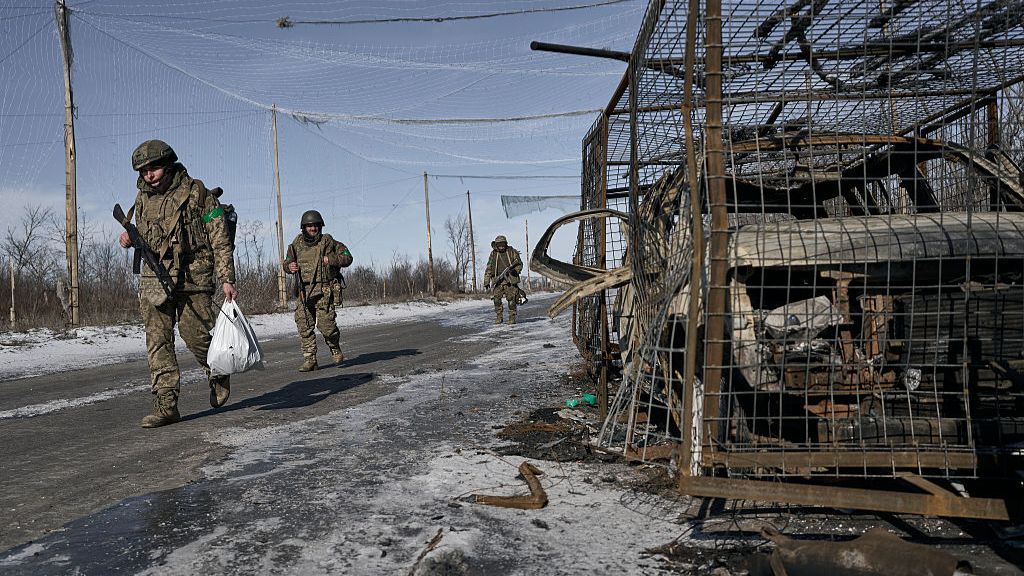
These diplomatic developments occur against the somber backdrop of the approaching fourth anniversary of Russia’s full-scale invasion, a conflict that has resulted in tens of thousands of military and civilian casualties while displacing millions across Ukraine. The continued aerial assaults and humanitarian crisis underscore the urgent need for diplomatic resolution despite the evident challenges in achieving mutually acceptable terms.