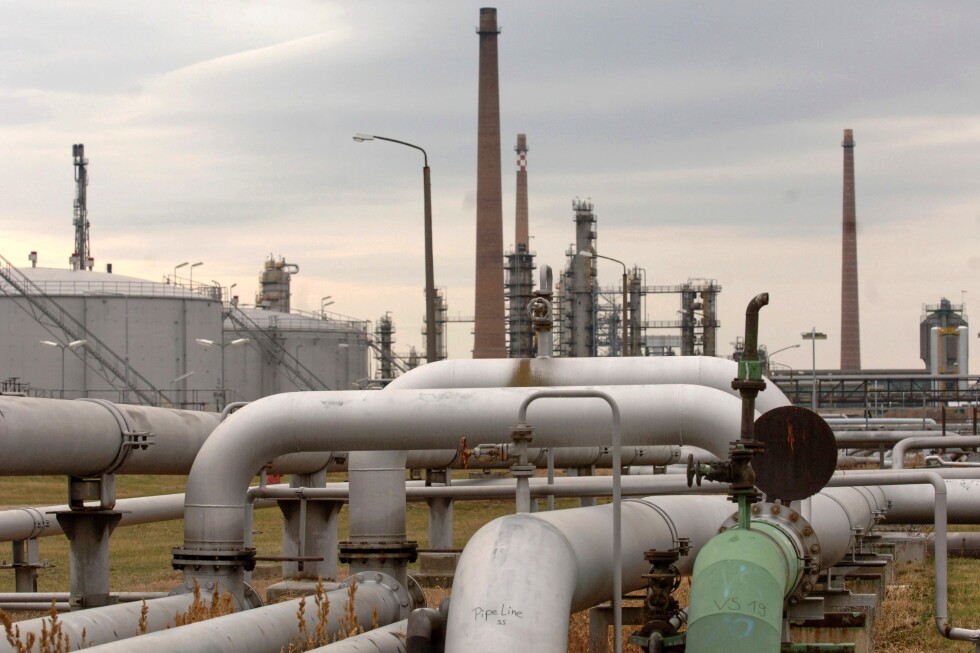
BUDAPEST, Hungary — In a significant escalation of regional energy tensions, Hungary has announced the suspension of diesel exports to Ukraine until resolution of interruptions affecting Russian oil supplies through the Druzhba pipeline. The announcement came from Hungarian Foreign Minister Péter Szijjártó via social media on Wednesday.
The diplomatic friction stems from January 27 disruptions to Russian crude deliveries to Hungary and Slovakia via the critical Druzhba pipeline, which traverses Ukrainian territory. Ukrainian authorities attribute the interruption to Russian military strikes that damaged infrastructure, while Hungarian and Slovak officials—without presenting substantiating evidence—have alleged Ukrainian intentional obstruction.
Minister Szijjártó characterized the oil supply interruption as ‘a political decision made by the Ukrainian president himself,’ a claim vehemently denied by Ukrainian officials. Despite the suspension of diesel exports, Szijjártó emphasized Hungary’s substantial oil reserves, sufficient for over three months, ensuring national energy security.
This development highlights Hungary’s distinctive position within European energy politics. Unlike most European nations that have drastically reduced or eliminated Russian energy imports since the February 2022 invasion of Ukraine, Hungary—while maintaining membership in both the EU and NATO—has actually increased its procurement of Russian fossil fuels.
Prime Minister Viktor Orbán’s government maintains that Russian energy remains economically indispensable, warning that alternative sourcing would trigger immediate economic collapse—a position contested by energy experts. Orbán, widely regarded as Moscow’s primary advocate within the EU, has consistently opposed bloc-wide sanctions targeting Russian energy revenues that help finance the war effort.
The energy dispute coincides with Hungary’s upcoming April elections, described as Orbán’s most challenging electoral contest in his 16-year tenure. His campaign has prominently featured anti-Ukraine and anti-EU rhetoric, positioning neighboring Ukraine as an existential threat and himself as Hungary’s sole protector.
In response to the pipeline disruptions, Hungary sought alternative supply routes through Croatia’s Adria pipeline system. However, Croatian Economy Minister Ante Šušnjar rejected the proposal, stating there are ‘no technical excuses left for staying tied to Russian crude’ and emphasizing that Russian oil purchases ultimately ‘help fund war and attacks on Ukrainian people.’