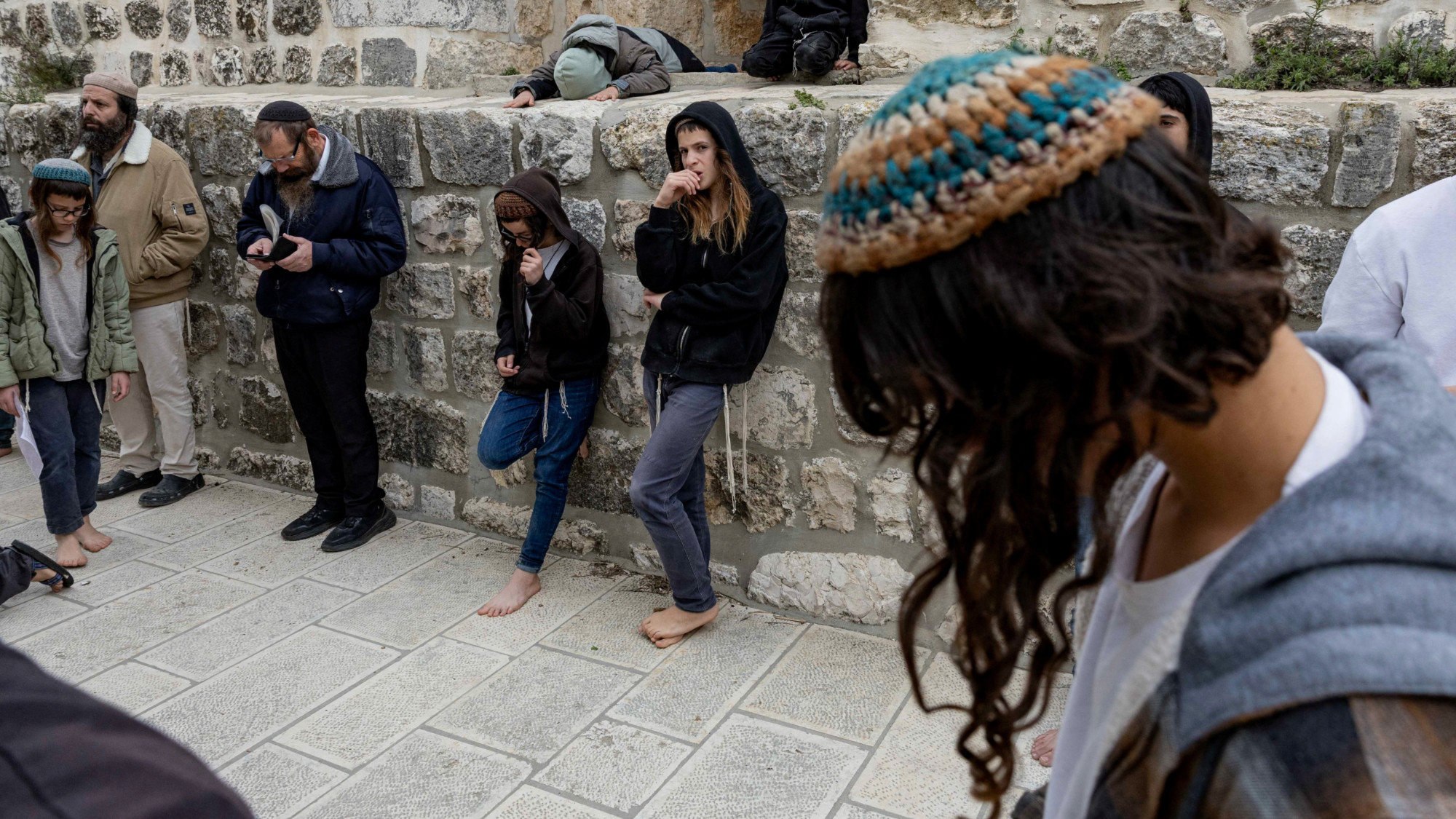
Israeli authorities have implemented controversial measures at Jerusalem’s Al-Aqsa Mosque compound at the start of Ramadan, extending access hours for nationalist settlers while imposing severe restrictions on Palestinian worshippers. The Jerusalem District Commander, Avshalom Peled, authorized an additional hour for organized settler visits, extending them from four to five hours daily during the holy month. Under the new schedule, these visits now run from 6:30 AM to 11:30 AM instead of the previous 7:00 AM to 11:00 AM timeframe.
Concurrently, Israeli forces have dramatically limited Palestinian access to the site, one of Islam’s holiest locations. Authorities announced that only 10,000 West Bank Palestinians—restricted to those over 50 or under 12 years old—will be permitted entry, exclusively on Fridays and with prior military approval. This represents a significant reduction from the hundreds of thousands who typically gather for prayers during Ramadan.
The tension was palpable on Wednesday morning as groups of ultra-nationalist Israelis entered the compound under heavy armed protection, with reports emerging of singing and dancing in the mosque’s courtyards. Meanwhile, Israeli forces detained Sheikh Mohammed al-Abbasi, the mosque’s imam, without providing justification according to Wafa news agency.
Sheikh Ikrima Sabri, the former grand mufti of Jerusalem who is himself banned from the site, condemned the measures as evidence of “Israel’s ambitions toward Al-Aqsa” and accused authorities of deliberately disrupting Muslim worship during the holy month. The mosque has long stood at the center of the Israeli-Palestinian conflict, representing both the struggle for Palestinian freedom and identity for Muslims worldwide, and the aspiration of some nationalist Jews to see a third Jewish temple erected on the site.
Israeli forces have increased their presence throughout occupied East Jerusalem and the West Bank, conducting additional arrests and operations. In a separate incident in Hebron, Israeli forces demolished a Palestinian home, leaving its residents without shelter on Ramadan’s first day. Police authorities are reportedly still considering whether to permit settler visits during the final ten days of Ramadan, a period traditionally off-limits to such incursions and which typically draws massive numbers of worshippers.