Environmental challenges exist in three distinct categories, each requiring different solutions and presenting unique obstacles. Local pollution—contaminated air and water—primarily affects nearby communities and has been effectively addressed through national regulations and economic development. The Environmental Kuznets Curve demonstrates that as societies prosper, they increasingly prioritize cleaner local environments, evidenced by China’s remarkable air quality improvements in the 2010s.
Global environmental harm, exemplified by climate change, presents greater coordination challenges due to free-rider problems. Technological innovation often provides the most viable solution, replacing polluting technologies with cleaner alternatives, as seen in the transition from ozone-depleting CFCs to HFC refrigerants.
The third category—harm to nature itself—poses the most complex challenge. Habitat destruction through logging, mining, and pollution primarily damages biodiversity rather than current human populations. Solving these problems requires altruism: either intrinsic valuation of nature or concern for future generations.
Encouragingly, evidence suggests wealthier nations increasingly preserve their natural environments. Reforestation trends across North America, Europe, and East Asia indicate growing environmental consciousness among developed nations. Even Brazil has significantly reduced Amazon deforestation rates since the early 2000s.
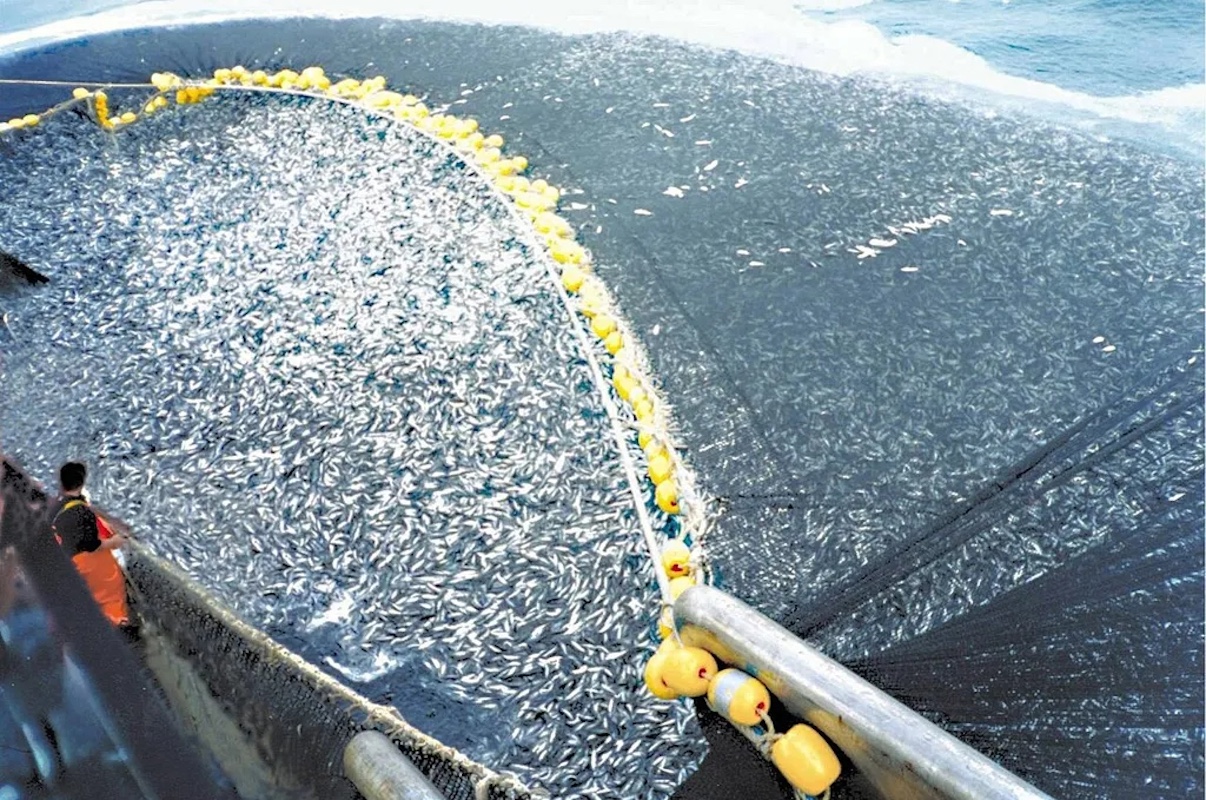
However, China presents a concerning exception in marine conservation. While implementing strong environmental protections domestically—including Yangtze River fishing bans and reforestation programs—China operates the world’s largest distant-water fishing fleet, accounting for 44% of global fishing activity according to Oceana’s 2025 report.
This fleet engages in widespread illegal, unreported, and unregulated (IUU) fishing practices: disabling transponders, falsifying records, using prohibited gear, and poaching from other nations’ waters. An Outlaw Ocean Project investigation found nearly half of China’s squid fleet committed environmental or human rights violations.
The ecological impact is devastating. China leads in destructive fishing practices like bottom-trawling, which Japan and the US have largely abandoned. Consequently, increasingly more global fisheries become overexploited, threatening both biodiversity and future food security.
Geopolitical motivations underlie much of this activity. China’s fishing fleet functions as a de facto naval militia, asserting territorial claims and pressuring other nations, particularly in the South China Sea. Government subsidies, primarily fuel support, maintain this massive fleet despite diminishing returns.
Environmental organizations have largely neglected this crisis, focusing criticism predominantly on Western nations while ignoring China’s extensive environmental violations. This selective outrage risks rendering the environmental movement irrelevant as global power shifts eastward.
The situation represents both optimism and concern: China demonstrates capacity for environmental stewardship domestically, suggesting adherence to the wealth-environment consciousness correlation. However, its geopolitical ambitions drive destructive practices internationally that threaten global marine ecosystems.