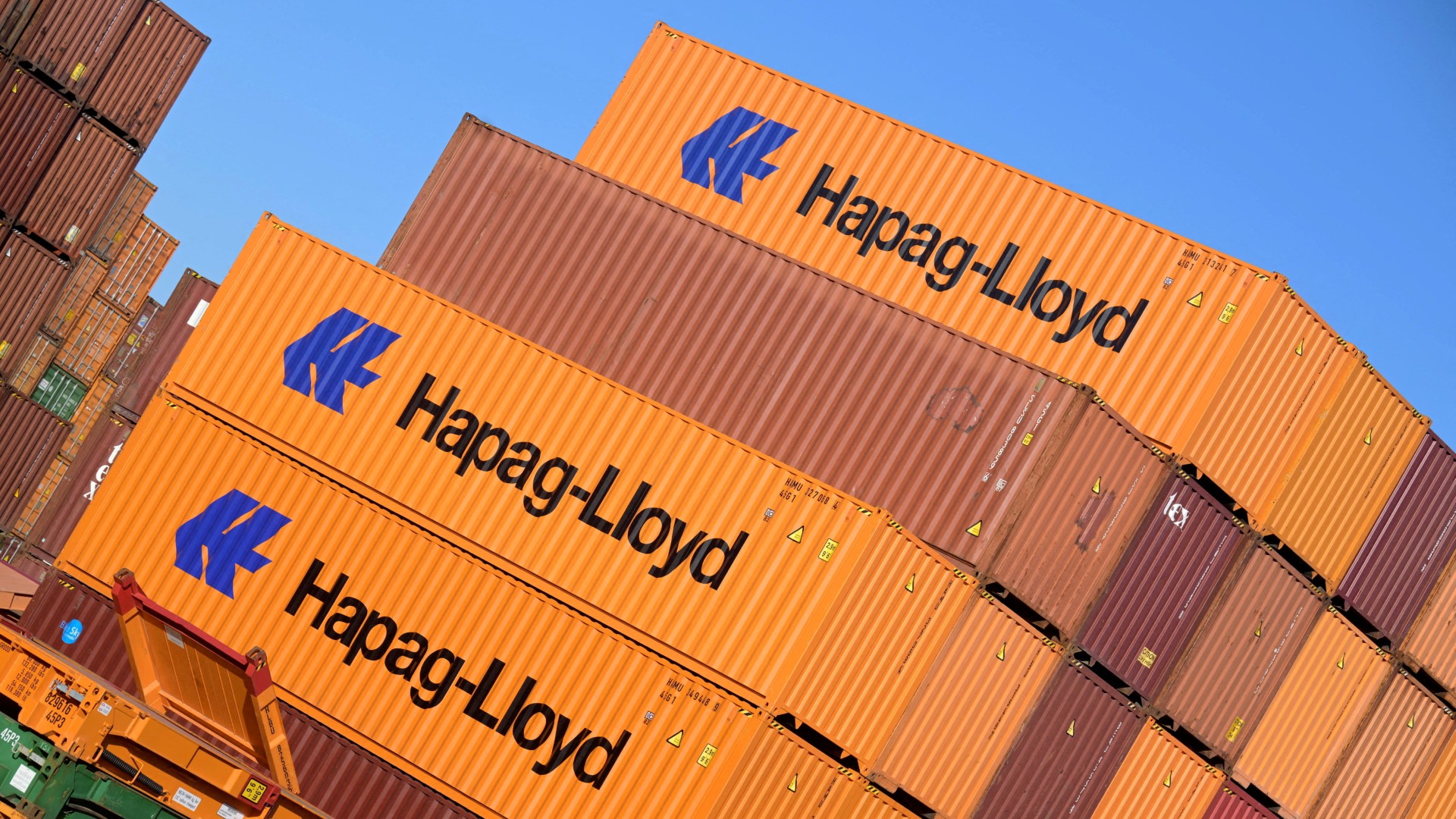
In a landmark maritime industry consolidation, German shipping conglomerate Hapag-Lloyd has formalized a $4.2 billion agreement to acquire Israel’s flagship cargo carrier ZIM. The transaction, pending final approval from Israeli authorities, represents one of the most significant developments in global shipping this year.
The acquisition structure reveals complex international ownership ties. Hapag-Lloyd, ranked as the world’s fifth-largest container shipping line, counts Middle Eastern sovereign wealth funds among its principal stakeholders. Qatar Investment Authority maintains a 12.3% ownership stake while Saudi Arabia’s Public Investment Fund controls 10.2% of the German company.
ZIM Integrated Shipping Services, established in 1945 following Israel’s founding, represents the nation’s largest maritime transport operator. Though privatized in the early 2000s, the Israeli government retains partial ownership through state-held shares. The Government Companies Authority has requested additional documentation before granting final approval.
The acquisition framework includes notable operational provisions. Israeli private equity firm FIMI will partner with Hapag-Lloyd to manage ZIM’s domestic operations, with CEO Ishay Davidi emphasizing the strategic importance of maintaining “a strong independent Israeli shipping company.” The German carrier has committed to sustaining ZIM’s development center in Haifa with planned investments in cybersecurity infrastructure.
Labor tensions have emerged as a significant complication. ZIM’s unionized workforce initiated immediate strike action following the announcement, halting all loading and unloading operations. Union chairman Oren Casspi declared vehement opposition, stating workers would “burn the company down” rather than accept the acquisition under current terms. Approximately 880 Israeli employees face potential job losses despite Hapag-Lloyd’s commitment to guarantee all positions for at least one year post-acquisition.
The transaction’s completion timeline extends through 2026 due to regulatory processes, with Hapag-Lloyd representative Samer Haj-Yehia characterizing the acquisition as recognizing “national interest of the State of Israel” while ensuring financial resilience.