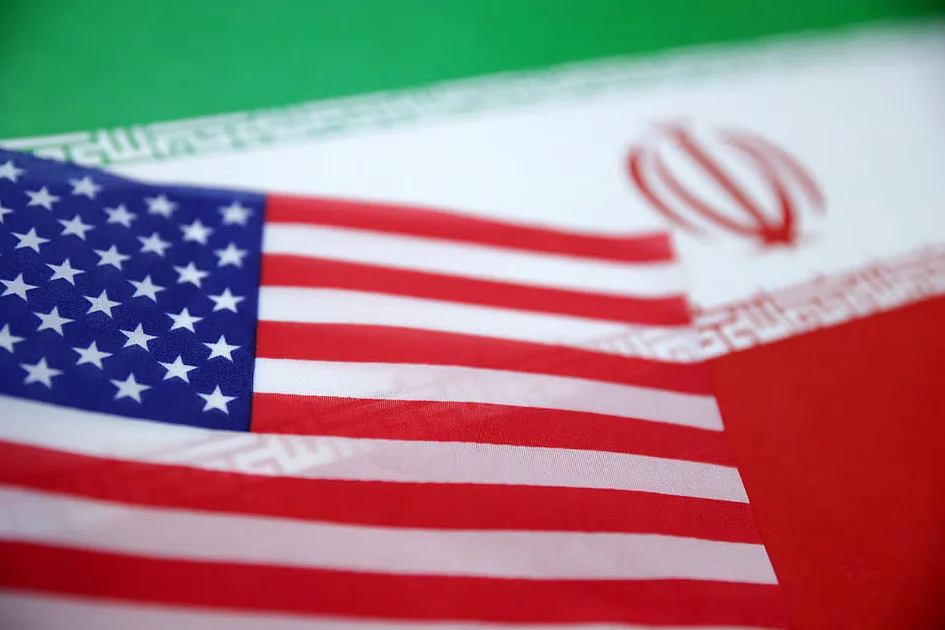
Iran has announced plans to temporarily close sections of the strategically vital Strait of Hormuz for military exercises, coinciding with sensitive nuclear negotiations with the United States. The development emerges amid escalating tensions, with U.S. President Donald Trump suggesting regime change in Tehran might be desirable, while Iran’s Supreme Leader Ayatollah Ali Khamenei defiantly declared any American attempts to overthrow his government would inevitably fail.
The Geneva talks, mediated by Oman and involving high-level officials including U.S. envoy Steve Witkoff and Jared Kushner, represent a critical diplomatic effort to address Iran’s controversial nuclear program. Iranian state media confirmed the talks concluded a second round, with Foreign Ministry spokesperson Esmaeil Baghaei acknowledging the complexity of discussions covering both sanctions relief and nuclear matters.
This maritime closure threat carries significant global implications, as the Strait of Hormuz serves as a crucial transit route for approximately 20% of the world’s oil shipments. Tehran has historically threatened to blockade the waterway if attacked, a move that would dramatically impact global energy markets and crude oil prices.
The negotiations occur against a backdrop of recent military actions, including U.S.-Israel coordinated strikes against Iranian nuclear facilities in June last year using B-2 bombers. These operations followed the collapse of previous diplomatic efforts and have significantly weakened Iran’s nuclear capabilities according to Western assessments.
Domestically, Iran’s leadership faces substantial challenges, including widespread protests driven by economic hardship exacerbated by international sanctions that have severely constrained the country’s oil revenues. Despite these pressures, Iranian officials maintain that their missile program remains non-negotiable and separate from nuclear discussions.
The success of current diplomatic efforts appears contingent on Washington’s willingness to lift crippling economic sanctions without imposing unrealistic demands, according to Iranian officials. Both nations maintain fundamentally opposing positions regarding the scope of negotiations, with Washington seeking to include Iran’s missile arsenal while Tehran insists discussions should focus exclusively on nuclear matters in exchange for sanctions relief.