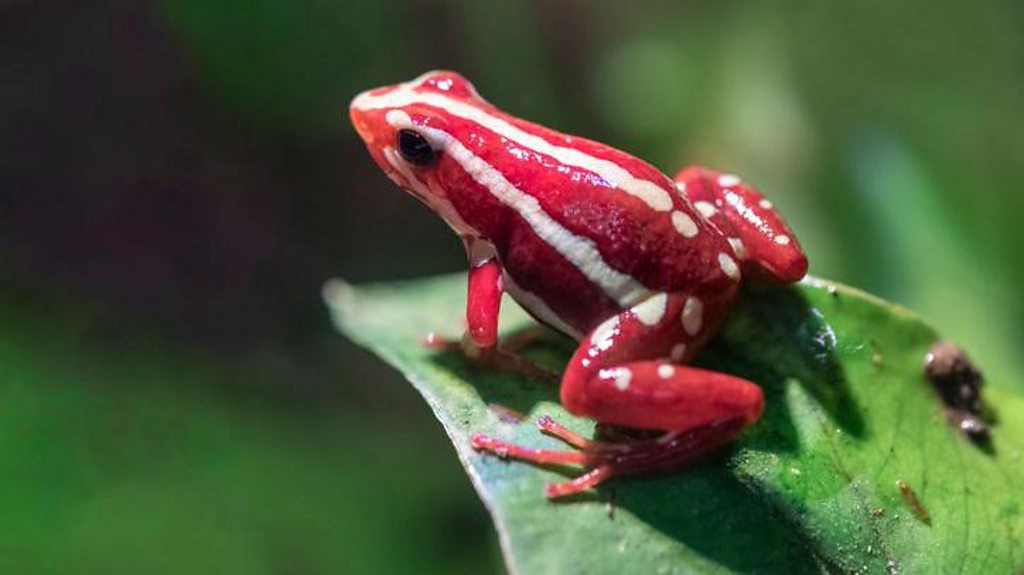
A potent neurotoxin derived from South American dart frogs has entered the spotlight of international security concerns following its alleged use in a high-profile assassination. Epibatidine, a compound approximately 200 times more powerful than morphine, is now under intense scrutiny by toxicologists and intelligence agencies. This substance can be sourced directly from the skin of poisonous frogs native to Ecuador and Colombia or synthesized in laboratory settings, creating a dual-origin challenge for detection and prevention.
The emergence of this biological agent marks a concerning evolution in covert poisoning methodologies. Unlike traditional chemical weapons, naturally-derived toxins like epibatidine offer perpetrators a complex forensic footprint that blends natural occurrence with potential human manipulation. The compound works by binding to nicotine receptors in the nervous system, potentially causing paralysis, respiratory failure, and cardiac arrest at minute doses measured in micrograms.
Toxicology experts note that weaponizing such substances requires sophisticated knowledge in both chemistry and biology, suggesting involvement of highly specialized actors. The dual availability—through natural extraction and synthetic production—creates significant obstacles for international monitoring regimes established under the Chemical Weapons Convention. This development represents a blurring of lines between biological and chemical threats, challenging existing non-proliferation frameworks and necessitating enhanced forensic capabilities within international security organizations.