GENEVA — Diplomatic delegations from Moscow and Kyiv convened in Geneva on Tuesday for a new round of U.S.-mediated peace negotiations, occurring just one week before the somber fourth anniversary of Russia’s full-scale invasion of Ukraine. Both Ukrainian President Volodymyr Zelenskyy and Russian state media confirmed their respective delegations’ arrival for the two-day talks, which were scheduled to commence later that day.
According to sources familiar with the discussions who spoke anonymously due to their sensitive nature, the negotiations were expected to involve particularly challenging conversations regarding the future status of Russian-occupied Ukrainian territories. U.S. President Donald Trump’s special envoy Steve Witkoff and senior advisor Jared Kushner were positioned to mediate between the parties as Russian officials maintained their insistence on Ukraine ceding control of the eastern Donbas region.
The agenda included detailed military discussions focusing on ceasefire monitoring mechanisms and implementation requirements, building upon previous dialogue in Abu Dhabi that explored potential demilitarized zone arrangements and military communication protocols.
Despite American diplomatic efforts aiming for a June settlement deadline, expectations for any substantive breakthrough remained decidedly low, with neither side demonstrating willingness to compromise on fundamental territorial disputes. The negotiations unfolded against a backdrop of continued violence as Ukraine’s outmanned military forces engaged in attrition warfare along the 1,250-kilometer front line while Ukrainian civilians endured relentless aerial assaults that damaged critical infrastructure and residential areas.
The central issues under discussion included the future status of approximately 20% of Ukrainian territory currently under Russian occupation or contention, alongside Kyiv’s demands for postwar security guarantees with U.S. backing to deter future Russian aggression.
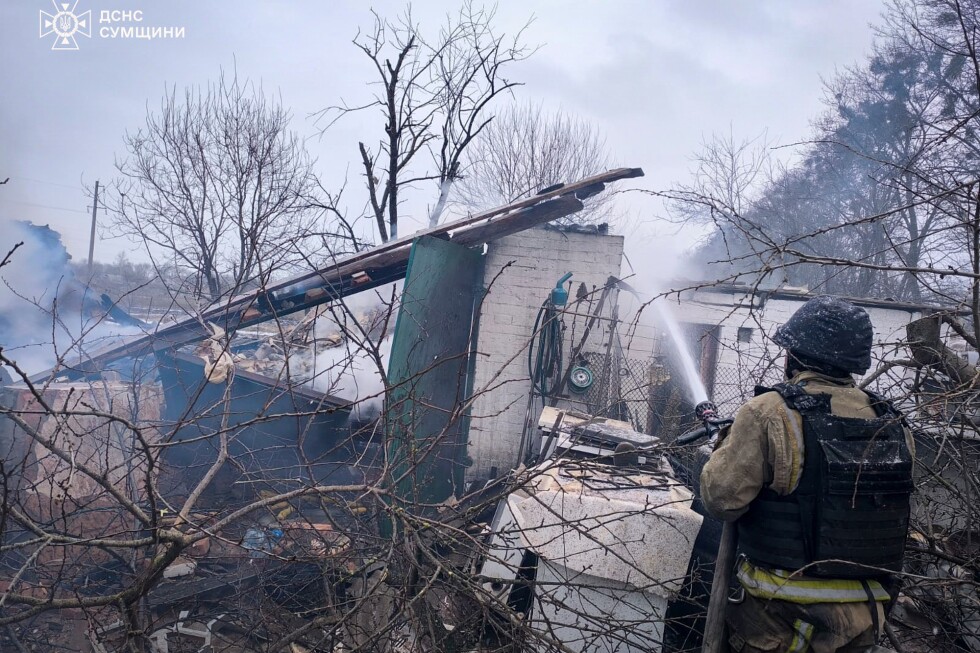
President Trump characterized the Geneva meeting as “big talks” while making ambiguous comments suggesting Ukraine should accelerate its negotiation pace. Meanwhile, Ukraine remained committed to the diplomatic process despite Moscow’s continued military actions, including an overnight assault employing nearly 400 long-range drones and 29 missiles across 12 Ukrainian regions that left nine casualties, including children, and disrupted essential services in Odesa.
Zelenskyy emphasized that Russia’s ongoing attacks complicated negotiation efforts, stating on social media that “the more this evil comes from Russia, the harder it will be for everyone to reach any agreements with them.” The Ukrainian leader noted his government had accepted “all realistic proposals from the United States,” including an unconditional long-term ceasefire framework.
High-level military representatives including Gen. Alexus Grynkewich, commander of U.S. and NATO forces in Europe, and U.S. Army Secretary Dan Driscoll participated in the talks, meeting with their Russian and Ukrainian counterparts. The Geneva discussions coincided with separate U.S. indirect talks with Iran occurring in the same city, highlighting Switzerland’s ongoing role as a neutral diplomatic venue.
Previous rounds in Abu Dhabi were characterized by participants as productive, with delegation members expressing optimism that peace could be achievable “if everyone just agrees to it.” Following those talks, the U.S. had reestablished direct military communication channels with Russia, with Gen. Grynkewich expressing hope for initiating high-level dialogue with Russian Chief of the General Staff Valery Gerasimov.