Saudi Arabia’s strategic pivot towards diversifying its defense procurement partners is generating significant friction within the Trump administration, according to current and former U.S. officials. The kingdom’s exploration of weapons agreements with nations including Turkey and Pakistan threatens to diminish America’s dominant share in the lucrative Saudi arms market, challenging Washington’s traditional monopoly.
The relationship appeared strengthened during Crown Prince Mohammed bin Salman’s November visit to the White House, where President Trump proudly announced Saudi Arabia’s commitment to purchase advanced F-35 fighter jets alongside a major strategic defense agreement. However, recent developments have revealed underlying tensions as U.S. officials seek clarification regarding Riyadh’s parallel negotiations with other regional powers.
Following diplomatic pressure from Washington, Saudi authorities provided assurances they would not proceed with acquiring Pakistan’s JF-17 fighter aircraft, despite earlier considerations to convert substantial loans to Islamabad into weapons procurement. Notably absent were similar guarantees regarding potential Saudi participation in Turkey’s next-generation Kaan fighter program, creating ongoing concern among American defense officials.
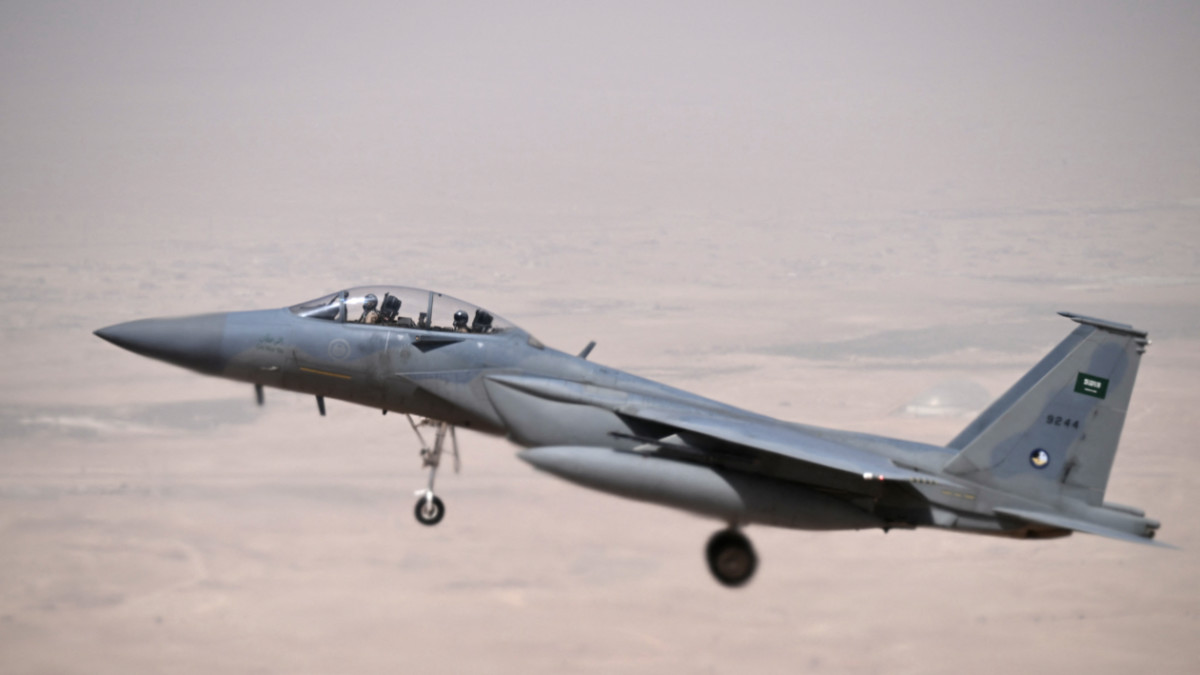
Defense analysts question the strategic rationale behind Saudi interest in the Turkish warplane, given the kingdom’s existing inventory of superior F-15s, Eurofighter Typhoons, and the anticipated F-35 acquisition. The administration’s perspective, however, focuses less on military capability and more on economic implications—viewing Saudi diversification as funds that could otherwise be directed toward additional American defense purchases.
The emerging conflict illustrates how Trump’s transaction-based diplomacy, rooted in zero-sum economic principles, encounters challenges in an increasingly multipolar Middle East. Saudi officials maintain their interest in the TAI Kaan project reflects a desire for expanded options rather than replacement of American partnerships, though U.S. officials perceive these moves as potential indicators of diminishing influence.
Complicating matters further is Israel’s traditional veto power over advanced U.S. weapons sales to Arab nations through its Qualitative Military Edge (QME) protection. Despite Trump’s public承诺 to provide Saudi Arabia with aircraft comparable to Israel’s F-35s, Netanyahu subsequently claimed Secretary of State Marco Rubio guaranteed Saudi would receive inferior versions.
Beyond bargaining tactics, Saudi Arabia’s engagement with Turkey reflects broader geopolitical realignments. Riyadh’s Vision 2030 initiative mandates that 50% of defense spending target locally produced items, an area where Turkish offers of co-production and technology transfer outpace American willingness. Simultaneously, Saudi Arabia is cultivating relationships with Pakistan, Turkey, Qatar, and Egypt while distancing itself from the UAE-Israel axis, potentially using arms purchases to strengthen this emerging bloc.
Experts suggest the F-35 deal remains vulnerable to Israeli opposition in Washington, reminiscent of the failed Emirati acquisition. While Saudi Arabia would likely accept even a downgraded version of the advanced fighter, the current negotiations with alternative suppliers provide crucial leverage and insurance against potential disappointment in the U.S. procurement process.