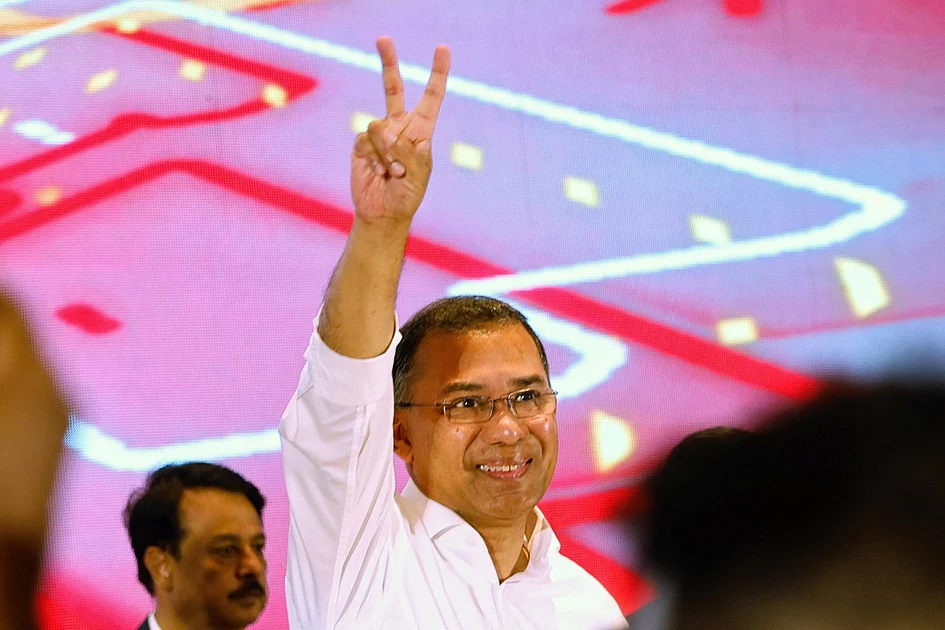
Dhaka is poised for a significant political transition as the Bangladesh Nationalist Party (BNP), under the leadership of Chairperson Tarique Rahman, prepares to form a new government following its decisive electoral victory. The swearing-in ceremony for the new cabinet is scheduled for Tuesday afternoon at the South Plaza of the National Parliament, marking a historic shift in the country’s political landscape.
In a demonstration of diplomatic outreach, Chief Adviser of the interim government Professor Muhammad Yunus has extended invitations to representatives from thirteen nations to witness the inauguration. The guest list includes China, India, Pakistan, Saudi Arabia, Türkiye, the United Arab Emirates, Qatar, Malaysia, Brunei, Sri Lanka, Nepal, the Maldives, and Bhutan, reflecting Bangladesh’s commitment to regional engagement.
The BNP’s foreign policy approach was articulated by party leader ANM Ehsanul Hoque Milan, who emphasized the principle of “friends to all, malice to none” as the guiding vision for international relations. This inclusive stance was further evidenced by the party’s appreciation for Indian Prime Minister Narendra Modi’s congratulatory message following their electoral success.
In a social media post, the BNP acknowledged Modi’s recognition of Rahman’s leadership and expressed commitment to strengthening bilateral ties with India. “We look forward to engaging constructively with India to advance our multifaceted relationship, guided by mutual respect, sensitivity to each other’s concerns, and a shared commitment to peace, stability, and prosperity in our region,” the statement read.
The February 12, 2026 general election represented a dramatic political realignment, ending the long tenure of Sheikh Hasina’s administration following mass protests in 2024. The BNP secured a commanding majority in the 300-seat parliament, well beyond the 151 seats required to form a government, with the Islamist Jamaat-e-Islami alliance emerging as the primary opposition. The electoral process, which saw approximately 59% voter participation, included a constitutional referendum on governance reforms that passed successfully.