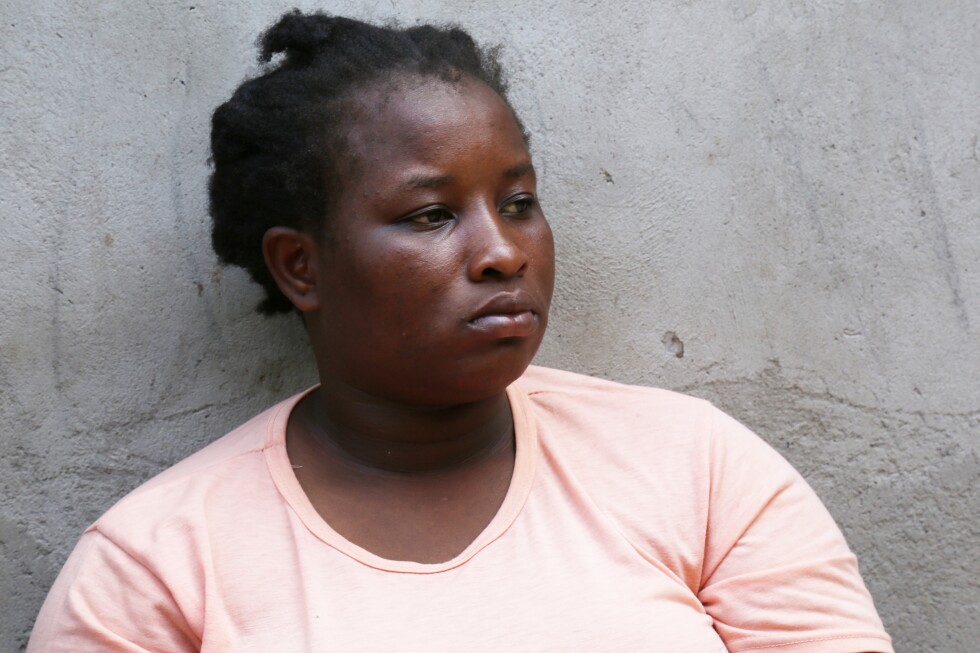
In a case highlighting Africa’s complex reproductive rights landscape, 26-year-old Violet Zulu endured a two-year prison sentence after performing a self-managed abortion under desperate circumstances. The Zambian house cleaner, earning merely $40 monthly, found herself abandoned by her partner during pregnancy and subsequently failed by multiple systems designed to protect citizens.
Zulu initially sought legal termination at a public clinic but was turned away without counseling or services. A private pharmacy quoted her 800 Zambian kwacha ($43)—equivalent to her entire monthly salary—for abortion medication. Already struggling to feed her two young sons and occasionally relying on relatives for food, Zulu consumed an herbal concoction known to terminate pregnancies, prioritizing her existing children’s survival over expanding her family.
Her subsequent admission of delivering the fetus in a toilet and disposing of it led to criminal charges. Without legal representation—despite Zambia guaranteeing this right—and with only eighth-grade education, Zulu pleaded guilty without understanding the legal consequences, expecting merely a warning. Instead, she received a seven-year maximum-security prison sentence, separated from her children for nearly two years.
International reproductive rights organizations including the Center for Reproductive Rights eventually intervened, facilitating her appeal and release. Legal experts note Zulu qualified for free abortion under Zambia’s provisions allowing doctors to consider risks to existing children’s wellbeing—information she never received due to widespread stigma and lack of public health education.
Zambia presents a constitutional paradox: while permitting abortion under one of Africa’s more progressive laws, it simultaneously identifies as a strongly Christian nation. This contradiction creates practical barriers where legal procedures become ‘paper laws’ rather than accessible services. Health rights organizations estimate approximately 75% of African abortions are unsafe, with over 6 million occurring annually in sub-Saharan Africa under dangerous conditions.
Even in South Africa—with the continent’s most progressive abortion laws—studies show only 7% of public health facilities actually provide services. A 2023 case involving a 14-year-old denied valid abortions underscored how medical professionals sometimes undermine legal rights.
Zulu’s case has sparked calls for national dialogue about implementing Zambia’s reproductive laws more effectively. As activists emphasize, her story represents countless African women making desperate choices when legal systems fail them, revealing the urgent need for both legal reform and practical accessibility in reproductive healthcare.