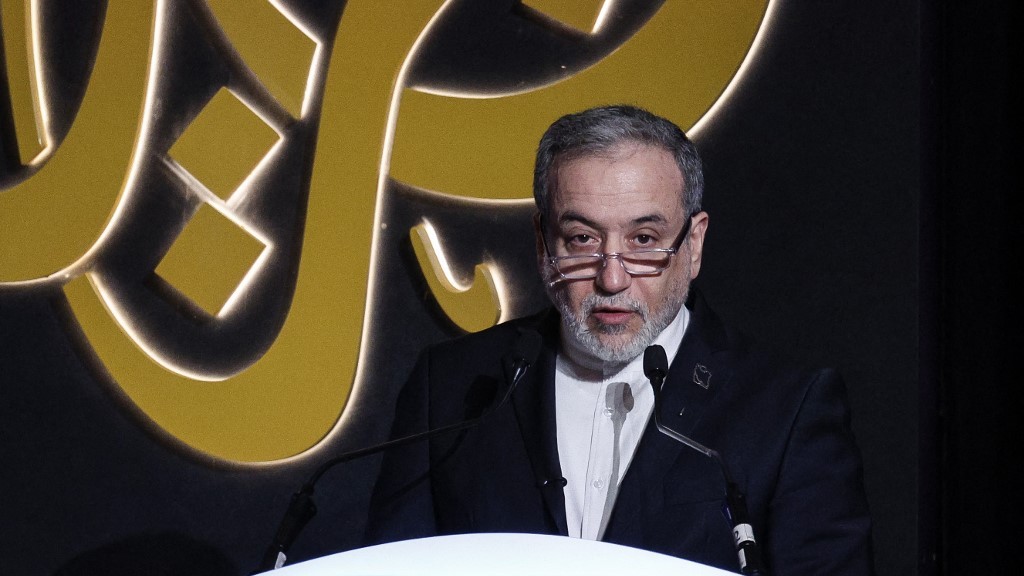
Iran’s Foreign Minister Abbas Araghchi has launched a scathing critique against European powers participating in the Munich Security Conference, characterizing the prestigious gathering as having degenerated into the “Munich Circus” regarding Iranian affairs. Through his official social media channel on platform X, the diplomat articulated profound dissatisfaction with what he termed as Europe’s ineffective regional strategies and diminishing clout in critical negotiations concerning Tehran’s nuclear program.
Araghchi emphasized the conspicuous absence of European influence, noting that the European Union and the E3 coalition (France, Germany, and the UK) now demonstrate evident “paralysis and loss of influence” in ongoing diplomatic talks. He contrasted this perceived European inadequacy by praising regional allies as “far more effective and useful than the European troika, which stands on the sidelines.” The minister specifically singled out Germany, accusing Berlin of having “fully handed over its regional policies to Israel.”
The timing of these remarks coincided with the commencement of the 62nd Munich Security Conference, a high-profile event attracting over 60 heads of state and government alongside approximately 100 foreign and defense ministers. Notably absent from the conference were Iranian officials, who face exclusion from participation.
Simultaneously, Reza Pahlavi, son of Iran’s former monarch residing in the United States since the 1979 revolution, utilized the conference sidelines to advocate for U.S. military intervention to accelerate political transformation within Iran. Pahlavi cautioned Washington against protracted nuclear negotiations with Tehran, asserting that external pressure could catalyze public demonstrations leading to the regime’s ultimate downfall.
These developments underscore the profound schism between Iran’s current leadership and exiled opposition factions regarding the nation’s future trajectory. The opposition remains fragmented among competing ideological groups, including monarchists aligned with Pahlavi, maintaining limited organized presence within the Islamic Republic despite their aspirations for regime change.