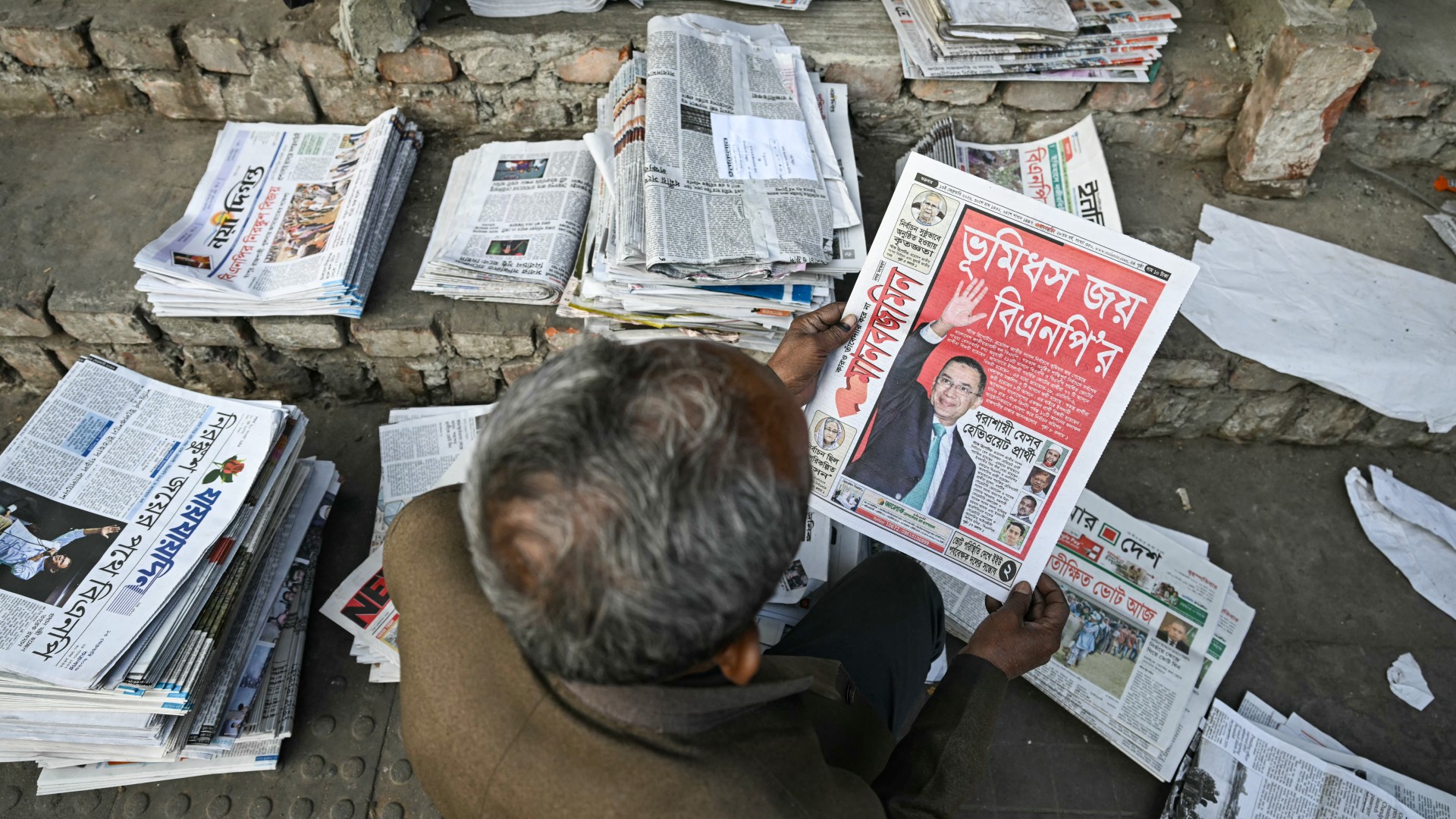
Bangladesh has witnessed a profound political transformation with the Bangladesh Nationalist Party (BNP) achieving a decisive victory in the nation’s 13th parliamentary elections held on February 12, 2026. This electoral outcome, widely regarded as the first genuinely competitive and broadly accepted national vote in nearly two decades, marks a significant departure from the country’s recent political history.
The BNP and its allied parties secured an overwhelming 212 seats in the 300-member Jatiya Sangsad, comfortably surpassing the 151-seat threshold required to form government. This resounding mandate positions BNP Chairman Tarique Rahman to assume the role of prime minister following his return from a 17-year exile in the United Kingdom.
The electoral process unfolded against the backdrop of the 2024 student-led uprising that precipitated the ouster of former Prime Minister Sheikh Hasina and established an interim administration under Nobel laureate Muhammad Yunus. The Awami League, Hasina’s political party, was constitutionally barred from contesting the election following investigations into allegations of electoral manipulation, abuse of state power, and human rights violations during its final years in governance.
In a remarkable political development, Jamaat-e-Islami (JI) emerged as the second-largest parliamentary bloc with its allies securing 77 seats—the strongest showing in the Islamist party’s history. This significant gain reflects the shifting political landscape and the increased influence of religious-conservative elements in Bangladeshi politics.
The election also featured a constitutional referendum package comprising 84 proposed reforms, which received approval from 48 million voters against 22.5 million rejections. This outcome provides the incoming government with a substantial mandate for structural changes, though concerns remain regarding the bundled nature of the proposals that limited detailed public deliberation.
Critical challenges confront the new administration, including addressing women’s severe underrepresentation in parliament—with only seven female members elected—and navigating the complex expectations of reform-minded constituents who participated in the 2024 uprising. Political economist Anu Muhammad cautioned that while a parliamentary supermajority creates reform opportunities, it also presents temptations toward power centralization and marginalization of dissent.
The election represents both a restoration of competitive politics and the institutionalization of a rightward political current that has gained momentum since the 2024 upheaval. As Bangladesh enters this new political chapter, the electorate awaits whether the victorious party will honor its democratic mandate through inclusive governance and substantive reform.