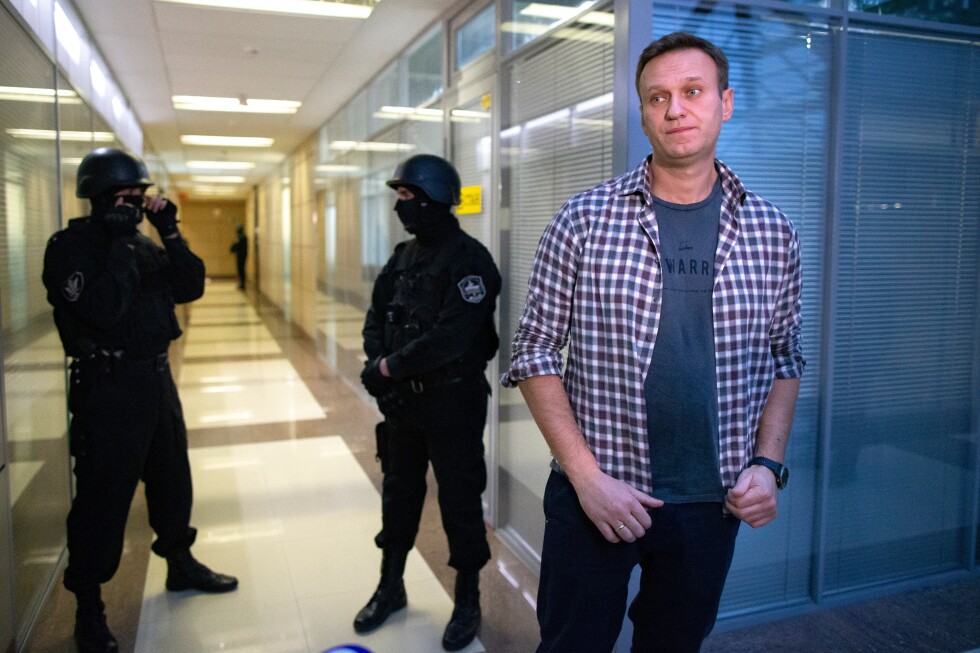
In a significant diplomatic escalation, five major European nations have formally accused the Russian state of poisoning opposition leader Alexei Navalny with a lethal biological toxin prior to his death in 2024. The coordinated announcement from the foreign ministries of the United Kingdom, France, Germany, Sweden, and the Netherlands revealed that laboratory analysis of biological samples from Navalny conclusively identified epibatidine—an extremely rare neurotoxin derived from South American poison dart frogs.
The joint statement asserted that only the Russian state possessed the “combined means, motive and disregard for international law” required to execute such an attack. This finding substantiates long-standing allegations from Navalny’s widow, Yulia Navalnaya, who previously disclosed that two independent laboratories had detected poison in her husband’s system shortly before his death in an Arctic penal colony.
In response to these verified findings, the European coalition is initiating formal proceedings against Russia through the Organization for the Prohibition of Chemical Weapons (OPCW), citing a clear violation of the Chemical Weapons Convention. The international treaty, which Russia has ratified, explicitly prohibits the development, stockpiling, and use of chemical weapons.
Navalny, who served as Vladimir Putin’s most prominent political opponent, perished in February 2024 while serving a 19-year sentence that global human rights organizations deemed politically motivated. His legacy includes extensive anti-corruption activism and mobilization of mass protests against Kremlin policies. Russian officials have consistently denied involvement in Navalny’s poisoning and subsequent death, dismissing allegations as politically motivated fabrications.