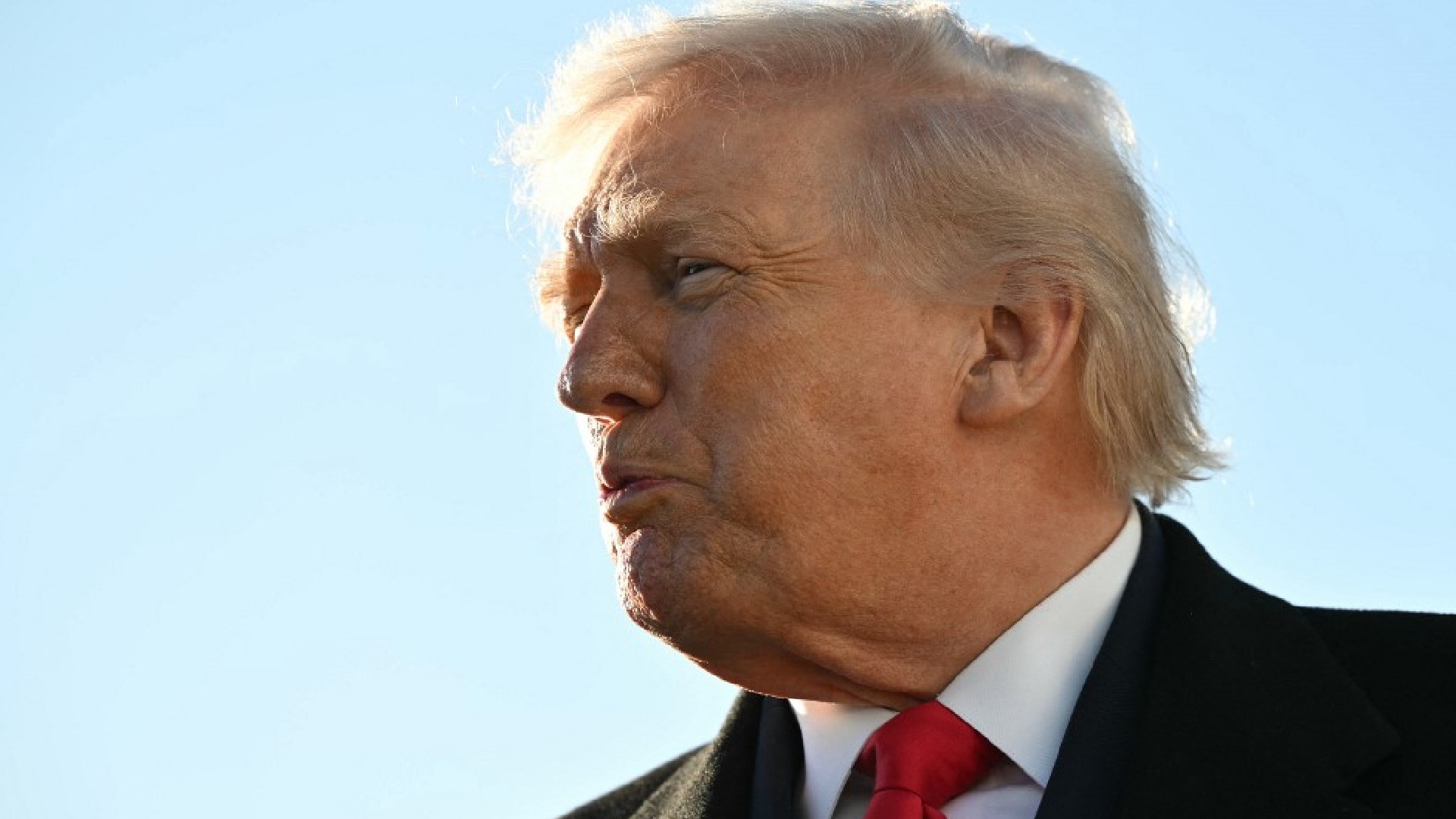
At the Munich Security Conference, European leaders launched pointed criticism against U.S. President Donald Trump’s newly established ‘Board of Peace,’ accusing it of deliberately circumventing its original United Nations mandate. EU High Representative for Foreign Affairs Kaja Kallas led the charge, characterizing the initiative as a personal vehicle for Trump that significantly deviates from its intended purpose.
The Board, unveiled last month at the World Economic Forum, boasts membership from nearly all major Middle Eastern nations, including Qatar, the UAE, Saudi Arabia, and Turkey, with additional members such as Pakistan, Armenia, Azerbaijan, and Indonesia. Its charter grants President Trump extensive authority as chair, including the power to unilaterally appoint and remove member states—a decision reversible only by a two-thirds majority.
Kallas emphasized that while a UN Security Council resolution explicitly mandated the body to manage Gaza’s post-war governance and reconstruction, Trump’s version makes no reference to Gaza, the UN, or provisions for Palestinian representation. She noted the original resolution intended the board to be ‘limited in time,’ a stipulation absent from the current statute.
Spain’s Foreign Minister, Jose Manuel Albares, echoed these concerns, highlighting Europe’s exclusion from the initiative despite being a principal funder of the Palestinian Authority. U.S. Democratic Senator Chris Murphy joined the critique, labeling the effort ‘rushed’ and part of Trump’s ‘consistent campaign to alienate our friends in Europe.’ Murphy accused the president of prioritizing media headlines over substantive action, particularly in leveraging U.S. influence to facilitate aid entry, reconstruction, and self-governance in Gaza.
In defense, U.S. Secretary of State Marco Rubio argued that the UN had ‘played virtually no role’ in resolving the Gaza conflict, though he acknowledged the organization’s potential as a future tool for global good. Meanwhile, Trump-appointed Gaza representative Nickolay Mladenov urged rapid action, warning that failure to move quickly could lead to a ‘second phase of the war’ rather than implementing the next ceasefire phase.
The discussions occur just days before the Board’s inaugural meeting scheduled for February 19th in Washington, D.C., where Trump is expected to announce a multi-billion-dollar Gaza reconstruction plan and details of a UN-mandated stabilization force. Reports indicate approximately 20 countries, including several heads of state, will attend. Indonesia has already signaled preparedness to deploy up to 8,000 troops under the peace plan.
These diplomatic tensions unfold against a backdrop of continued violence; near-daily Israeli strikes have killed nearly 600 Palestinians since October, violating the fragile ceasefire. The Gaza Strip remains divided by a ‘Yellow Line,’ with Israel occupying 53% of the enclave, while a full blockade persists despite the nominal ceasefire agreement.