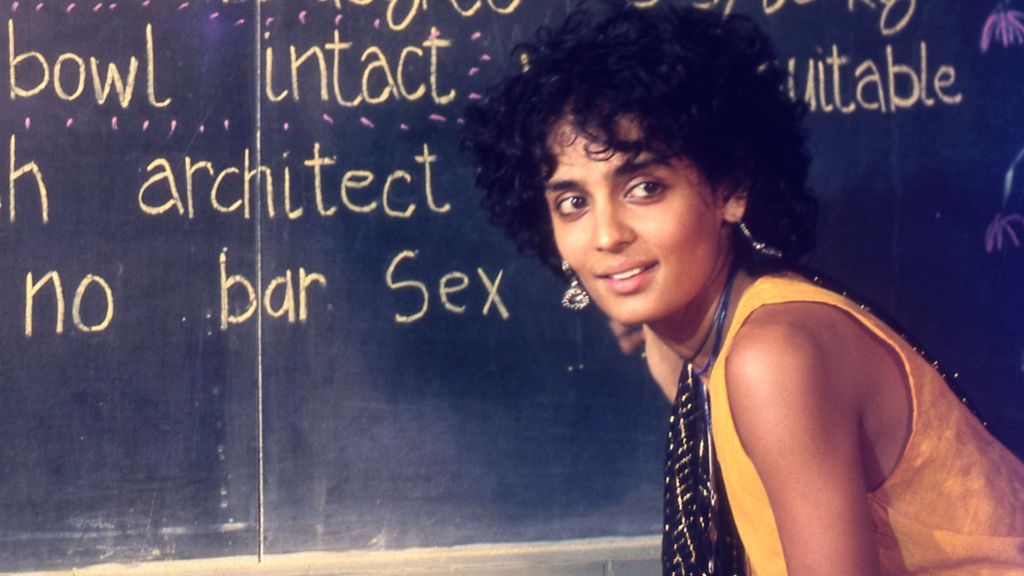
A landmark piece of Indian cinema history is poised for a remarkable renaissance as the restored version of Arundhati Roy’s 1989 television film “In Which Annie Gives It Those Ones” prepares for its world premiere at the 2026 Berlin International Film Festival’s Berlinale Classics section. Nearly four decades after its initial broadcast on India’s state broadcaster Doordarshan, this cult classic capturing the anarchic spirit of Delhi’s architecture students will finally receive global recognition.
The Film Heritage Foundation, spearheading the restoration initiative, has announced concurrent theatrical releases across India in March 2026, with strategically discounted ticket pricing aimed at attracting younger audiences. Shivendra Singh Dungarpur, filmmaker and Director at Film Heritage Foundation, emphasized the film’s enduring significance: “We wanted it to be accessible. In its dialogue, portrayal of college life, and character development, it achieved something truly unusual for its time.”
Set against the backdrop of late-1980s Delhi, the film presents an unvarnished portrait of final-year architecture students navigating institutional absurdities and personal aspirations. Centered around the endearing fifth-year student Anand “Annie” Grover—a character suspended between idealism and chronic distraction—the narrative unfolds through witty dialogue and situational comedy derived from Roy’s own campus experiences at the School of Planning and Architecture.
The production boasts historical significance as both Roy’s screenwriting debut and the first screen appearance of Bollywood megastar Shah Rukh Khan. Roy herself appears as Radha, a sharp-witted student embodying the film’s carefree defiance against authority. The ensemble cast delivers authentic performances that capture the specific dialect of English-Hindi hybrid language spoken among Delhi’s student population at the time.
What makes Annie particularly remarkable is its prescient examination of systemic issues that remain relevant decades later. The film’s debates about hierarchy, bureaucracy, and institutional power mirror India’s transition toward economic liberalization, capturing a generation’s simultaneous optimism and apprehension about their future. Dungarpur notes: “The issues the film speaks about are still prevalent. That’s why it resonates. It hasn’t dated in the way you might expect.”
The restoration process itself involved forensic-level reconstruction after the original materials were nearly discarded during a house move by director Pradip Krishen. The team faced significant technical challenges, from color correction (particularly in scenes featuring Roy’s red sari) to audio restoration, requiring meticulous attention to historical accuracy.
As contemporary audiences prepare to experience this cinematic time capsule, they’ll discover not just a period piece with flared trousers and drafting tables, but a surprisingly relevant commentary on educational systems and youthful resistance that continues to echo across generations.