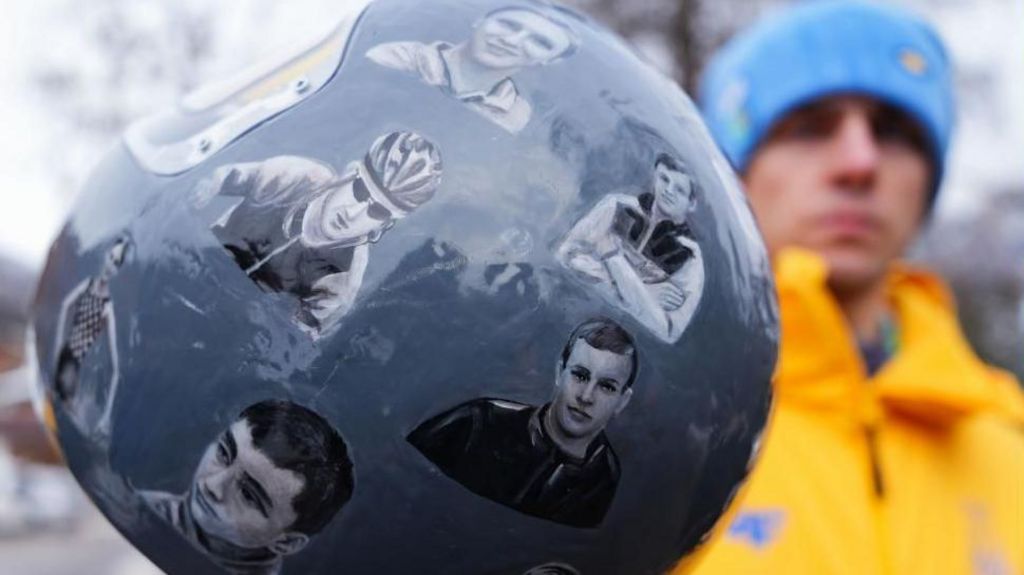
The International Olympic Committee has disqualified Ukrainian skeleton racer Vladyslav Heraskevych from the Winter Games following his refusal to cease wearing a specially designed ‘helmet of remembrance’ honoring fallen Ukrainian athletes. The controversial decision, upheld after a failed appeal on Friday, has ignited the most significant dispute of the Milan-Cortina Olympics.
Heraskevych’s helmet features more than twenty Ukrainian sports figures who have perished since Russia’s full-scale invasion, including teenage weightlifter Alina Peregudova, boxer Pavlo Ishchenko, and ice hockey player Oleksiy Loginov – some of whom the athlete personally knew. The memorial headgear has become a symbol of athletic sacrifice and national tragedy.
Among those memorialized is decathlete Andriy Androschuk, who abandoned his Olympic aspirations to volunteer for military service before perishing in Bakhmut at age 22. The helmet also honors 17-year-old kickboxing champion Karyna Bakhur, killed by Russian shelling in Kharkiv just weeks before her eighteenth birthday.
The collection of fallen athletes spans multiple disciplines and age groups, from 9-year-old judo enthusiast Ivashko to 31-year-old shooting champion Khabarov. Each represents a life cut short by conflict, their athletic promise extinguished by war. The memorial includes dancers, strongmen, fencers, and cyclists – all who either joined the defense effort or became casualties of attacks on civilian areas.
The IOC’s decision has raised questions about the boundaries between athletic representation and political expression at the Games. Heraskevych maintains that the helmet serves as a tribute to lost colleagues rather than a political statement, arguing that remembering fallen athletes should fall within Olympic values of respect and remembrance.
Ukrainian sports organizations have expressed outrage at the disqualification, noting that many international competitions have previously allowed similar memorial tributes. The controversy continues to develop as athletes and officials debate the appropriate balance between Olympic neutrality and humanitarian recognition.